

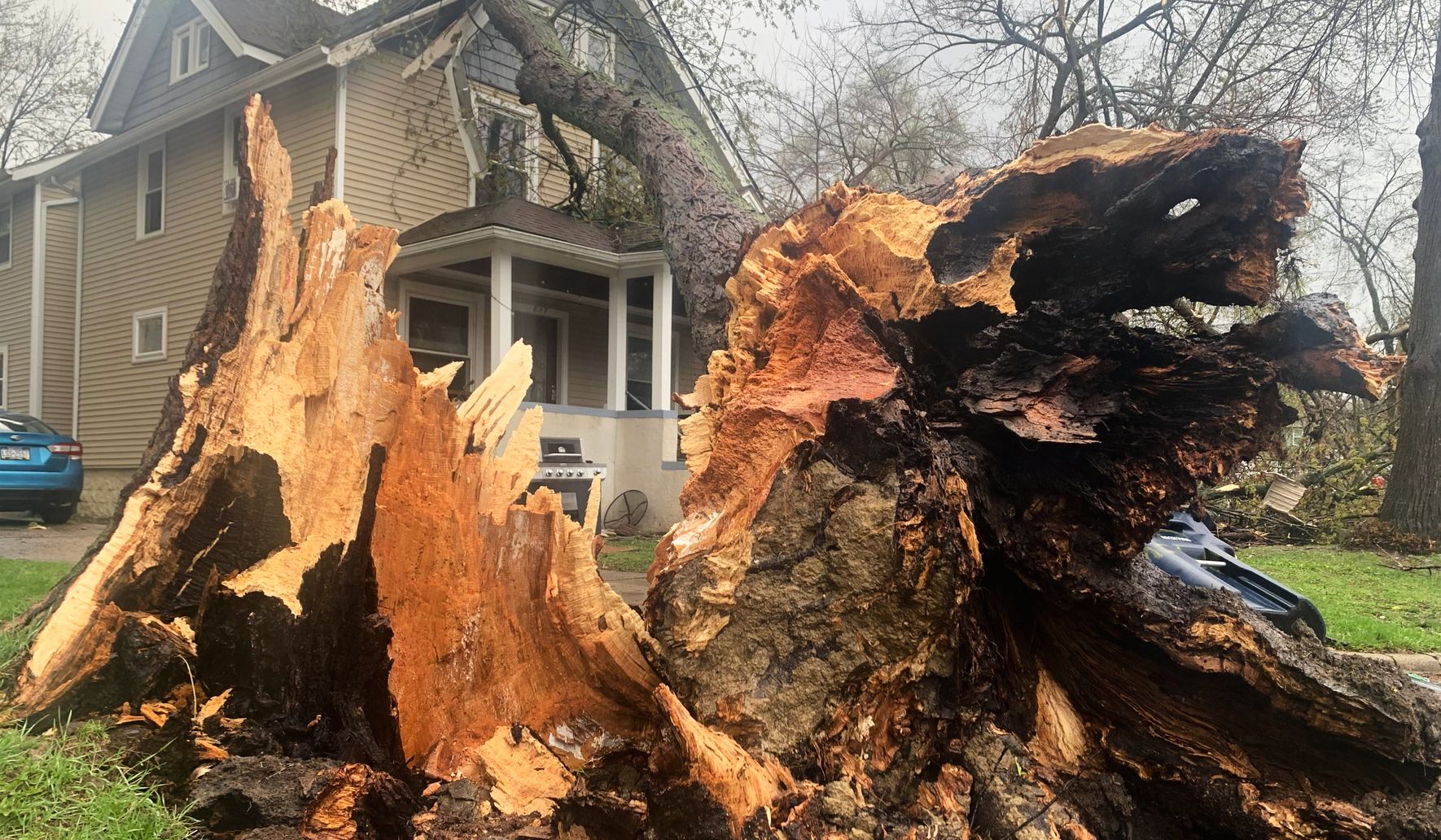
Powerful overnight storms swept across parts of Michigan from Tuesday into Wednesday morning, leaving damage in their wake, including two ice arenas and dozens of uprooted trees near the University of Michigan’s main campus.
Storms raced through neighborhoods late Tuesday and into early Wednesday, driven by strong winds and heavy rain. The weather left visible damage on facilities and green spaces close to the university, forcing immediate safety checks and work to clear hazards. Local residents woke to overturned branches, scattered debris, and the sudden silence that follows power interruptions.
Two ice arenas reported structural and interior damage after the overnight event, displacing scheduled practices and community programs. Team managers and facility staff had to scramble to secure equipment and assess whether refrigeration and dasher boards were compromised. Officials said the priority is making the spaces safe before anyone returns to train or attend public events.
Uprooted trees near the University of Michigan’s main campus created dangerous scenes on sidewalks and roadways, and blocked some local routes for a time. Crews from the city and campus facilities moved quickly to chain-saw and haul away fallen trunks, focusing first on high-traffic areas and spots near buildings. The wooded areas that give the campus its character were hit in surprising places, leaving raw, exposed roots and torn turf.
City public works and utility teams were on the ground at first light to restore normalcy, trimming limbs and repairing downed lines where it was safe to do so. Work prioritized ensuring that emergency access routes were clear and that any potential electrical hazards were contained. Residents received advisories urging caution around unstable trees and advising people to report new hazards rather than attempt cleanup themselves.
For students and faculty, the disruption translated into canceled sleds of activities and immediate changes to daily routines as campus services evaluated the damage. Athletic programs notified participants about practice changes and facility closures until inspections finish. While many classes continued, outdoor walkways were rerouted and crews posted signage to keep pedestrians away from affected zones.
Local volunteers and neighborhood groups also pitched in, helping elderly residents and homeowners who faced heavy cleanup tasks after the storm. That community effort sped the removal of smaller branches and brought needed help to people without the right equipment. The combined push from city staff and neighbors shortened the time major walkways remained obstructed, though cleanup work will continue into the week.
Meteorologists tracking the system pointed to a fast-moving line of storms that produced the damaging winds and intense rainfall, a pattern that can lead to sudden tree failures when soil is already saturated. Officials urged property owners to inspect trees for loosened roots and limbs before using garden tools or ladders near damaged trunks. The guidance also reminded people to avoid standing under trees until professionals declare areas safe.
Insurance adjusters and facility managers began preliminary assessments of the arenas and other structures to catalog damage and begin claims processes. That work will determine whether repairs are handled locally or require contractors with specialized equipment, especially where refrigeration and structural repairs overlap. In the meantime, community groups are working to find alternate locations for displaced programs and youth sports so those activities can resume with minimal interruption.
As crews continue to clear streets and restore services, officials emphasized patience and personal safety over speed. They advised residents to keep emergency kits and have a plan for temporary relocation if needed, especially for those in buildings adjacent to damaged trees or with compromised utilities. The clean-up and recovery phase will show how quickly routines return to normal and what long-term repairs the affected facilities will need.

