

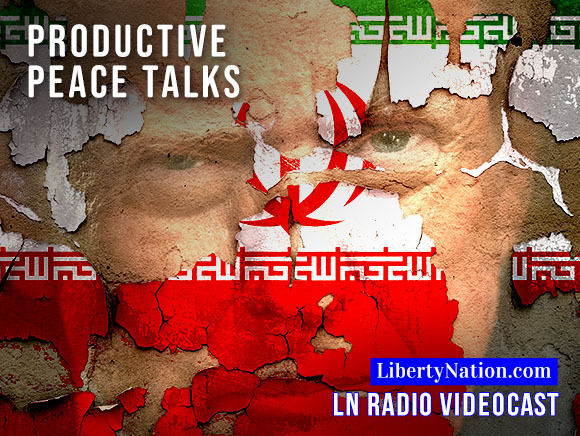
The president paused plans to strike Iran’s energy facilities while the region grapples with the strategic shifts tied to “Trump’s New World Order.”
The White House recently chose restraint over immediate military strikes on Iran’s energy infrastructure, a move that has stirred debate among allies and critics alike. That decision comes as Iran faces growing pressure from policies associated with “Trump’s New World Order,” which have reshaped sanctions, alliances, and strategic priorities. The pause raises questions about deterrence, credibility, and the balance between force and economic measures.
For Republicans, the hesitation looks like a missed chance to hit hard where it hurts most: Iran’s oil and gas lifelines. Energy facilities are vulnerable nodes that can be targeted to disrupt funding and influence without an open ground war. Striking those assets sends a clear, measurable message that soft power and sanctions alone may not achieve.
At the same time, military action carries real risks, including escalation with Iranian proxies across the region. Tehran has a history of asymmetric responses that can threaten shipping lanes, regional partners, and U.S. forces. Calculating those costs is a valid part of any decision, but delay also risks eroding deterrence if adversaries sense hesitation as weakness.
Sanctions under the banner of “Trump’s New World Order” have squeezed Tehran’s economy and limited its options, but they have not fully neutralized Iran’s reach. Republicans argue that a combined approach—economic pressure backed by credible military options—was the strategic intent of recent policy shifts. If the threat of force is not credible, sanctions lose leverage and Iran gains bargaining room.
Energy strikes would not be symbolic; they would directly hit the regime’s revenue streams and its ability to fund proxy activities. That is a calculated move to reduce Tehran’s capacity for malign behavior without an occupation. Critics claim such strikes could harm civilians or disrupt global markets, but surgical operations focused on key installations are designed to minimize collateral damage.
Global energy markets watch these choices closely, and volatility follows even the talk of strikes. Republican analysts point out that the unpredictability of foreign policy under a hesitant administration raises insurance costs for shippers and traders. A firm, consistent posture tends to calm markets by setting clearer expectations about risks and responses.
Allies in the region, particularly Israel and Gulf partners, look to Washington for reassurance and coordination. They have been pushing for a posture that combines strong deterrence with robust intelligence sharing. The pause in strikes has produced unease among those partners who face Iran’s proxies on a daily basis and who want to see American muscle back up policy rhetoric.
Domestic politics factor into the calculus as well. The administration’s reluctance to act decisively can be framed as prudence by some and as timidity by others. From a Republican perspective, showing resolve against Iran can be a unifying stance that appeals to national security priorities and to voters concerned about American strength overseas.
Operationally, targeting energy infrastructure requires precise intelligence and timing. Military planners need to ensure that strikes degrade capabilities while limiting unintended consequences. Republican critics argue that such planning should go hand in hand with a willingness to execute when strategic conditions demand it, not be sidelined by political caution.
The strategic picture also includes non-military tools: cutting off revenue streams, targeting procurement networks, and supporting regional partners’ defenses. “Trump’s New World Order” emphasized these instruments as part of a broader reorientation away from open-ended nation building. Maintaining a credible military option alongside those tools preserves pressure and keeps Iran guessing.
Public messaging matters. If the administration signals resolve privately but projects indecision publicly, adversaries can exploit the gap. Republicans favor straightforward language that clarifies red lines and consequences. That kind of clarity strengthens deterrence and reduces the chance of miscalculation by hostile actors.
Ultimately, the choice to delay strikes is a policy decision with both tactical and strategic ripple effects. Republicans want to see a strategy that combines maximum economic pressure with unmistakable military credibility. If deterrence is the goal, policy must be backed by actions that convince Tehran its costs for aggression will be immediate and severe.
Regardless of the next steps, Iran is watching every move closely while recalibrating to the realities of the post-2010s strategic landscape shaped in part by “Trump’s New World Order.” The question for policymakers is whether restraint now strengthens a long-term plan or merely invites further provocation. The answer will shape regional stability and America’s standing for years to come.

