

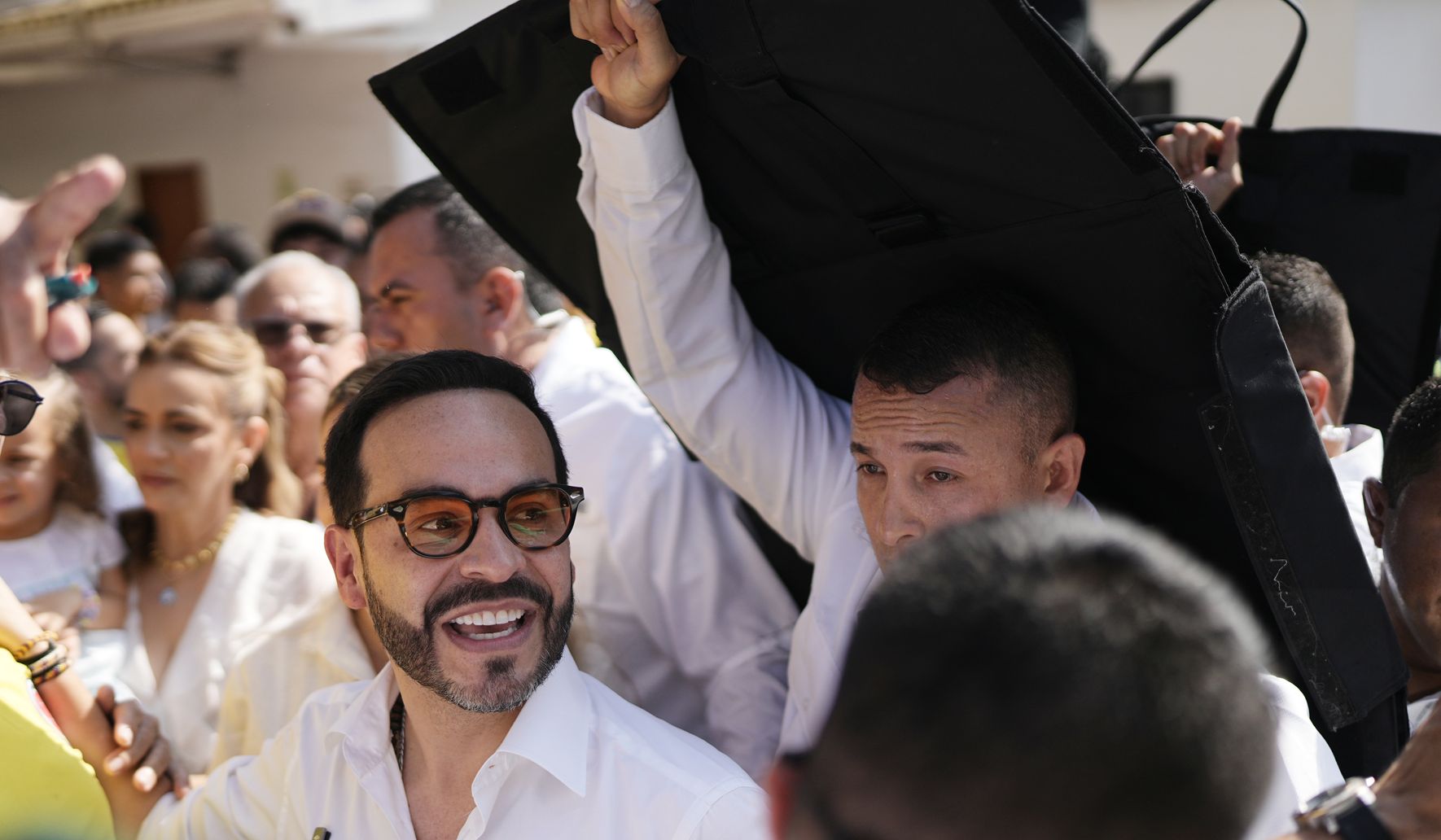
A bombastic, pro-Trump lawyer, Aberaldo de la Espriella, surged to the front in Colombia’s presidential race after the first-round vote, riding a wave of conservative energy and outsider appeal that rattled traditional parties and shifted the conversation toward law-and-order, anti-corruption, and business-friendly promises.
Aberaldo de la Espriella’s unexpected climb in the first round surprised many observers who had written off outsiders. He ran with a loud, unapologetic style that cut through partisan noise and appealed to voters tired of old elites. That blunt, confrontational approach helped him consolidate a broad conservative base across urban and rural areas.
His campaign leaned into familiar Republican themes: tough stances on crime, stronger border control, and a promise to clean up corruption in Bogotá. Voters who prioritize security and economic stability responded, seeing in him someone willing to challenge entrenched interests. Supporters praised his legal background and courtroom swagger as tools for shaking up a sluggish system.
De la Espriella’s alignment with pro-Trump rhetoric gave him a clear identity at a moment when many Colombians want decisive leadership. That posture attracted voters who admire America’s recent conservative energy and want similar assertive governance at home. For those frustrated with center-left policies, his candidacy offered a sharp contrast and immediate clarity about priorities.
The first-round showing exposed weakness in Colombia’s traditional parties, which struggled to present a coherent alternative. Fragmented opposition allowed a confident outsider to gather momentum without needing to convert moderates right away. As a result, the contest shifted from policy debates to a referendum on who represents change versus the status quo.
Economic messaging also played a key role in his rise, with promises to cut red tape, boost private investment, and support small business owners. Business-minded voters and entrepreneurs warmed to a platform that emphasized growth, deregulation, and shaking up bloated bureaucracies. That economic pitch, combined with tough law-and-order promises, created a package that felt decisive and market-friendly.
Critics warned that theater and bravado could mask thin policy specifics, but his backers said bluntness is part of the appeal. They argued voters want results, not careful technocratic language that often means business as usual. Whether that energy holds through a run-off will depend on his ability to translate rhetoric into a clear governing plan.
International eyes watched closely as Colombia’s election signaled a possible rightward shift in the region. Some diplomats and investors are already recalibrating expectations about trade, security cooperation, and bilateral ties. A de la Espriella presidency would likely pursue firmer stances on crime and border enforcement while seeking closer alignment with like-minded conservative governments.
Campaign dynamics will now shift toward coalition-building and turnout math, as the second round typically forces alliances and clearer contrasts. De la Espriella must broaden his appeal beyond hardcore supporters to win a nationwide majority, and rival parties will scramble to form a unified front. The coming weeks will test whether his momentum can survive tough scrutiny and a coordinated opposition.
For voters, this moment is a decision point about direction and style of governance. The choice is between an outsider promising disruptive change and established figures offering steady, familiar governance. Colombia’s first round made one thing clear: the appetite for bold, confrontational leadership is real, and it reshaped a race that once seemed predictable.

