

This article lays out how rising hostility from the American left toward Israel has become more explicit, why that shift matters for U.S. foreign policy, and what the political and cultural consequences are for a country that has long been an ally.
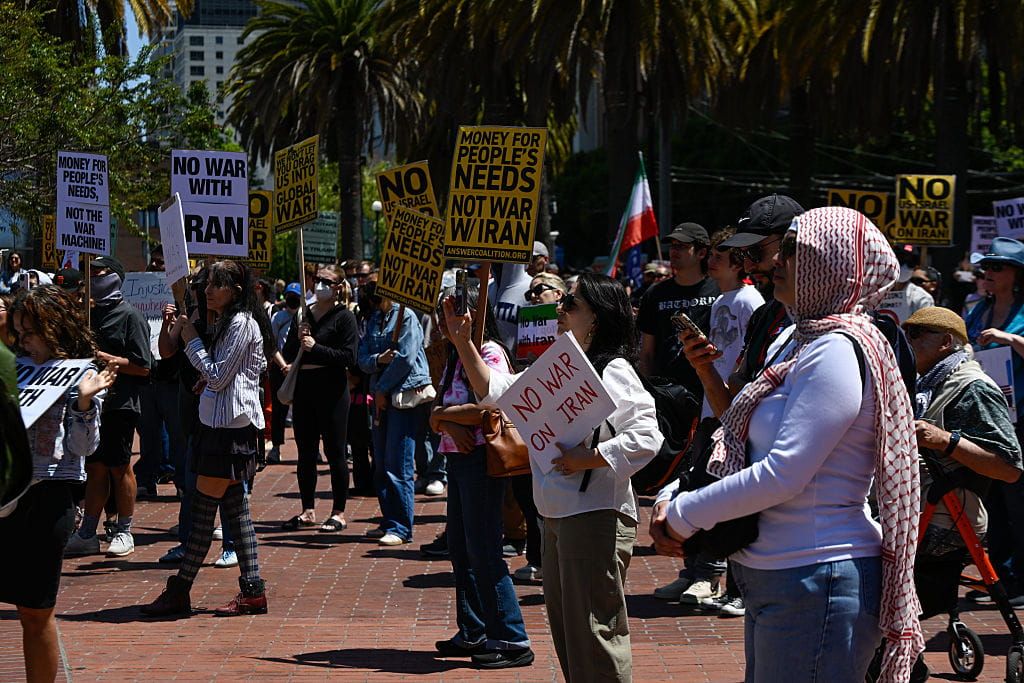
Political currents that once tolerated steady support for Israel are breaking against a new tide of progressive and socialist activism, and the shift is loud and public. The change is visible in campus protests, activist campaigns, and a growing number of elected officials who couch criticism of Israeli policy as unconditional opposition to the alliance. That trend has real implications beyond rhetoric.
“Progressives and socialists are now on record calling for an end to support for our longtime ally.” Those words capture the bluntness of the moment: no longer is critique limited to policy specifics, but increasingly aimed at severing a strategic relationship. For conservatives, that is not merely a policy disagreement; it feels like a wholesale rejection of a critical partner in a dangerous region.
On campuses, student movements have amplified calls to defund or delegitimize Israel, turning what used to be policy debate into moral absolutes. These campaigns deploy emotional imagery and slogans to push institutions and municipalities toward symbolic votes and divestment efforts. The strategy is effective at generating headlines and pressuring institutions, even when it leaves complex security realities unaddressed.
In the political arena, some progressive lawmakers and local officials have embraced positions that once would have been fringe, trading cautious criticism for full-throated opposition. That shift changes the baseline of acceptable foreign policy debate and reshapes party identity on national security issues. Voters who prioritize stability and reliable alliances see this as a dangerous realignment.
From a conservative perspective, the left’s posture risks weakening American leverage in the Middle East and empowering adversaries who do not share democratic values. Israel sits next to regimes and militias that threaten regional stability, and U.S. credibility depends on consistent partnerships. Abandoning or wavering on that support hands tactical advantage to actors like Iran and its proxies.
The cultural component matters too: the debate about Israel is increasingly wrapped up with identity politics, guilt-driven narratives, and an intolerance for dissenting views. That climate stifles honest discussion and punishes nuance, driving mainstream opinion further apart. When disagreement is framed as betrayal, reasonable policy trade-offs become politically toxic.
Practical consequences flow from this rhetoric. Military cooperation, intelligence sharing, and diplomatic coordination are harder to sustain when public backing is uncertain. Congressional funding and arms cooperation are not abstract; they are the tools that maintain deterrence and protect American forces. Eroding support for those tools risks long-term strategic costs.
There is also a domestic electoral angle. Republican voters and many swing voters view steadfast support for Israel as part of a broader commitment to American leadership and security. When the left pivots toward positions that signal withdrawal, it creates a clear contrast that reshapes campaign messages and policy priorities. That contrast fuels debates about what kind of global role the United States should play.
Finally, this moment forces a choice: treat America’s relationship with Israel as a transactional issue tied to particular policies, or defend it as a strategic and moral partnership that transcends short-term disputes. The direction of that choice will influence not just foreign policy, but the kind of America the next generation inherits—one that either stands with allies under pressure or redefines alliances based on shifting domestic fashions.

