

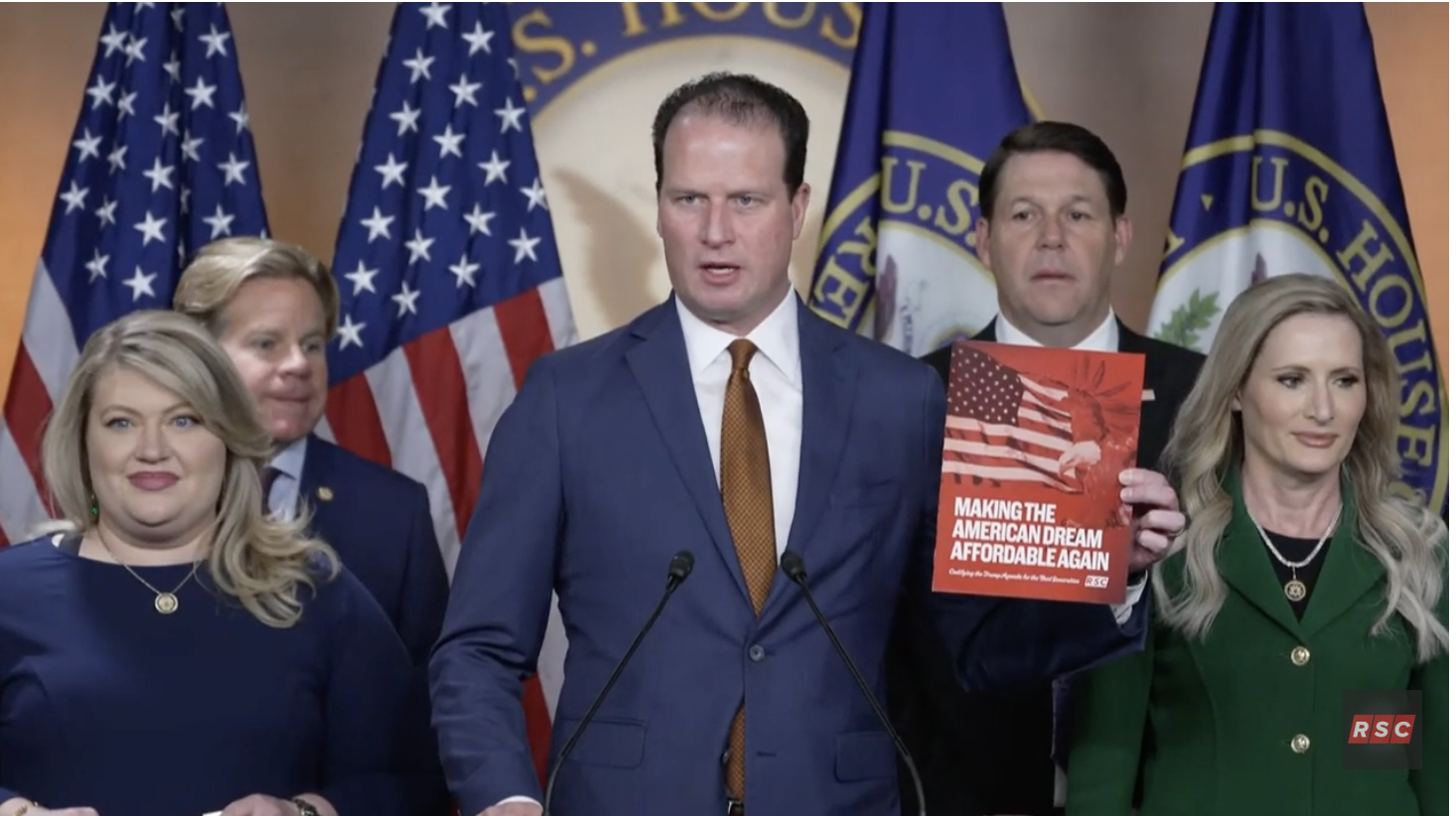
Republicans face a real choice with Reconciliation 2.0: use procedural tools to push lasting change, or let another session drift while voters wait for results. This piece lays out the strategic, legislative, and political moves they’d need to make the most of a reconciliation window.
Reconciliation is a blunt but powerful tool when the majority wants to advance fiscal and structural reforms on a 51-vote track. For congressional Republicans, it offers a path around the 60-vote Senate hurdle to pursue priorities that would otherwise stall. That means real policy tradeoffs and clear political responsibility for outcomes.
First, the mechanics matter: a budget resolution sets the reconciliation instructions and the Senate parliamentarian still enforces strict Byrd Rule limits. Republicans must build a tight, defensible package that fits budgetary language and can survive scrutiny. That discipline forces focus on measures tied to spending, revenue, or the debt limit—areas where tangible change actually moves the needle.
Second, priorities should reflect conservative governing: cap spending growth, reform entitlements to restore long-term solvency, and remove regulatory roadblocks to economic growth. Those are not just slogans; they are concrete levers that affect inflation, investment, and future deficits. Pursuing these items shows voters the majority is willing to tackle long-term problems instead of chasing short-term headlines.
Third, entitlement changes require careful design and strong messaging. Work requirements, targeted eligibility reforms, and incentives for private retirement savings can be framed as both fiscally responsible and morally sound. Republicans must explain how modest reforms preserve the safety net for those who need it while protecting younger generations from an unsustainable fiscal burden.
Fourth, reconciliation can advance pro-growth tax and regulatory changes that fit budget rules, such as tax-code simplifications or targeted relief that encourage investment. Energy and permitting reforms can be structured to increase domestic production and reduce costs while also passing muster under budget reconciliation if tied to revenue or expenditure shifts. These choices align with conservative beliefs in markets and energy independence.
Fifth, healthcare and prescription drug policy need pragmatic touches that respect free-market principles while lowering costs. Measures that increase competition, streamline FDA approvals, or alter payment incentives can reduce spending without surrendering patient choice. Republicans should avoid heavy-handed price controls that jeopardize innovation and instead pursue reforms that deliver savings through competition.
Next, coalition-building inside the conference is nonnegotiable. A reconciliation bill will demand votes from both House and Senate Republicans, so leadership must negotiate early with moderates and conservatives to set priorities and carve compromises. That internal discipline will determine whether the package survives procedural tests and the inevitable political heat.
Politically, there is risk and reward. Success would let Republicans point to tangible wins on spending discipline, economic growth, and entitlements—results voters can judge. Failure or a paper-thin package would feed the narrative that majority control didn’t translate into meaningful action, and that is a message opponents will use relentlessly.
Finally, attention to implementation and follow-through matters as much as the statute itself. Reforms need execution plans and oversight to ensure they produce expected savings and policy effects. If Republicans use reconciliation to pass durable, enforceable changes and then hold agencies accountable, they will turn procedural victory into governing credibility.
Reconciliation 2.0 is not a magic wand, but it is a narrow, enforceable route to do big things without unanimous Senate consent. If congressional Republicans are serious about delivering results, they should focus their majority on tight, defensible reforms that limit spending growth, promote growth, and preserve essential safety nets. The country deserves a majority willing to turn authority into action.

