

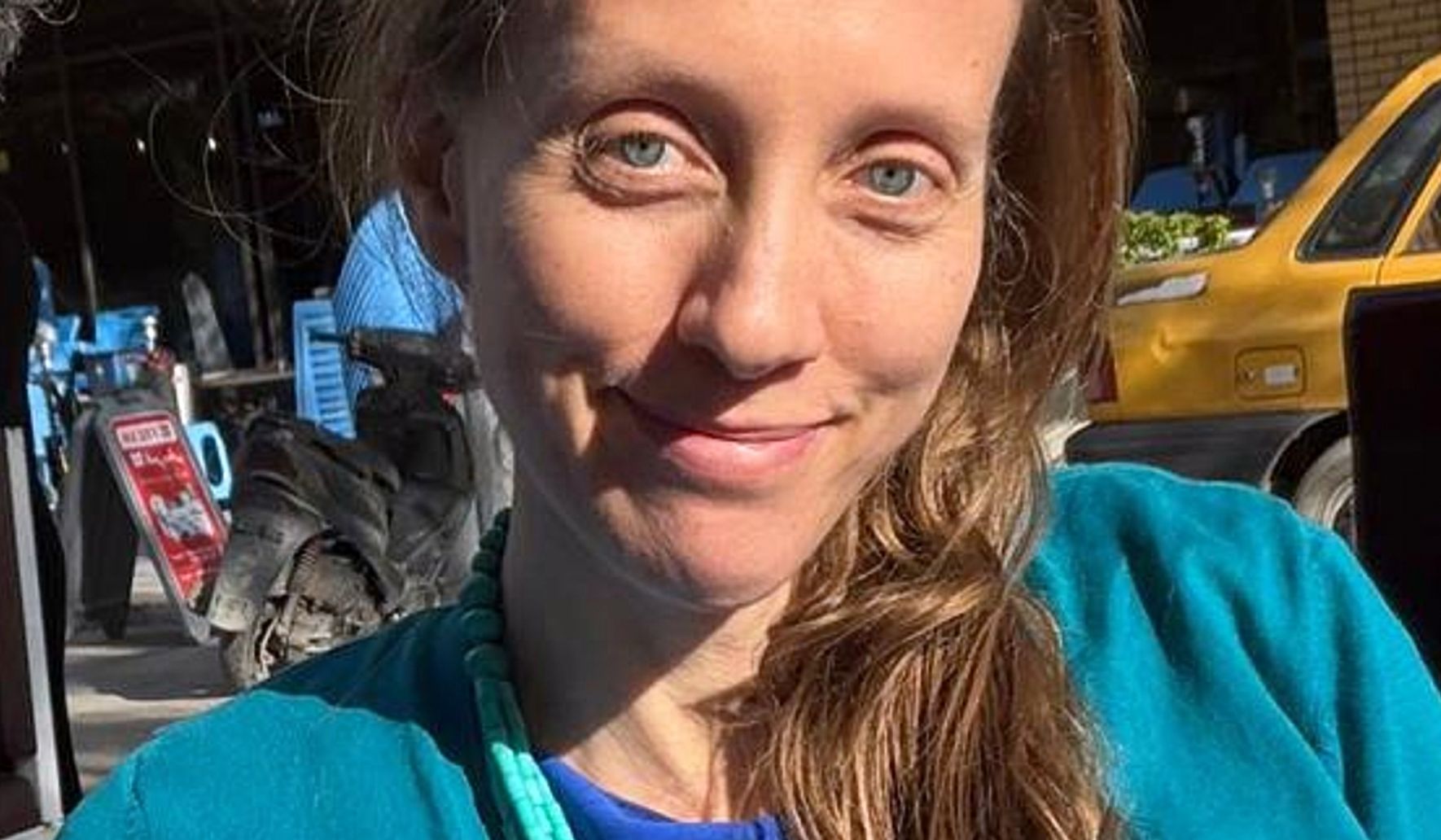
Secretary of State Marco Rubio announced the release of American journalist Shelly Kittleson, who was recently kidnapped by members of the foreign terrorist organization Kata’ib Hizballah near Ba
Secretary of State Marco Rubio announced the release of American journalist Shelly Kittleson, who was recently kidnapped by members of the foreign terrorist organization Kata’ib Hizballah near Ba The announcement updates a tense situation and makes clear the American government was directly involved in securing her freedom. For Republicans, a swift recovery underscores the need for clear policy and firm responses to groups that target U.S. citizens abroad. The return of a journalist should remind policymakers that protecting Americans overseas is a nonnegotiable responsibility.
This case highlights the dangerous operating environment created by militias that operate with impunity in parts of the region. Kata’ib Hizballah is identified in U.S. policy as a foreign terrorist organization, and its actions threaten both stability and American lives. The appropriate response demands pressure, accountability, and tools that actually work, not hollow statements.
Secretary Rubio’s statement signals how the administration can move quickly when priorities are set and resources are put behind a mission. From a Republican perspective, decisive action matters more than pageantry; it deters further attacks and signals that kidnapping Americans carries consequences. That kind of clarity on policy should guide future diplomatic and security work to protect citizens and allies alike.
Journalists perform an essential public service, often at real risk, and their safety should be a priority in any foreign policy plan. Shelly Kittleson’s release is a reminder that Washington must support free reporting while planning realistic protective steps for Americans operating in hostile zones. That means clear evacuation options, better coordination with partners, and readiness to use diplomatic leverage when lives are at stake.
There is also a law-and-accountability angle that must not be overlooked. Groups designated as terrorist organizations should face targeted sanctions, legal pressure, and limits on their funding channels until they cease attacks on civilians and Americans. Republicans argue that strong enforcement tools, carefully calibrated, prevent the conditions that allow such groups to abduct and intimidate.
Diplomacy and defense should work in tandem to prevent repeat incidents without escalating into open conflict when it is unnecessary. Practical steps include tighter intelligence sharing, rapid-response mechanisms, and concrete consequences for those who harbor or empower militia groups. The goal is straightforward: stop the cycle of abduction and negotiation by making it costlier for bad actors to operate.
Congress and the administration should also ensure that American journalists and aid workers get clear guidance about the risks they may face and what support is available. That support must be tangible and timely, from consular help to bargaining leverage, not just perfunctory travel advisories. Republicans emphasize that protecting citizens abroad is a core function of government and needs predictable, effective plans.
This incident should provoke a sober review of how U.S. policy addresses militias that blur the line between proxy force and outright terrorist network. The solution requires a mix of sanctions, targeted operations against leadership and logistics, and sustained diplomatic pressure on governments that tolerate or enable these groups. A durable strategy prevents similar kidnappings and reduces the freedom of movement those groups currently enjoy.
Finally, the swift release must not lull officials into complacency; it should spur concrete reforms and tougher oversight of the networks that endanger Americans. For Republicans, the lesson is simple: act fast, hold bad actors accountable, and prioritize the safety of our people overseas. Continuing to refine those tools will be vital to preventing future incidents and protecting American lives.

