

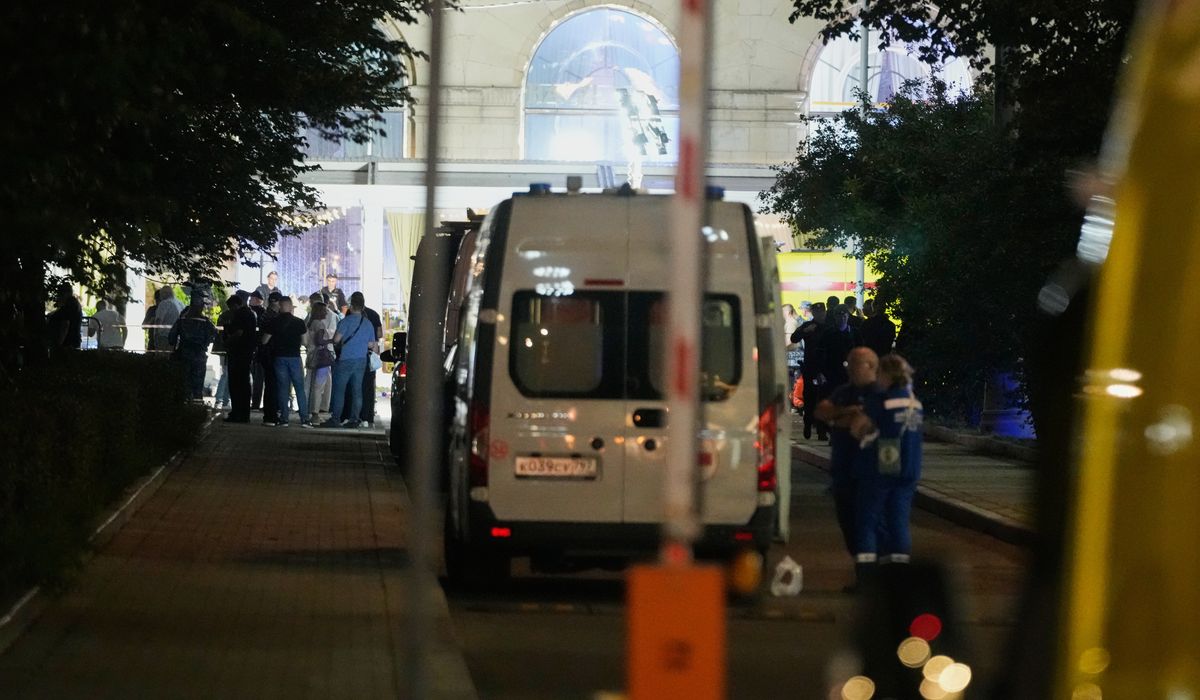
The Russian Embassy in Rome on Monday blamed Ukraine for a deadly weekend bombing at a Moscow restaurant, calling it an attempt to intimidate the Italian community in Russia and raising fresh concerns about civilian safety and diplomatic fallout.
The attack at a Moscow restaurant over the weekend left deaths and injuries and immediately drew a diplomatic statement from the Russian Embassy in Rome. The embassy singled out Ukraine for responsibility and framed the blast as aimed at putting pressure on Italians living or working in Russia. That public accusation shifts the incident from a local tragedy to a matter with international and political reverberations.
For conservatives watching this play out, two priorities rise to the top: protect civilians and demand clear evidence. Attacks that kill or maim civilians are unacceptable no matter who is responsible, and leaders should press for rapid, transparent investigations. At the same time, the rush to assign blame without sharing supporting facts risks inflaming an already volatile situation.
Russia’s move to single out Ukraine in a statement from its embassy in Rome will likely shape how other governments respond. When an embassy publicly makes an allegation, it is asking foreign capitals to pay attention and potentially to act. That dynamic forces allies and rivals alike to consider where they stand on proof, solidarity with victims, and potential repercussions.
Italian citizens and the broader Italian community in Russia now face heightened anxiety after the embassy described the bombing as an effort to intimidate them. Diaspora communities are often caught between geopolitics and daily life, and embassies play a crucial role in communicating risks and supporting nationals abroad. Conservatively minded leaders would emphasize the government’s duty to prioritize citizen safety and demand accountability from whoever carried out the attack.
Beyond immediate safety, the incident raises questions about how information will be handled in the days ahead. Transparent forensic work, open sharing of findings, and cooperation between investigators can help prevent false narratives from taking hold. Political statements should follow, not precede, clear evidence so that policy responses are grounded in verified facts rather than speculation.
There is also a strategic layer to consider: accusations made in foreign capitals can affect bilateral relations and diplomatic posture. A claim voiced at an embassy is designed to be loud and visible, not private. That means Rome and other capitals now must decide whether to publicly endorse Moscow’s account, seek more information, or press for an independent inquiry into what happened.
From a Republican viewpoint, defending citizens and allies matters, as does holding aggressors to account when proven responsible. But defense of the innocent and protection of diaspora communities should be paired with insistence on transparent, verifiable evidence. Unchecked accusations risk escalating tensions and could justify retaliatory moves that make civilians less safe, not more.
Media coverage and social chatter will shape perceptions quickly, which is why officials should move deliberately in communicating updates. Clear, consistent updates from investigators and diplomatic channels reduce the opportunity for rumor to harden into perceived truth. Conservative policymakers typically favor strong stances, but those stances are most effective when built on solid proof and coordinated international pressure.
The broader context of the Russia-Ukraine conflict means any violent incident can be interpreted through a political lens, and the Russian Embassy’s statement in Rome guarantees it will be. That politicization increases the need for careful handling by governments, embassies, and investigators so victims are not further exploited for geopolitical advantage. Protecting civilians and ensuring a factual record should guide the immediate response.
Ultimately, the bombing at a Moscow restaurant and the Russian Embassy’s accusation point to a volatile mix of violence, diaspora risk, and diplomatic signaling. Officials should prioritize victim care, secure and transparent inquiry, and clear communication to affected communities. Conservative voices will continue to stress accountability and safety while urging that any conclusions be rooted in verifiable evidence rather than rapid-fire claims.


1 Comment
Russia invaded Ukraine. Russia has been bombing civilians in Ukraine. Everyone knows that there is no such thing as international law. There is only power. The safety of civilians in Russia is the responsibility of Russia. If Russia is concerned with that now, it has no claim to treatment better than it provides to others.