

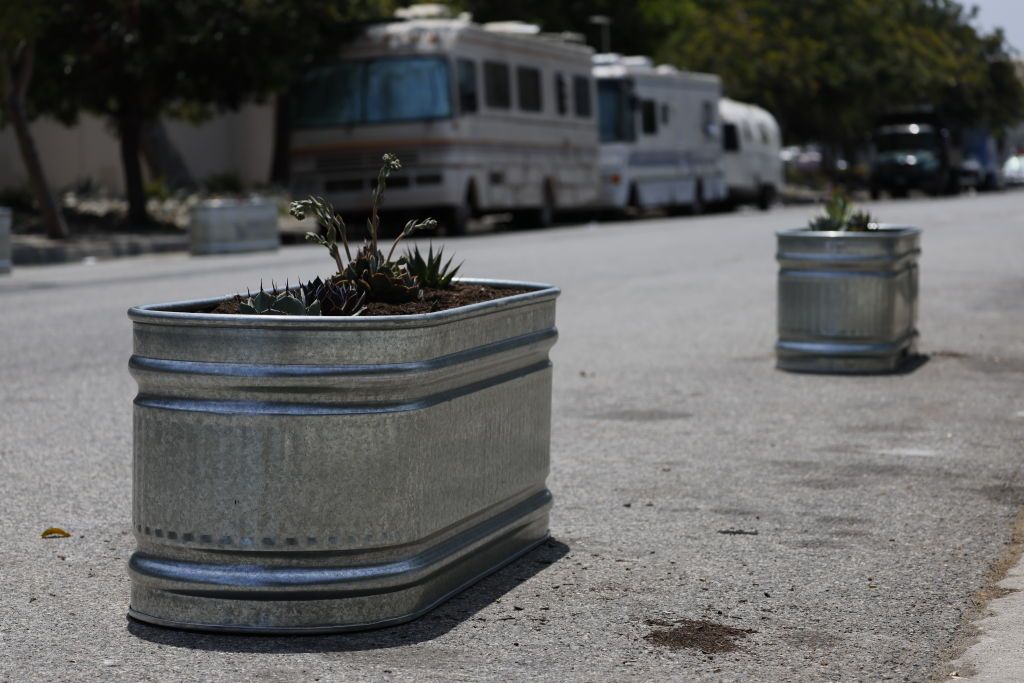
Neighbors in one Seattle community pushed back against rising street crime by physically blocking vehicle access, using planters and barriers to reclaim public space and reduce incidents until city officials intervened, sparking debate over local initiative, public safety, and municipal authority.
Residents turned their block into a quiet, controlled space with planters and makeshift barriers, aiming to keep out joyriders, loitering, and drive-by nuisance. The effort cut vehicle traffic and visibly reduced some types of crime, prompting neighbors to organize watches and coordinate with one another. Community leaders described a palpable change in the day-to-day rhythm of the street as fewer cars and strangers passed through.
“It seemed to be working, until city officials stepped in.” That exact line captures the moment the neighborhood’s grassroots experiment ran into red tape and official concern. The intervention from city agencies was framed around legal and safety issues, with officials citing traffic access, emergency vehicle routes, and city code. The result was a clash between locally driven solutions and uniform municipal standards.
On Jun 3, 2026, the dispute gained attention as residents argued their measures were practical and immediate, while city staff insisted on long-established rules designed to protect the broader public. Neighbors say the barriers cut down on casual criminal activity and created a calmer environment where children could play and local commerce felt safer. City representatives countered that ad hoc street closures can create new hazards and set messy precedents for other blocks to follow without planning or approval.
Crime data from the block’s immediate vicinity showed a drop in certain incidents that residents had cited as justification for their actions. Petty thefts, vandalism, and random car prowls reportedly declined after the closures, according to accounts from local business owners and longtime residents. Police response times and formal arrest numbers are complex to parse, but the neighborhood’s sense of safety clearly rose during the period the street was physically restricted.
Officials pointed to concerns about emergency access and equitable public use of streets, arguing that barricades interfere with the movement of ambulances and fire trucks. That argument resonated with some neighbors who worry about unintended consequences if streets are permanently blocked without official planning. Others responded that temporary closures designed with emergency access in mind could be a workable compromise if the city would collaborate instead of issuing immediate cease-and-desist orders.
The situation raises questions about who gets to decide how public space is used when standard municipal services feel absent or inadequate. Residents framed their actions as a corrective to slow-moving bureaucracies and understaffed public safety systems. Placing planters and barriers was an expedient, visible way to show control and deter casual offenders, and many credit it with restoring nightly quiet that had been missing for months.
Critics worry that informal blockades shift problems down the street and create islands of enforcement that can unevenly distribute safety and convenience. They point out that traffic patterns are regional, so diverting cars from one corridor tends to increase flow elsewhere. Still, the neighbors who invested time, sweat, and money in planters say their block’s quality of life improved enough to justify the effort, even if temporarily.
City staff emphasized the need for a formal process to request closures, citing permitting, liability, and long-term planning as reasons for enforcing rules. Neighborhood activists argue the permitting system is too slow and often unresponsive to immediate safety threats, leaving them to choose between inaction and risky self-help. This tension underscores how municipal systems and citizen-led responses can collide when trust in institutions is low.
Moving forward, some residents hope the episode will force a more practical dialogue about flexible, neighborhood-led interventions that still respect citywide rules and emergency service needs. Others expect continued enforcement of codes and insist that public streets must remain accessible unless a formal process says otherwise. The debate highlights a broader question cities face: how to empower communities to protect themselves without sacrificing consistency, safety, and equal access for everyone.

