

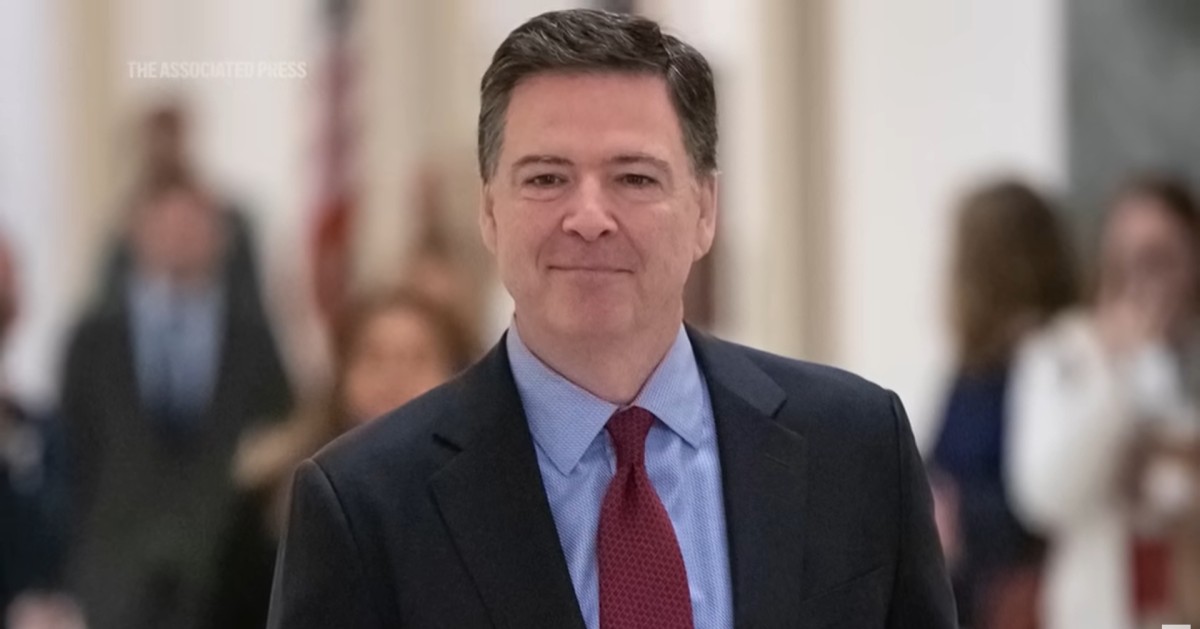
Robert McBride, the second-ranking prosecutor in the Eastern District of Virginia, was abruptly fired after declining to assist in the Justice Department’s prosecution of former FBI Director James Comey, a move tied to a politically fraught case that was dismissed last November and is now the subject of an appeal.
McBride had only been in the role of first assistant U.S. Attorney for a few months when he was terminated for refusing to join the prosecution effort, according to a source familiar with the matter as reported by CBS News. That decision landed in the middle of a controversy over who calls the shots in high-profile prosecutions. The timing and circumstances have made observers question whether independence or politics drove the personnel move.
The case against Comey traces back to indictments from last fall alleging false testimony to Congress in 2020. A federal judge dismissed those charges in November, finding interim U.S. Attorney Lindsey Halligan’s appointment unlawful. The Justice Department is appealing that ruling, but the underlying facts and timing complicate the path forward.
That judicial setback only sharpened debate about how federal cases of political interest are handled. Critics point out the unusual appointment process and the sidelining of career prosecutors as warning signs. The controversy now centers on whether legal standards were sacrificed for political speed and optics.
McBride’s career background adds weight to the uproar. He served for many years as a federal prosecutor in Kentucky’s Eastern District before moving into private practice, and he has experience in the U.S. Navy’s Judge Advocate General’s Corps. For someone with that record to be removed so suddenly raises real questions about internal decision-making and respect for career judgment.
The U.S. Attorney’s Office in Eastern Virginia declined to comment on the firing, leaving a lot of unanswered questions. That silence fuels speculation and leaves the public with only fragmentary accounts of what led to such a dramatic personnel decision. When prosecutorial independence is at stake, transparency matters more than ever.
The Comey prosecution itself has unusual contours: it began with two counts tied to alleged false statements to Congress, and those charges were brought under an interim appointment rather than through the usual career-prosecutor channels. Reports say career staff stepped back because they believed the evidence was thin. When hand-picked leadership pushes forward where career folks balk, the optics look political.
Halligan, who was personally selected for the interim post, obtained the indictments without the reported support of long-serving prosecutors. Her predecessor reportedly declined to pursue charges against Comey and New York Attorney General Letitia James for similar reasons. Those refusals add to the perception that the effort was pursued despite serious legal doubts.
In November a federal judge vacated the charges against both Comey and James on the grounds that the interim appointment failed to comply with legal requirements. The Justice Department’s appeal keeps the matter alive, but the practical hurdles remain significant. In Comey’s case the statute of limitations expired just days after the initial indictment, and attempts to re-indict James have been unsuccessful twice since Halligan’s disqualification.
Let’s be frank: when career prosecutors refuse to touch a case due to weak evidence, yet a hand-picked interim attorney barrels ahead, it smells like politics over principle. McBride’s firing for declining to join that legal crusade raises a fair question—shouldn’t prosecutors have the freedom to say ‘no’ when the evidence doesn’t stack up, without fearing the axe?

