

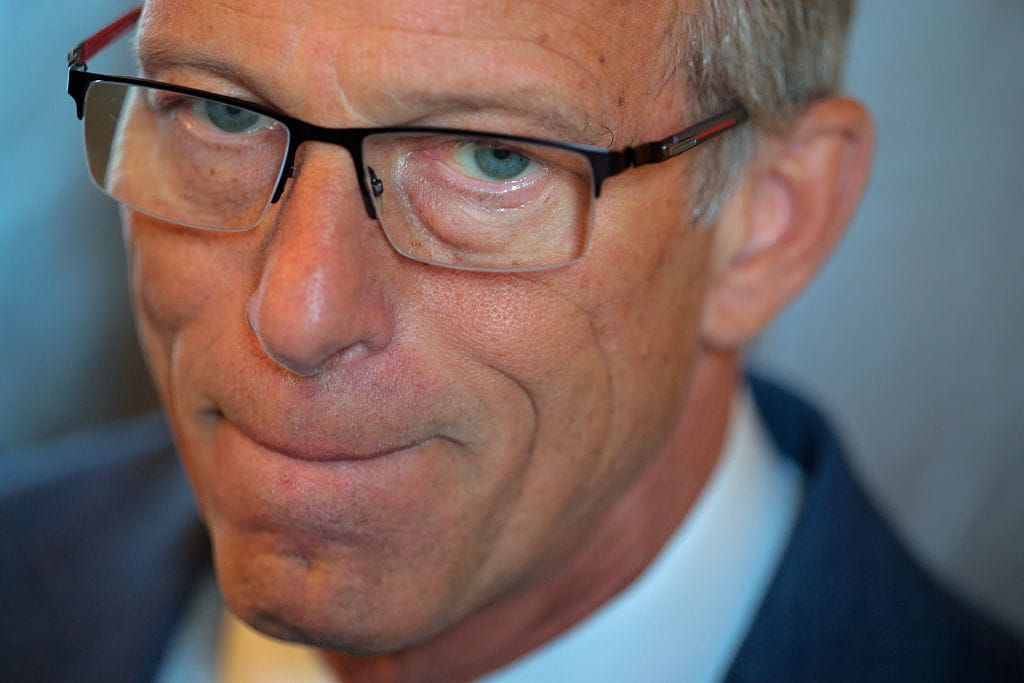
John Thune is positioning himself as a last holdout for establishment Republicans even as tensions with the president grow, and the debate over the party’s future sharpened on Jun 4, 2026.
What began as routine intra-party debate has hardened into a clear choice between an insurgent base and a comfortable establishment, with Senator John Thune increasingly cast in the latter role. He is a long-serving senator from South Dakota and has been a familiar face in GOP leadership circles, which gives his posture weight beyond his state. For many conservatives, his recent moves feel like an attempt to preserve the pre-Trump order inside the party.
It seems increasingly that the Senate leader is working against the president. That line has become shorthand among grassroots voters who believe national leaders should back the agenda and the mandate that came from rank-and-file Republicans. When senior figures appear to hedge or oppose the president, it fuels suspicion that the establishment prefers stability over the political risks that shook up Washington in recent years.
Republican voters who backed the president did so because they wanted bold change, not cautious maintenance of the status quo, and that expectation colors reactions to any perceived pushback from leaders like Thune. The party’s energy now springs from an activist base that prizes loyalty to policy aims and results over internal etiquette. When leadership posture looks like resistance rather than coordination, it widens the gap between elected officials and the voters who delivered the mandate.
Critics say the old guard fears a new coalition reshaping the GOP, and those fears can translate into tactical stands that look defensive or obstructive. Supporters of the president argue that what outsiders label as chaos often reflects a deliberate effort to return power to ordinary Americans, not to Washington insiders. From that perspective, figures who cling to established norms risk alienating the very voters the party needs to sustain its majorities.
Thune’s institutional instincts are familiar to anyone who has watched Senate politics for years: protect relationships, safeguard committees, and manage the chamber’s daily work. Those instincts matter in governance, and they can be valuable when the goal is steady, incremental progress. But the political moment has rewarded a different playbook, one that prizes rapid, unapologetic action and rhetorical clarity, and that mismatch fuels public frustration with figures who refuse to adapt.
From a Republican viewpoint, the path forward is about marrying effective leadership with clear allegiance to the voters who delivered electoral wins, and critics say that requires setting aside establishment reflexes. That does not mean throwing out experience; it means channeling it to secure wins, defend conservative judges, and advance policy priorities without unnecessary compromise. The party’s base expects leadership that will fight, not swerve, when core issues are on the line.
For lawmakers who worry about long-term institutional health, the impulse to temper conflict is understandable, but it can come at a political cost if it reads as obstruction. Conservative activists see a straightforward test: are leaders helping to implement the agenda voters supported or are they slowing it down for the comfort of Washington tradings? If the answer leans toward preservation of the old order, the backlash will be political and vocal.
The debate over John Thune’s role is part of a larger reckoning in the Republican Party about authority, loyalty, and the kind of leadership people want going into battleground cycles. Grassroots voters are watching leaders closely and measuring every move against the promise of policy change and cultural influence. That scrutiny will keep shaping internal fights for influence well past the headlines of a single week in June 2026.

