

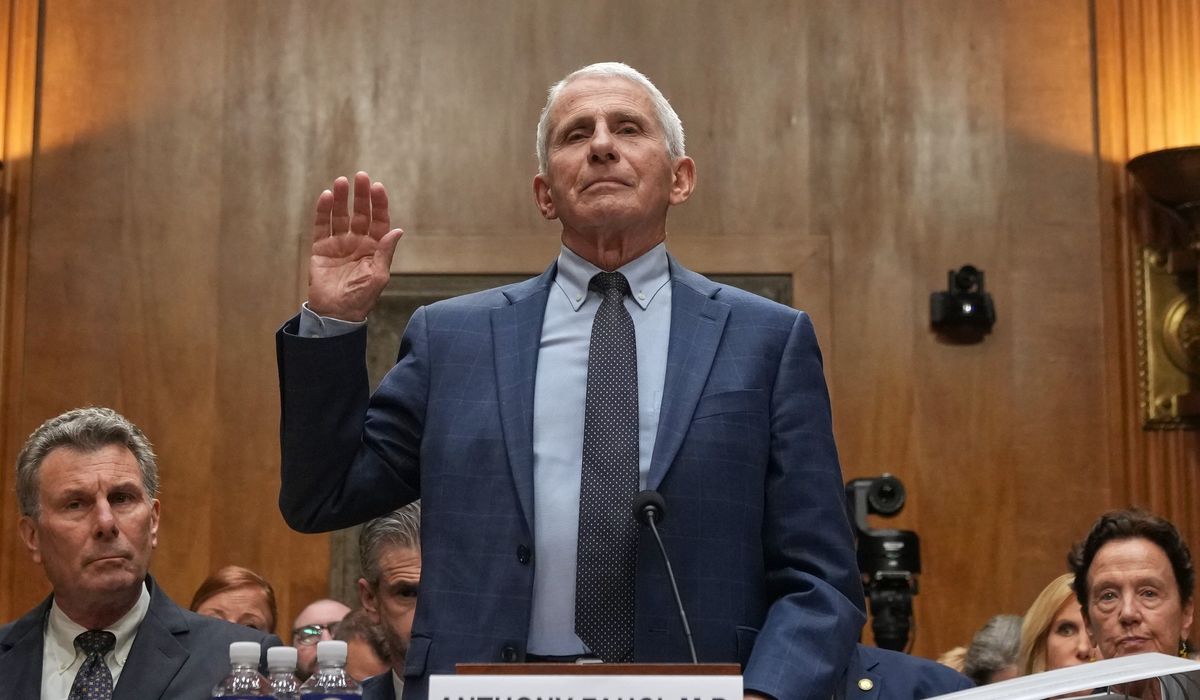
Senate Republicans are weighing whether to pursue contempt charges against Dr. Anthony Fauci, but doing so raises legal hurdles, political costs, and questions about what enforcement would actually achieve.
Republicans in the Senate have been vocal about the need for accountability over pandemic decisions, and holding officials to account is a legitimate oversight role for Congress. That said, moving from rhetoric to a formal contempt citation is a complicated legal and political maneuver with uncertain payoff. The question is not whether frustration exists, but whether contempt is the right tool.
There are clear procedural hurdles that make contempt a challenge in this case. Proving contempt requires showing a willful refusal to comply with a valid subpoena, and defenses like flawed service, executive privilege claims, and differing interpretations of congressional authority can muddy the record. A courtroom battle after a contempt vote would likely be drawn out and expensive, and judges are often reluctant to wade into raw political fights between Congress and the executive branch.
“Senate Republicans may find Dr. Anthony Fauci contemptible, but actually holding the COVID chief in contempt of Congress will be a stretch.” That sentence captures the gap between political anger and legal reality. The optics of a contempt vote can energize a base, but optics do not guarantee legal victory or practical consequences.
Politically, Republicans face trade-offs that deserve sober attention. A contempt fight would keep attention on Fauci and pandemic-era decisions, which can be useful messaging for those who want tougher oversight. At the same time, prolonged hearings and litigation risk becoming a partisan spectacle that wears on voters and distracts from other priorities like the economy, border security, and national defense.
Past contempt cases offer lessons about what to expect. When Congress has pursued contempt before, the outcome often depends less on the merits and more on timing, public sentiment, and the willingness of the Justice Department to prosecute. If the Department declines to act, Congress can refer to federal courts, but those cases can take years and produce narrow rulings that leave both sides claiming victory.
There are alternatives to a formal contempt charge that still advance accountability and oversight. Focusing on targeted document requests, carefully framed depositions, and clear lines of inquiry can produce useful testimony and records without the spectacle of a contempt prosecution. Republicans can also use committee reports to shape the narrative and lay out findings for the public and for future legislative fixes.
Legal strategy matters, and Republican counsel should be prepared to show concrete examples of obstruction rather than rely on political frustration alone. The case will hinge on documented refusals to comply and whether executive branch officials assert privilege in ways that courts respect. Without airtight legal footing, a contempt vote is more likely to energize opponents than to produce enforceable outcomes.
There is also a reputational dimension for Republicans to consider. Voters who value accountability will respond to rigorous, narrowly tailored oversight that produces facts and recommendations. Voters tired of partisan theater will penalize lawmakers who pursue headline-grabbing moves without a realistic chance of results. A thoughtful approach that balances principle with practicality is more likely to resonate.
Finally, the broader balance of power between Congress and the executive branch is at stake, and Republicans should be mindful of long-term precedent. Overreaching on contempt risks giving future administrations or future Senates tools to weaponize oversight. Conversely, failing to press legitimate complaints can leave serious questions unresolved. The right path is a strategic mix of legal preparedness, focused investigations, and disciplined messaging.

