

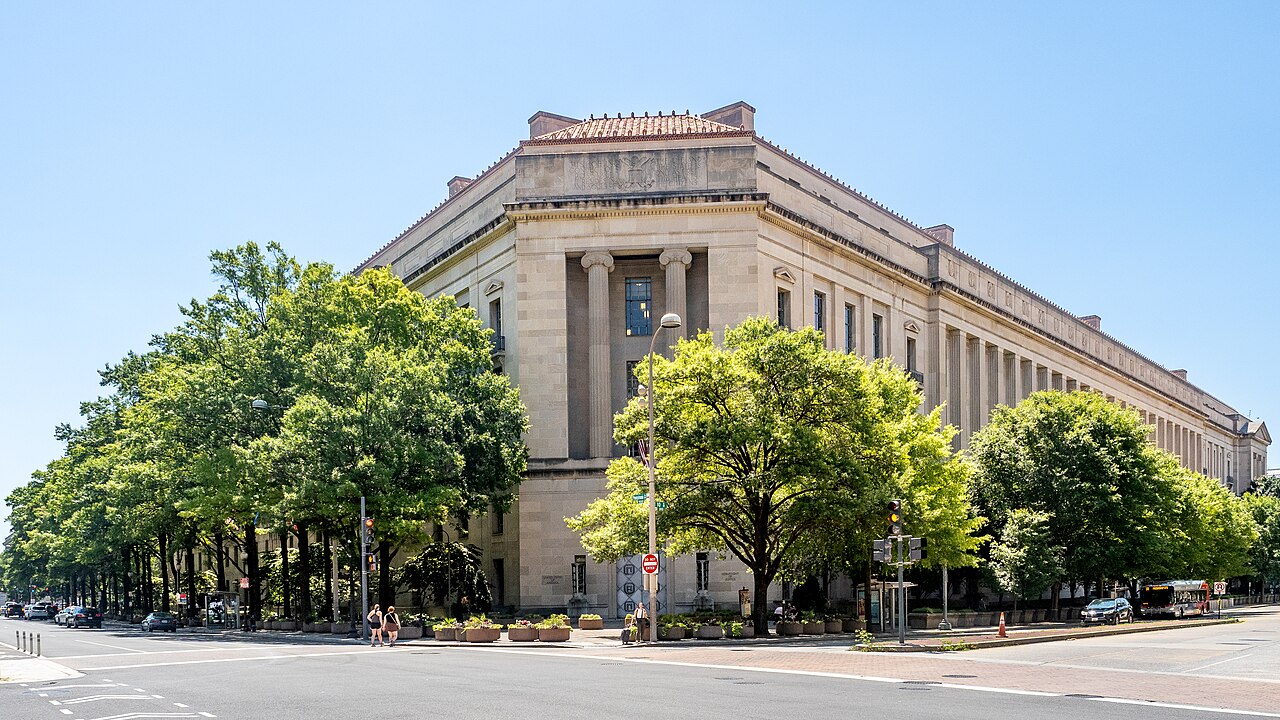
All six attorneys who signed the subpoenas released Wednesday are no longer employed by the DOJ. This development raises immediate questions about personnel practices, internal accountability, and whether the department’s handling of sensitive legal actions is consistent and transparent. The departure of those attorneys also changes who can be questioned about the records and decisions tied to those subpoenas. Republicans and critics will view this as a sign that more oversight and answers are needed from the Justice Department.
The sudden absence of these six attorneys creates a gap in institutional memory. When key signers of subpoenas leave, reconstructing the justification, legal reasoning, and chain of command becomes harder. That makes it difficult for outside observers, Congress, or oversight bodies to trace decisions back to their origin and understand the context behind the orders.
Personnel turnover at the DOJ is not inherently improper, but the timing matters. Departures that coincide with the release of subpoenas or other contentious enforcement actions naturally fuel skepticism. From a Republican perspective, the pattern suggests there ought to be clear explanations about why these attorneys are gone and whether their exits were routine or connected to the work they performed.
Transparency is the minimum expectation for a department that wields significant legal power. Public confidence depends on consistent records and the ability to answer straightforward questions about who approved subpoenas and why. Absent those records, partisan narratives fill the void and Americans lose faith in a fair, impartial justice system.
The mechanics of how subpoenas are prepared, reviewed, and signed should be straightforward enough to document. Written legal memos, internal sign-off sheets, and supervisory emails are the kinds of records that clarify the decision-making path. If those documents exist, they need to be produced to the appropriate oversight bodies so there is a factual basis for any inquiry.
From a policy angle, accountability must outlast any single official’s tenure. When responsible attorneys leave, their work should remain accessible and examinable. That continuity ensures agencies can be held to the same standards regardless of staffing changes or political winds.
Critics will also ask whether this pattern affects the enforceability and reliability of the subpoenas themselves. Defense teams, target entities, and courts expect clarity about who authorized enforcement actions. If signatories are no longer employed, questions about authorization could complicate litigation and delay resolution.
Lawmakers who demand answers should focus on documentary proof rather than speculation. Requesting records from the time the subpoenas were issued, the internal reviews that preceded them, and the personnel files related to the signatories can produce concrete evidence. That approach avoids hearsay and ensures investigations proceed on facts, not assumptions.
The broader lesson here is about institutional safeguards. Agencies that handle politically sensitive matters need robust documentation, unimpeachable chains of custody for decisions, and formal processes that survive staff turnover. A healthy justice system depends on clear records and accountability, so departures like these trigger a legitimate demand for clarity and review without resorting to baseless accusations.

