

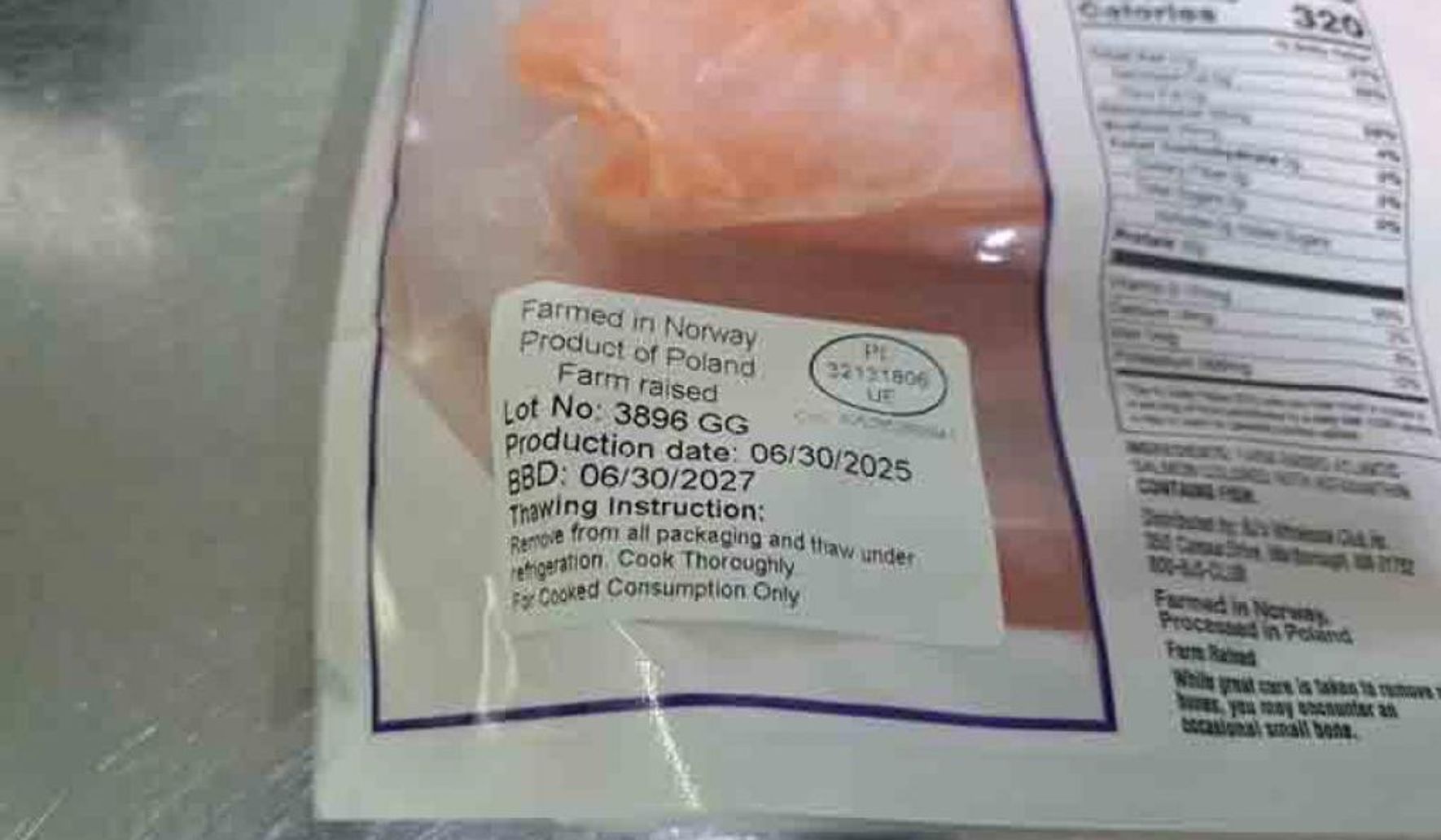
Slade Gorton & Co., Inc. has initiated a recall of one lot of farm-raised Atlantic salmon sold at BJ’s Wholesale Club stores across seven states after FDA sampling detected potential listeria contamination.
Slade Gorton & Co., Inc. is recalling one lot of farm-raised Atlantic salmon that was sold at BJ’s Wholesale Club stores across seven states following FDA sampling that detected potential listeria contamination. The recall applies to a single production lot, and the company has identified the affected product through routine testing and inventory records. Retailers and health officials are monitoring the situation while additional testing and tracebacks continue.
Listeria monocytogenes can be serious, especially for people with weakened immune systems, pregnant women, newborns, and older adults. Symptoms typically include fever, muscle aches, and gastrointestinal issues, and the infection can progress to more severe illness, including bloodstream infections and meningitis in vulnerable individuals. Because symptoms can take days to appear, exposure may not be obvious right away.
Unlike many pathogens, listeria can grow at refrigerator temperatures, which makes contaminated ready-to-eat foods and chilled seafood a particular concern. Proper cooking will kill listeria, but raw or lightly cooked seafood that becomes contaminated carries a higher risk if swallowed. Food safety practices like thorough cooking and careful handling reduce but do not eliminate the hazard once contamination has occurred.
FDA sampling that turns up potential contamination triggers standard follow-up actions, including confirmatory testing, tracebacks to identify distribution patterns, and coordination with the company to remove affected product. A finding of potential contamination does not always mean every item in a batch is contaminated, but regulators treat such results seriously to prevent illness. Additional laboratory testing often clarifies whether contamination is confirmed and whether the recall scope needs to change.
The recalled salmon was distributed through BJ’s Wholesale Club locations in seven states, and the company and retailers are working to identify and remove the lot from shelves. Because distribution was limited to a single lot, exposure may be geographically constrained, but consumers who purchased the product should carefully check their packages. Packaging details such as the product name, lot code, and sell-by dates typically help consumers determine whether their purchase is affected.
Slade Gorton & Co., Inc. issued the recall after the detection and is coordinating procedures to account for returned or unsold product. The process typically involves isolating remaining inventory and notifying retail partners to halt sales of the identified lot. Public notices and retailer alerts usually follow to inform shoppers and health departments of steps being taken.
If you suspect you have eaten a recalled product and develop symptoms consistent with listeriosis, it is important to consult a medical professional, particularly for people in high-risk groups. Health care providers can evaluate symptoms, recommend testing when appropriate, and provide treatment to address bacterial infections. Early diagnosis is valuable for preventing complications in vulnerable patients.
Regulators will continue testing and tracing to determine whether the issue is limited or if additional product lots are affected. Laboratories may run confirmatory assays to establish the presence and level of contamination, and federal or state agencies can expand notifications if necessary. Ongoing monitoring will determine the next steps for public health guidance and any further recalls.
Food safety experts emphasize good handling and storage practices as a routine defense: keep chilled seafood cold, separate raw items from ready-to-eat foods, and follow label instructions for cooking and storage. Updates and official notices will appear as agencies complete their investigations and confirm results. Consumers and retailers alike will be watching for any new information that changes the recall’s scope or public health advice.

