

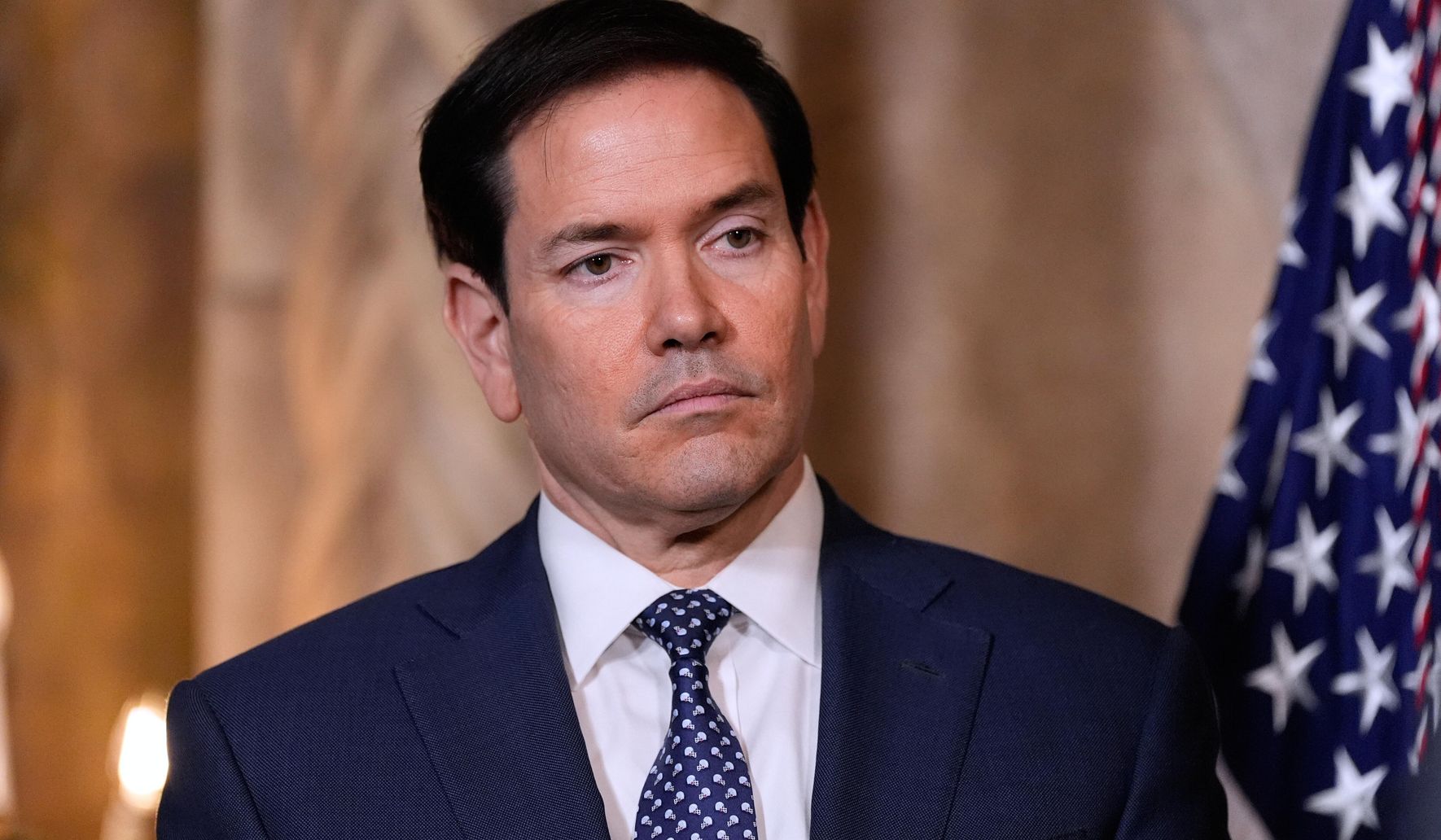
The State Department announced Tuesday it was barring five Europeans it accused of leading efforts to pressure U.S. tech firms to censor or suppress American viewpoints. This move marks a rare public sanction aimed at foreign operatives who push for content controls on American platforms, and it raises hard questions about influence, free speech, and who gets to decide what Americans can see online.
This is a clear moment where policy, tech, and free speech collide. The State Department announced Tuesday it was barring five Europeans it accused of leading efforts to pressure U.S. tech firms to censor or suppress American viewpoints. The action signals Washington is willing to name and restrict foreign actors who try to shape American speech through corporate pressure.
Republicans will see this as overdue accountability for outside players who attempt to dictate content on American platforms. For years, conservative voices have argued that tech companies too often bow to pressure from activists and foreign groups. Barring individuals tied to those pressure campaigns is a direct response that treats the behavior as a national concern rather than a private dispute.
The core issue is straightforward: Americans should not have their public discourse filtered because foreign operatives lobbied platforms behind closed doors. When external groups mount coordinated campaigns to get content removed or suppressed, the result is less debate and more control by unelected actors. The State Department’s move reframes those campaigns as foreign influence rather than mere advocacy.
There are practical implications for U.S. tech firms, which will now face a more public spotlight on their choices. Platforms will need to show they are resisting improper foreign pressure while still enforcing their own rules. That balancing act will be messy, but it’s justified when outside forces try to manipulate what Americans can read and say.
Critics on the left will call this an attack on transnational activism, while some on the right will demand the Biden administration do more to protect free speech. Both reactions miss an important point: the government is not censoring ideas here, it is pushing back against foreign actors who weaponize content moderation. That distinction matters for the country’s sovereignty and for the integrity of online debate.
This action also raises questions about the tools Washington will use next. Sanctions and travel bars are blunt instruments, useful for signaling but limited in scope. Republicans will insist those tools be paired with clearer rules for tech platforms, stronger transparency about moderation decisions, and protections for lawful political speech.
Finally, this development should prompt a debate about international norms and digital diplomacy. If foreign governments or private groups can influence what Americans see, the U.S. needs to articulate rules that protect national discourse. The State Department’s announcement is only the start of a larger fight over who sets the terms for online information and how to prevent outside interference without choking off legitimate critique.

