

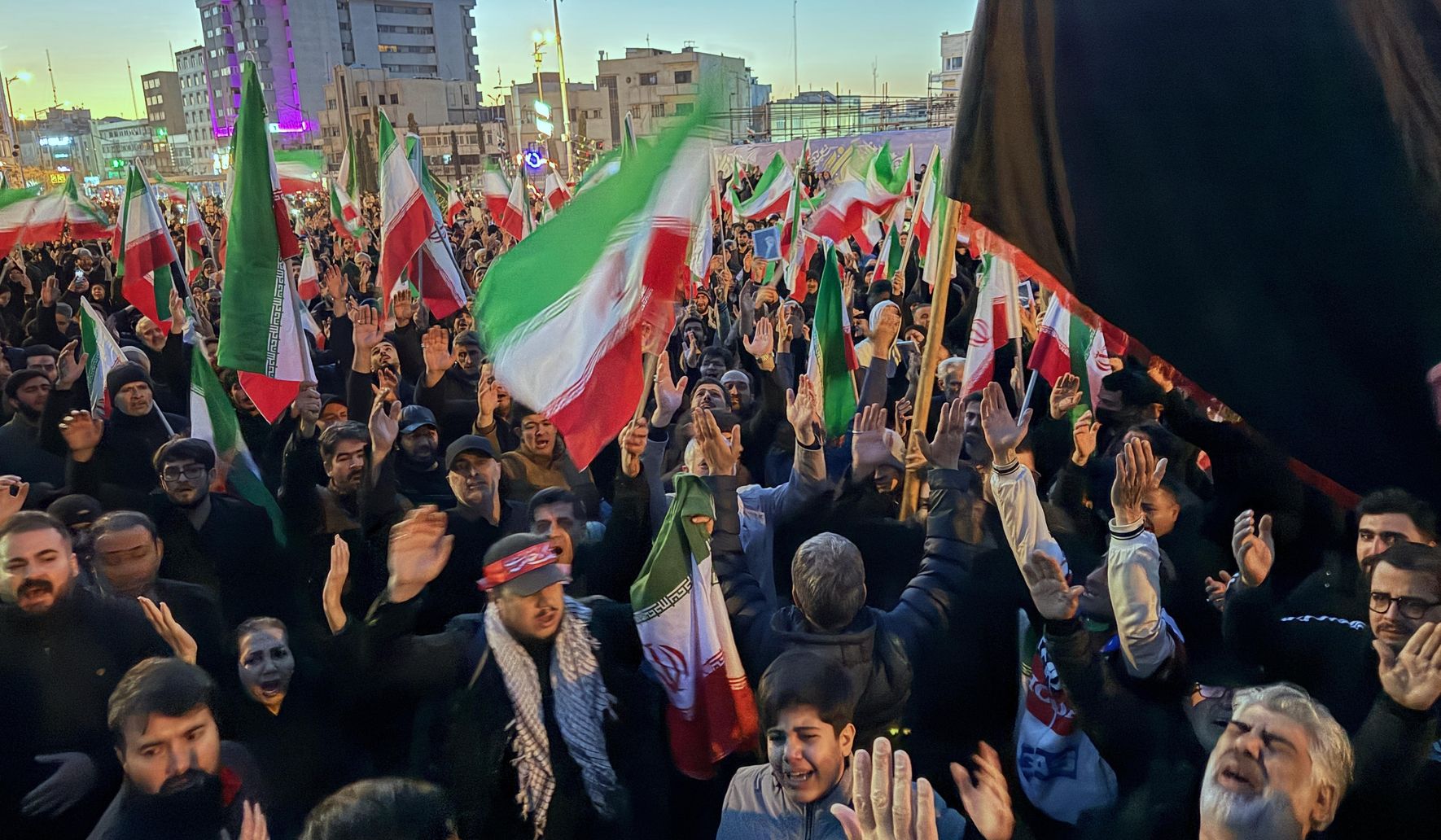
State media reported that Mojtaba Khamenei has been named successor to Ayatollah Ali Khamenei, sparking debate and strategic concern across the region and in Washington.
State media in Iran reported early Monday that Mojtaba Khamenei, a son of slain Supreme Leader Ayatollah Ali Khamenei, has been named his father’s successor. The announcement landed in a tense regional environment where leadership moves in Tehran carry immediate security implications. Reactions abroad were quick, with analysts and officials parsing what this could mean for Iran’s behavior and ambitions.
The naming of a family member to lead Iran raises questions about succession norms inside the Islamic Republic. Historically, succession to the Supreme Leader involved a mix of clerical legitimacy and elite bargaining, not straightforward dynastic handoffs. The report points to a consolidation of power that changes the internal dynamic of Iran’s ruling establishment.
For decades the Supreme Leader’s office has been the axis of Iran’s political, military, and ideological command. Whoever holds that position can shape foreign policy, control the armed forces, and influence nuclear and proxy calculations. A shift toward dynastic succession would further blur lines between religious authority and raw political control.
American conservatives are watching this development with skepticism and concern about regional stability. If power is concentrated in a single family, accountability within Tehran becomes even more opaque and harder to influence through traditional diplomacy. That opacity makes it tougher to predict whether Iran will prioritize aggressive external operations or internal repression.
Iran’s Revolutionary Guard Corps and affiliated networks are key power brokers in any succession outcome. Their reaction to a familial appointment is crucial, because the Guard enforces both domestic order and external adventures. A successor aligned closely with Guard interests could accelerate military projects and proxy campaigns across the Middle East.
Public legitimacy is another puzzle. Iran’s domestic audience already faces economic hardship, political restrictions, and generational frustrations. Installing a relative at the top risks deepening public alienation if the move is seen as nepotism rather than legitimate religious stewardship. That dynamic could push more Iranians toward quiet dissent or outward migration.
Regionally, neighbors and adversaries will read Tehran’s move for signs of continuity or escalation. Countries that have faced Iranian-backed proxy tactics and missile proliferation will evaluate whether leadership change means more or less risk. For Gulf states and Israel, uncertainty about Tehran’s intentions is itself a strategic problem.
The nuclear dimension cannot be ignored in any discussion of Iran’s leadership. A leader with tighter control over hardline elements could speed technical progress or authorize riskier steps to force concessions. Conversely, a calculated leader might use the program as leverage without overt escalation, leaving adversaries with fewer predictable cues.
Western intelligence and diplomatic channels are likely to intensify efforts to understand who actually wields power in Tehran. Identifying the balance among clerical elites, the Guard, and political factions will shape coalition responses and sanctions policies. Clarity matters; so does readiness to adapt to a less transparent center of authority.
Political messaging from Washington and allied capitals will likely frame this transition through the lens of stability and security. From a Republican viewpoint, the concern is that a family succession reduces avenues for reform and increases the regime’s dangerousness. Skeptical observers will argue that engagement without pressure risks legitimizing a more centralized and aggressive Tehran.
Economic levers and targeted sanctions will remain central tools for responding to the new leadership configuration. Those instruments are used to punish malign behavior and to limit access to resources that fund proxy warfare. Policymakers will trade off between squeezing Tehran and avoiding measures that inadvertently strengthen hardliners at home.
The next weeks and months will reveal how Iranian institutions react and whether rival elites accept the reported successor. Observers should expect a period of jockeying as factions test alliances and the international community calibrates its response. Whatever the outcome, a reported dynastic turn in Tehran is a significant development with long-term consequences for regional security and for how the United States engages Iran.

