

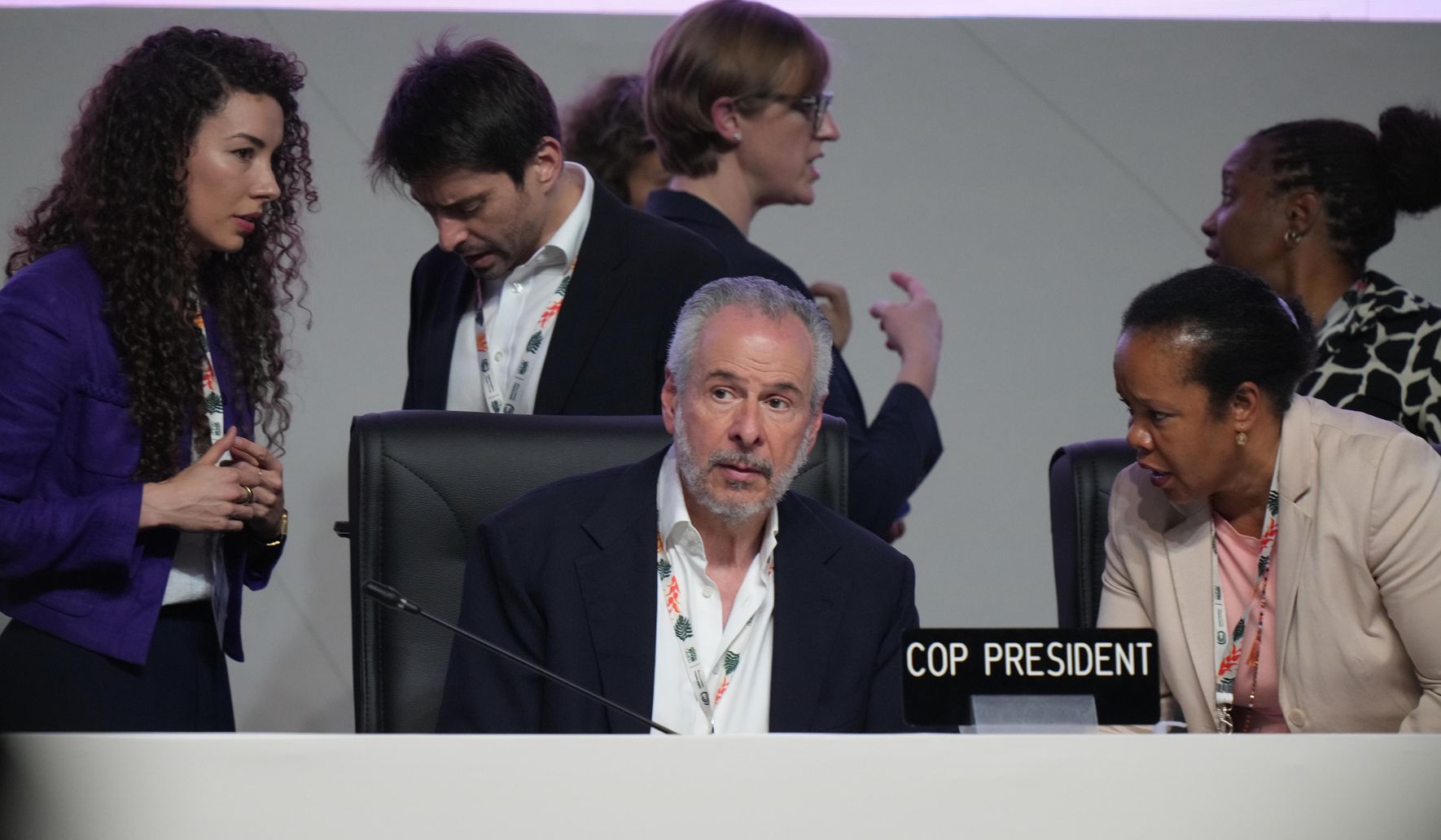
United Nations climate talks in Brazil ended with a low-key deal to send more cash to the countries most hammered by extreme weather, focusing on adaptation help; the move highlights the ongoing split over financing, accountability, and whether global institutions are fit to direct long-term aid without clearer rules and oversight.
United Nations climate talks in Brazil reached a subdued agreement Saturday to deliver more money to countries hit hardest by climate change to help them adapt to extreme weather’s wrath. The pact leans toward funding adaptation measures rather than vague promises, but it left many key questions unanswered about who pays, how the money will be spent, and how results will be measured. Delegates said the language was intentionally cautious, reflecting a compromise that pleased no one completely.
From a Republican viewpoint, sending taxpayer dollars overseas deserves hard scrutiny and strict conditions. There is a difference between helping vulnerable communities build resilient infrastructure and creating an open-ended transfer mechanism that lacks audits and clear benchmarks. Americans expect transparency, outcomes, and protections for taxpayers before any new multilateral funding commitments are embraced.
Accountability was a missing piece at the talks, with negotiators deferring the specifics to future meetings and technical panels. That deferral matters because without clear oversight, adaptation funds risk being absorbed by bureaucracy instead of reaching saltwater-damaged farms, failing schools, and flooded hospitals. Republicans argue for independent, third-party audits and performance-based disbursements so money goes to tangible projects with measurable results.
The talks also revealed a philosophical split on climate policy: wealth transfers versus market-driven solutions. Some countries pushed for grants and reparations framed as justice for historical emissions, while others emphasized investment in technology, private-sector partnerships, and insurance markets that reduce long-term dependence on aid. The latter approach aligns with conservative thinking that durable resilience comes from growth, ownership, and smart investment rather than perpetual subsidies.
Practical adaptation measures were on the table, from resilient coastal defenses and drought-ready crops to upgraded water systems and emergency response networks. Those are the kind of projects that deliver real benefits, and they deserve careful prioritization based on cost effectiveness and proven outcomes. A responsible U.S. posture would support projects that leverage private capital and local expertise, not endless grants that create entitlement cycles.
Another concern is the governance of any new funding vehicle. International bodies often adopt complex rules that slow response times and dilute impact, which is the opposite of what communities living with floods and storms need. Conservatives prefer streamlined channels that reduce red tape, set firm timelines, and insist on clear exit criteria so recipient countries build capacity and eventually self-sustain resilience efforts.
There is also a national interest argument: adapting poorer countries can reduce migration pressure and regional instability that ultimately affect the United States. But that strategic benefit does not remove the need for negotiations to protect taxpayers and ensure equal treatment. Any deal should have enforceable benchmarks and sunset clauses so commitments are reassessed regularly and funds are allocated based on performance.
Finally, the private sector and American innovation must be central to long-term solutions. U.S. companies can export resilient technologies and insurance products that reduce losses and create jobs here at home. Republicans will back pragmatic international cooperation that opens markets for American expertise while insisting on accountability, transparency, and results for every dollar committed at multilateral summits.

