

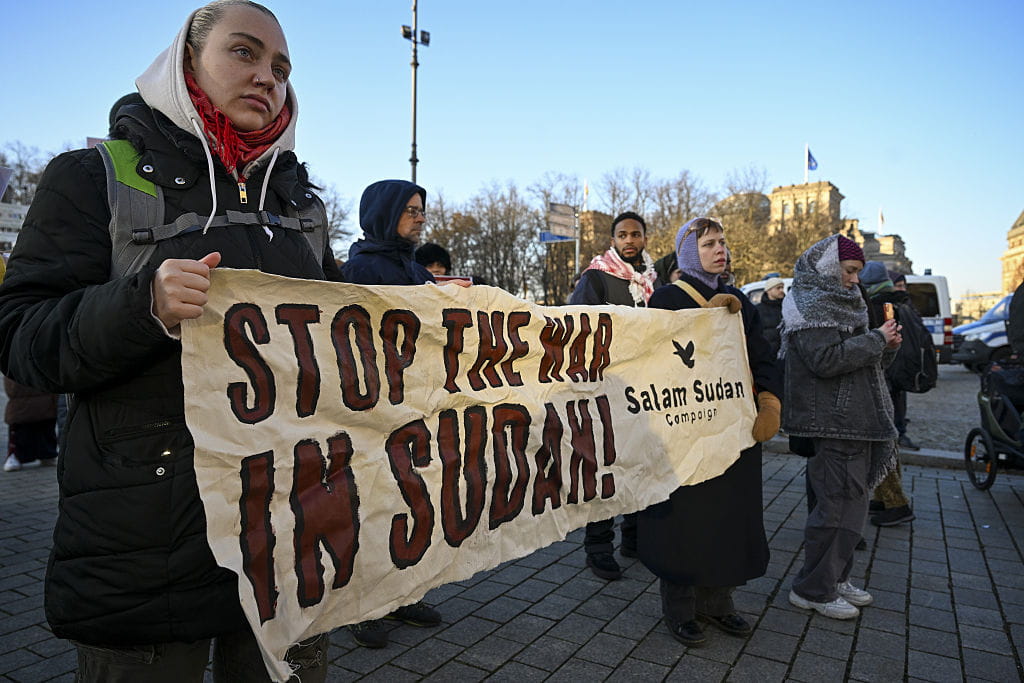
Sudan’s civil war has spiraled into a large-scale humanitarian disaster, displacing millions, wrecking cities, and testing global and regional responses amid competing military forces and foreign interests.
Lost amid a crush of global geopolitical disasters, the African country is embroiled in a tragedy of enormous proportions. The fighting has turned towns into battlegrounds, hospitals into ruins, and neighborhoods into graves. Civilians carry the brunt of a conflict that shows no meaningful sign of slowing.
The main combatants are the Sudanese Armed Forces and the Rapid Support Forces led by Mohamed Hamdan Dagalo. Urban fighting, artillery strikes, and chaotic checkpoints have made basic movement dangerous and cut off life-saving aid to many communities. Entire families have fled to camps or crossed borders, swelling refugee numbers across neighboring countries.
Hospitals and clinics, already fragile before the war, are overwhelmed or destroyed, leaving people without trauma care, maternal health services, or routine vaccinations. Humanitarian agencies report shortages of clean water, fuel, and food, and the supply lines that once sustained cities have been fractured. The result is a mounting public health emergency on top of the immediate violence.
Markets and farms have been abandoned as civilians escape frontline zones, which deepens the risk of famine and economic collapse. Sudan’s economy, reliant on oil, agriculture, and trade routes, has taken irreversible hits in many regions. The collapse of local commerce means families face food insecurity even when aid arrives, because prices and access have become unattainable.
International responses have been slow and uneven, reflecting competing priorities and limited appetite for intervention. Regional powers and international organizations have issued condemnations and offered aid, but those efforts are often blocked by logistics, insecurity, and political calculations. From a Republican viewpoint, the weakness of decisive leadership and coherent strategy has exacerbated the crisis and allowed armed actors to act with impunity.
Responsibility for civilian protection rests with those who hold power on the ground, yet accountability has been scarce. Reports of mass killings, rape, and forced displacement demand investigations and consequences, and failing to pursue those paths risks normalizing atrocity. Any long-term solution must include mechanisms for justice that deter further abuses and break cycles of reprisal.
Diplomatic options remain narrow but necessary: enforceable cease-fires, protected humanitarian corridors, and pressure from regional partners backed by credible international commitments. The role of neighboring states is crucial, and their cooperation or competition will shape outcomes. At the same time, outside actors should avoid heavy-handed interventions that create new dependencies or feed local grievances.
For Americans watching, the crisis in Sudan underscores the need for clear policy that prioritizes civilian safety and stabilizes key regional relationships. Humanitarian assistance should be ramped up and paired with smart diplomacy that leverages partners on the ground. It is not the time for vague statements; it is the time for coordinated action rooted in firm principles.
The human cost is immediate and stark: families ruptured, medical systems in tatters, and a generation of children facing malnutrition and interrupted schooling. Those consequences will echo for years if stability is not restored and governance reformed. The world cannot treat Sudan as one more distant headline; the crisis requires focused, principled engagement that protects lives and promotes accountability.
Apr 21, 2026

