

Summary: This article examines an incident involving a television co-host and her interaction with police, looking at how professional background, public standing, and expectations of influence shape responses and public debate.
The public noticed when a familiar television personality stepped into a police encounter and invoked her professional past. The moment highlighted the tangled mix of personal history and public life that surrounds anyone who becomes a recognizable face. That mix often shapes how people expect authority figures to react, and how officials handle tense, on-the-spot decisions.
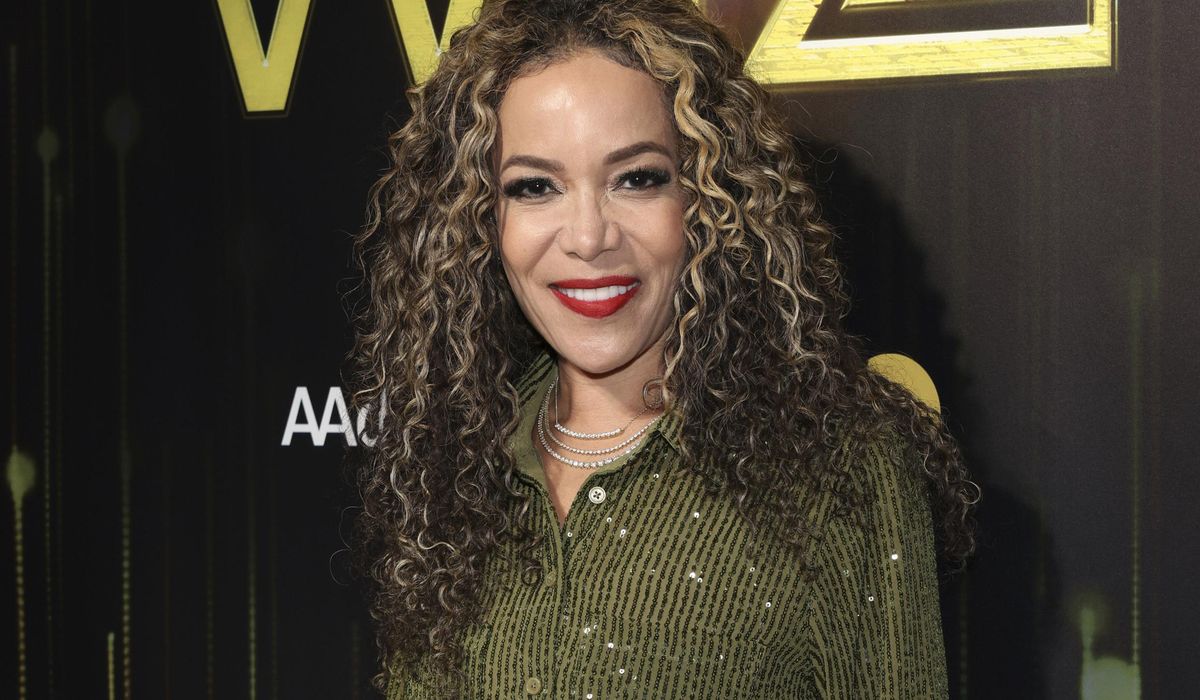
“The View” co-host Sunny Hostin repeatedly invoked her television career and her past as a federal prosecutor while trying to talk police out of citing her son for trespassing on active Metr
When someone calls on their resume during a confrontation with law enforcement, it changes the tone in the room. That kind of appeal can be a bid to de-escalate, a request for leniency, or a way to remind officers that the person has experience with the system. Observers debate whether it’s an appropriate tactic or an attempt to use status to avoid consequences.
Law enforcement officers face split-second decisions and have to balance procedure, safety, and public perception. They operate under training and departmental guidance that prioritizes clear rules in public spaces. The optics of handling a well-known figure differently can erode trust, even if the officer believes they are applying rules evenly.
On the other side, public figures often assume scrutiny will be intense and expect every interaction to land in the court of public opinion. For someone who spent years in federal prosecution, invoking that background can signal knowledge of legal thresholds and a request for careful judgment. It can also suggest confidence that the law will be interpreted in a particular way.
The dispute over influence and fairness is not new. People who work in or alongside the justice system tend to carry that authority with them, intentionally or not. That authority can be persuasive in conversation, but it does not change legal definitions or evidence needed for an official citation.
Citizens and civil libertarians raise valid questions about who receives differential treatment, and why. If a high-profile appeal results in a different outcome, the perception lingers that fame or connections carry weight. That perception can undermine efforts to treat all people equally under the law, regardless of background or occupation.
Police departments must also worry about precedent and consistency. Officers who bend rules for one person risk creating expectations for special treatment in future encounters. Departments try to avoid arbitrary decisions by relying on written policy and supervisory review, which helps preserve accountability in day-to-day policing.
Conversely, some argue that officers should exercise discretion to prevent unnecessary entanglement with the justice system. Issuing a citation for a minor trespass can escalate into bigger problems, and discretion provides a pragmatic tool to keep incidents low-stakes. The problem is finding a fair, transparent standard for exercising that discretion.
Media coverage amplifies these moments and accelerates the debate. Short clips and headlines condense nuance into sound bites, making it easy to jump to conclusions about motives on both sides. A fuller look at the facts, policies, and follow-up procedures often gets lost amid the immediate commentary.
When public figures engage with police, there’s an extra layer of responsibility on everyone involved. The person seeking leniency has to accept that invoking status will be scrutinized, and the officers must consider whether following policy or showing compassion best serves public trust. Neither choice is free of consequence.
Ultimately, incidents like this provoke broader conversations about fairness, accountability, and how society balances law with common sense. They push communities to ask how rules should apply in public spaces and who gets to influence enforcement. Those conversations matter because they shape expectations about justice and equality going forward.

