

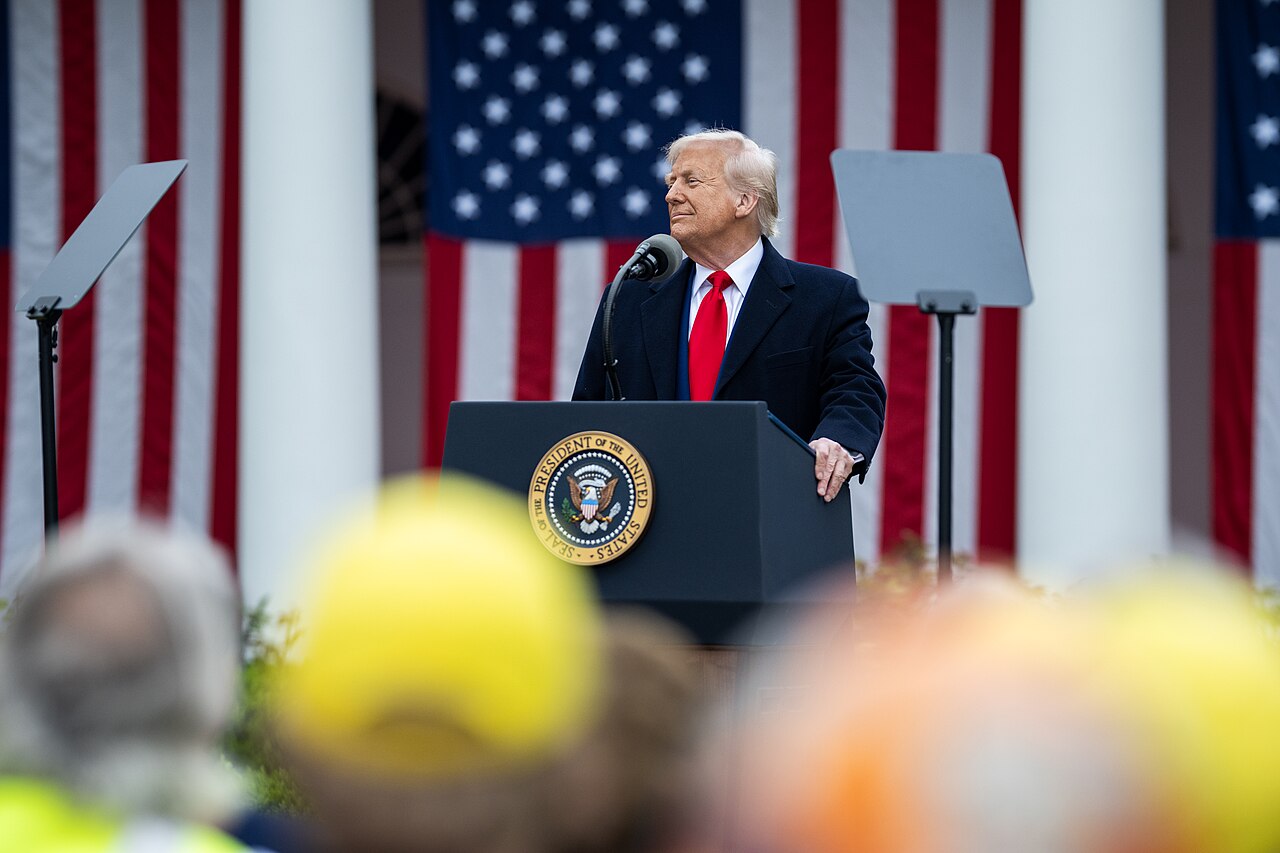
The Supreme Court rejected President Trump’s use of an emergency economics law to impose tariffs in Learning Resources, Inc., et al v. Trump, but that decision does not eliminate other legal or political routes for pursuing trade measures.
The high court’s decision in Learning Resources, Inc., et al v. Trump drew a clear line around one method of imposing tariffs, and it will change the playbook for anyone in the White House who wants to act quickly on trade. Conservatives who favor robust border and trade enforcement see the ruling as a challenge, not a full stop. The question now is how to wield remaining authorities without tripping the same constitutional issues the justices identified.
First, remember that the president still has a range of tools tied to established trade statutes and executive authorities, even if one emergency route is off the table. Congressional cooperation looks more important than ever, because clear statutory mandates are harder to overturn in court. That reality pushes the administration toward either working with lawmakers to secure durable authority or using existing trade laws that have withstood scrutiny in the past.
Politically, the decision hands Republicans a talking point and a task: defend the goal of protecting American industry while arguing for proper legal procedures. Voters who backed tougher trade policies want results, not legal theater, so the message should be simple and direct—protect jobs, defend security, follow the law. Framing matters; insistence on strong trade tools will play well with the base if coupled with credible plans that respect the rule of law.
Legally, the ruling signals that broad emergency claims face a skeptical court when used to alter economic policy at scale. Future presidents will need cleaner statutory hooks or fresh legislation tailored to modern trade challenges. That is an opportunity for Congress to step up and pass targeted authority that explicitly balances national security, economic impact, and protection for American workers without inviting protracted litigation.
From an economic perspective, tariffs are blunt but effective levers when properly applied. They can bring supply chains back onshore, push companies to invest domestically, and level an uneven playing field when trading partners ignore rules. Smart conservatives should argue for targeted measures that defend critical industries and national security supply chains rather than unfocused, sweeping tariffs that hit consumers and allies indiscriminately.
A pragmatic path forward blends executive action within established trade law, targeted use of safeguards and countervailing duties, and new legislation where gaps exist. That mix reduces legal exposure and gives businesses clearer rules to follow. It also enables negotiating leverage in talks with trading partners, since complainants know the U.S. response has a credible legal foundation rather than a contested emergency claim.
On messaging and political strategy, Republicans should make a simple case: legal process matters, but so does protecting American workers and industry from unfair competition. Emphasize results—factory openings, investment pledges, and stronger supply chains—while calling for congressional fixes that lock in durable authority. This approach avoids sounding weak while demonstrating respect for separation of powers.
The decision in Learning Resources, Inc., et al v. Trump does not eliminate the desire or the need to address unfair trade practices; it reshapes the avenue. Expect new legislative drafts, sharper use of existing statutes, and quicker coordination between the White House and Capitol Hill. Courts will still play a role, but smart policy and clear law will keep the federal government in the driver’s seat when defending American economic interests.

