

The Supreme Court undercut President Trump’s first tariff strategy but left language that preserves significant presidential authority, and Trump moved quickly to another legal route to protect American industry.
The Supreme Court may have ruled against President Donald Trump’s first choice for validating his tariffs, but he wasted no time in pivoting to his plan B. The president focused on the Court’s language that suggested he retains the authority to impose higher duties than those applied in the previous year under the statute he invoked. That nuance mattered to the administration and to firms watching protectionist policy and global supply chains. For Republicans looking for assertive trade policy, the ruling was a setback mixed with opportunity.
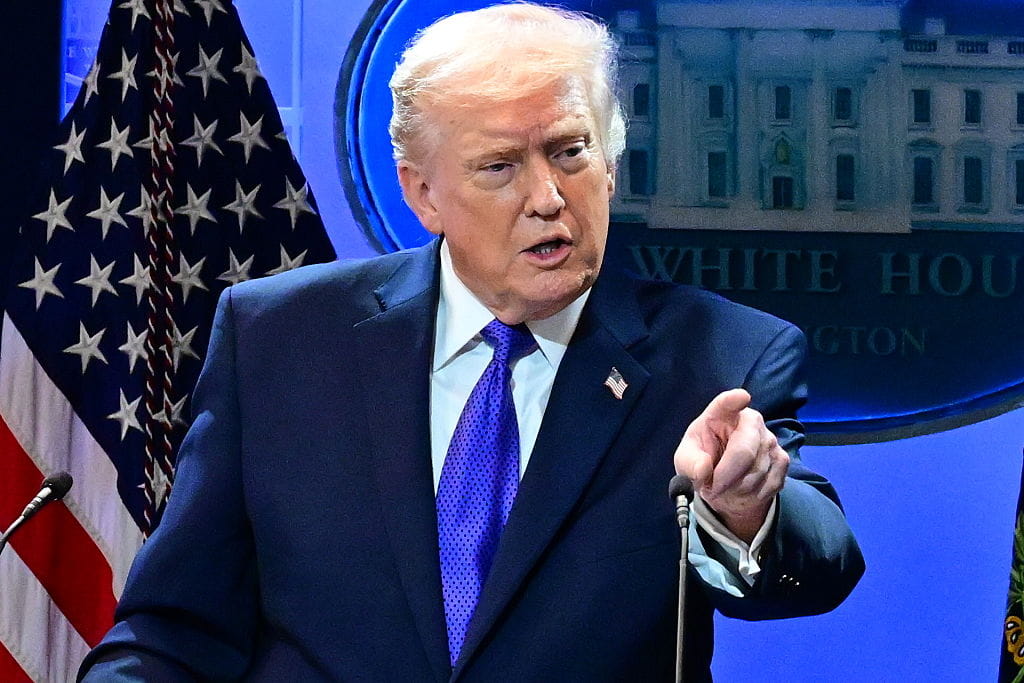
Trump’s response at a recent press conference emphasized action over legal limbo and framed the shift as a natural step for a president protecting American jobs. He argued that when the courts narrow one avenue, the executive can explore others that still fall within the constitutionally assigned power over commerce and national security. This approach appeals to voters who expect the president to use every lawful tool to rebalance trade. It also signals to foreign producers and trading partners that Washington intends to keep pressure on unfair practices.
The pivot involves leaning into alternative statutory authorities and administrative measures that give the president levers to adjust tariffs, quotas, and enforcement priorities. That can include tighter enforcement of existing trade laws, targeted duties on specific products, and new regulatory steps that raise the cost of dumping or subsidized imports. Each tool has different legal footprints and political consequences, but together they create a menu of options for defending U.S. industry. Republicans see this as pragmatic governance, not legal evasion.
Behind the scenes, the administration is expected to coordinate with Commerce and Treasury officials, customs authorities, and industry stakeholders to sharpen the legal record for any new measures. That coordination helps produce tailored policies that are more likely to survive judicial review and to achieve economic goals. It also gives policymakers time to gauge market responses and avoid sudden disruptions to supply chains. For businesses, clarity about the administration’s plan B reduces the shock of abrupt, broad measures and opens the door to negotiation.
Political messaging matters as much as legal strategy, and the president used his platform to make the case that tariffs protect national security and American manufacturing. That argument resonates with voters who support tough stances on China and other trading partners. Framing tariffs as a tool of national defense shifts the conversation away from partisan bickering and toward concrete outcomes like job retention and higher domestic investment. Republicans argue this is a legitimate presidential function in an era of strategic competition.
Critics warn that aggressive tariffs can invite retaliation and raise consumer prices, and the administration acknowledges those risks while prioritizing industrial resilience. The pivot to narrower or more defensible measures is partly an effort to calibrate those trade-offs. By targeting specific sectors and documenting injury or subsidy practices, policymakers hope to limit blowback and preserve political support. The administration’s willing posture aims to force trading partners to negotiate rather than escalate.
On Capitol Hill, Republican allies are likely to press for clearer statutory authority or supportive legislation that reinforces the executive’s ability to act swiftly. Lawmakers often prefer to codify tools they favor to reduce uncertainty and to share responsibility for contentious measures. That could mean hearings, bills to shore up trade enforcement, or bipartisan carrots and sticks for supply chain reshoring. For Republicans, legislative backing strengthens the long-term durability of trade policy beyond any single presidency.
The markets and industry groups are watching for details: which goods will be targeted, how long duties will last, and what relief mechanisms will exist for affected firms. Firms that rely on imported components look for carve-outs or phased approaches that preserve competitiveness. Manufacturers that compete with subsidized foreign producers want robust enforcement and predictable remedies. The administration’s plan B aims to strike a balance between urgency and legal defensibility.
Ultimately, the Court’s decision narrowed one legal pathway but did not eliminate presidential influence over trade policy, and the White House moved fast to exploit remaining options. That quick shift underscores the administration’s commitment to protecting domestic industries and preserving leverage in trade negotiations. For Republicans favoring assertive economic statecraft, it shows that a setback in one forum can be turned into a renewed push elsewhere without abandoning core goals.
Whether the new measures will achieve the balance the administration seeks remains to be seen, but the strategy reflects a broader Republican priority: use all lawful means to defend American workers and industry. The coming weeks will reveal how plan B is implemented and how effectively it pressures trading partners to play fair while limiting harm to U.S. consumers and supply chains.

