

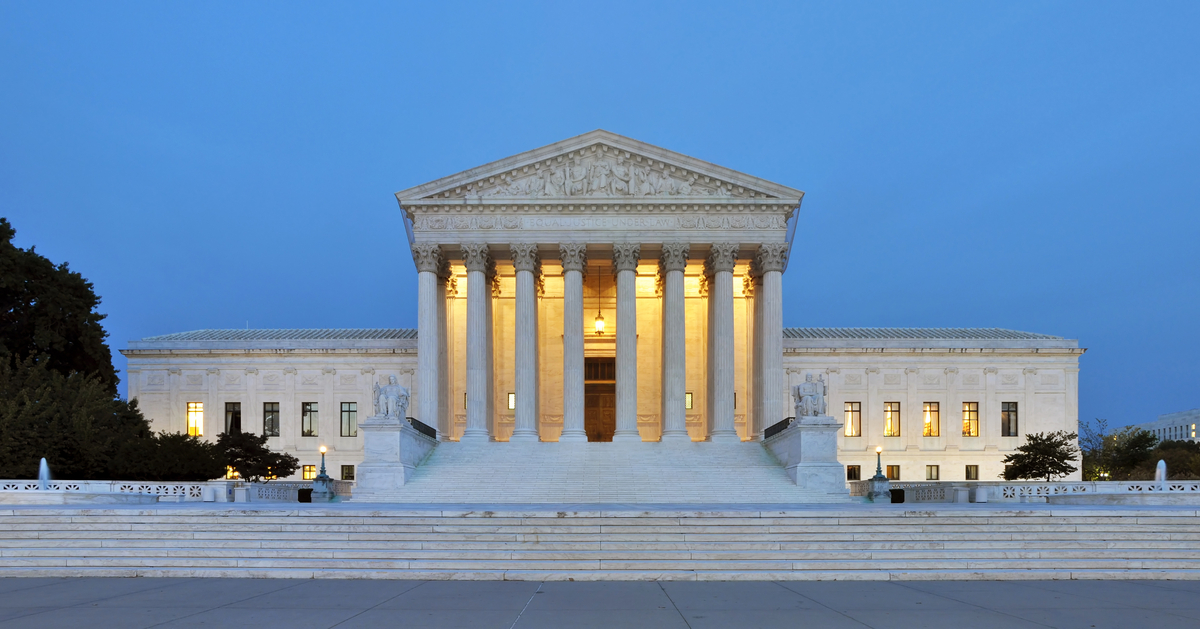
The Supreme Court will hear arguments in spring over President Donald Trump’s January 20 executive order that limits automatic birthright citizenship to children with at least one U.S. citizen or legal permanent resident parent, after lower courts issued nationwide blocks and appeals set the stage for a final decision expected by June’s end.
The issue has landed squarely at the Supreme Court, and the timing matters: the justices agreed to hear the case in the spring with a decision anticipated by June’s end. This executive order changed a decades‑long practice by specifying that only children with at least one citizen or lawful permanent resident parent qualify for automatic citizenship. That move has sharpened debate over how the 14th Amendment should be read in the modern era.
Before the high court stepped in, lower courts issued setbacks for the administration. On July 10 a New Hampshire court blocked the order after a class-action suit representing children of foreign nationals challenged it. Then, on July 23, the Ninth Circuit put a nationwide injunction in place after a coalition of Democratic-led states sued to prevent inconsistent rules across jurisdictions.
Those rulings didn’t settle the constitutional question, though; they only delayed the policy from taking effect. The Supreme Court’s prior limits on nationwide injunctions complicated matters, but did not eliminate the possibility of broad relief in class-action or state-led cases. Now the justices will tackle the central legal dispute head on in Trump v. Barbara.
The administration argues the order reflects a faithful textual and historical reading of the 14th Amendment, asserting that children of parents unlawfully or temporarily in the United States are not “subject to the jurisdiction” in the sense the drafters intended. That position turns on how narrowly to read a clause adopted after the Civil War and whether its original purpose was confined to newly freed people and their descendants.
Solicitor General D. John Sauer put it bluntly: “The Fourteenth Amendment’s Citizenship Clause was adopted to grant citizenship to newly freed slaves and their children — not … to the children of aliens illegally or temporarily in the United States.” That exact line will be replayed in briefs and oral arguments as the court decides whether historical purpose or modern practice controls.
President Trump has framed the policy as a response to what he calls “birth tourism,” where some foreign nationals travel to the United States to give birth so their child receives citizenship by birth. Conservatives say this practice exploits a loophole and that executive action can address real policy harms when Congress has not acted. Critics counter that altering birthright citizenship by executive order risks a dangerous constitutional overreach.
The political stakes are high and align with predictable partisan lines. Twenty-four Republican-led states and 27 GOP lawmakers, including high-profile senators, have backed the administration’s position in court. On the other side, opponents insist the text of the 14th Amendment is straightforward: being born here confers citizenship, and changing that should be the work of Congress and the people, not an executive memo.
Until the Supreme Court rules, the order remains blocked nationwide and no changes to citizenship rules have taken effect. That legal pause keeps the status quo intact while the justices weigh whether an executive action can alter a constitutional guarantee and, if so, under what limits. Observers expect a contentious argument schedule and sharp questioning from justices across the ideological spectrum.
This case will do more than parse grammar. It will decide how much weight the Court gives to historical context versus contemporary consequences, and whether an executive can reshape a foundational citizenship rule. For many conservatives, it is an opportunity to curb perceived incentives that draw people here for the sole purpose of securing a benefit for their offspring, while opponents fear a precedent that chips away at a constitutional promise.
Whatever the outcome, Trump v. Barbara is poised to be a landmark ruling with effects beyond any single presidency. The Supreme Court’s decision will affect immigration policy, administrative power, and interpretations of the 14th Amendment for years to come. The country is watching as the high court prepares to resolve a dispute that mixes legal history, political anger, and questions about national identity.

