

Quick summary: A skeptical look at a fresh political performer whose style echoes national Democrats, questioning whether optics and imitation are standing in for substance.
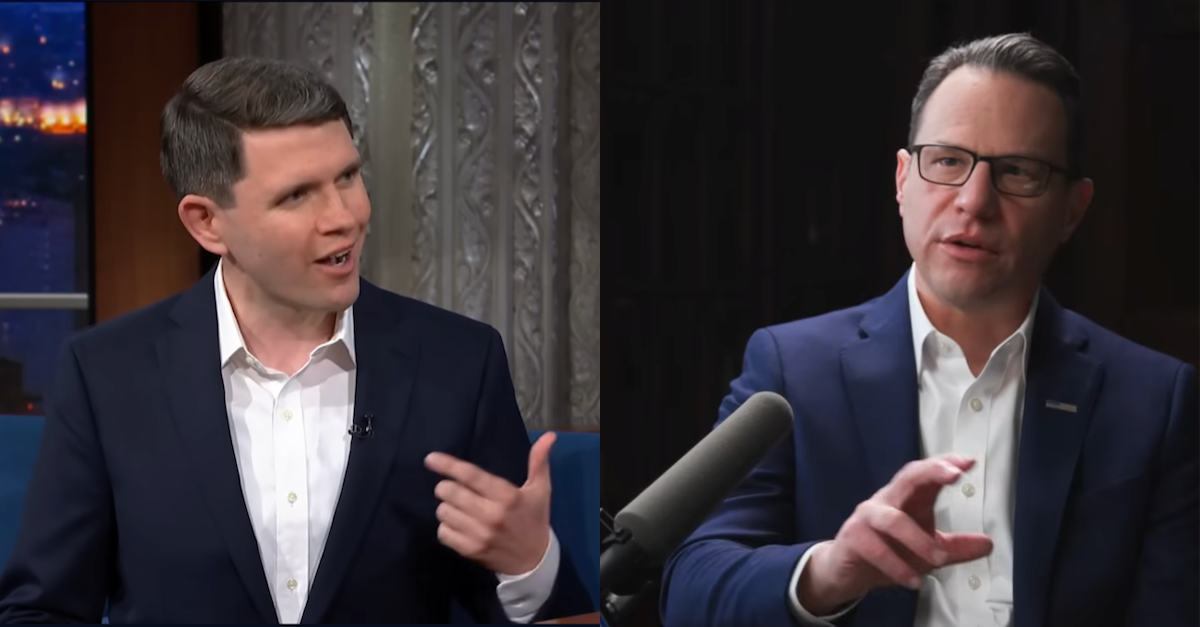
“After hearing the name “James Talarico” for several weeks, I finally got my first visual and audio impression of him, and it’s the same one I had when I first saw Democrat Pennsylvania Gov. Josh Shapiro speak: Does he know that we know he’s doing an Obama impersonation? It’s truly awe-inspiring to watch a presumably […]” That moment sticks because it captures a broader pattern in modern Democratic politics: style often precedes clarity. Voters should notice how much theater can mask policy vagueness.
Watching a politician perform like a familiar national figure is not a compliment. It signals a reliance on borrowed charisma instead of original ideas, and that’s a problem for voters who care about independent judgment. From a conservative viewpoint, that performance shows how the left recycles branding while avoiding hard questions about results.
Body language, cadence, and carefully chosen phrases get amplified by friendly media, so the impression matters more than ever. When an aspiring leader leans into a national template, the risk is predictable: they become a vessel for party orthodoxy rather than a thinker with local solutions. Republicans see that as an invitation to contrast record and practicality rather than trade polished speeches.
What matters beyond the imitation is the record and the plan. Voters deserve specifics about education, taxes, public safety, and economic growth, but polished appearances often reduce those debates to talking points. That’s why conservatives push for concrete proposals and real metrics over soundbites and affect.
Campaign rallies and media bites can hide contradictions, and I’ve seen it play out where charisma covers for lack of detail. The smarter move for opponents is to press for specifics—budget numbers, timelines, policy mechanics—not to get baited into personality battles. Exposing substance gaps is how a campaign loses its gloss and faces scrutiny.
There’s also a lesson for voters who prize authenticity. A well-rehearsed persona might be effective on camera, but it’s thin cover for ideology that affects everyday life. Republicans argue that outcomes—safe neighborhoods, stronger schools, restrained taxes—matter more than the perfect delivery of a speech landing the applause line.
This trend toward nationalized persona politics matters because it shifts control away from state-level accountability. When a candidate mirrors national figures, accountability becomes diffuse—blame is spread across party talking points rather than pinned to concrete choices. That’s why conservative messaging emphasizes clear responsibility for policy effects at the state and local level.
Another angle is the media’s role in amplifying these performances. Favorable outlets are quick to celebrate the familiar cadence or the likable tone while downplaying unanswered questions about governance. From a Republican perspective, independent scrutiny is essential to make sure voters aren’t persuaded by charisma alone.
Practical politics still beats polished mimicry at the ballot box when voters are paying attention. Encouraging debates with specific, measurable policy contrasts forces a campaign to reveal whether it’s substance or simply stagecraft. Conservatives aim to keep the focus on outcomes that affect families and businesses, not on the latest imitation of a national figure.
At the end of the day, people respond to authenticity and results, not just a neat performance. If a candidate leans on a practiced national persona, it’s fair to ask whether they are leading or following a script. Voters deserve leaders who can stand on their own ideas and be judged on the real impact of their choices.

