

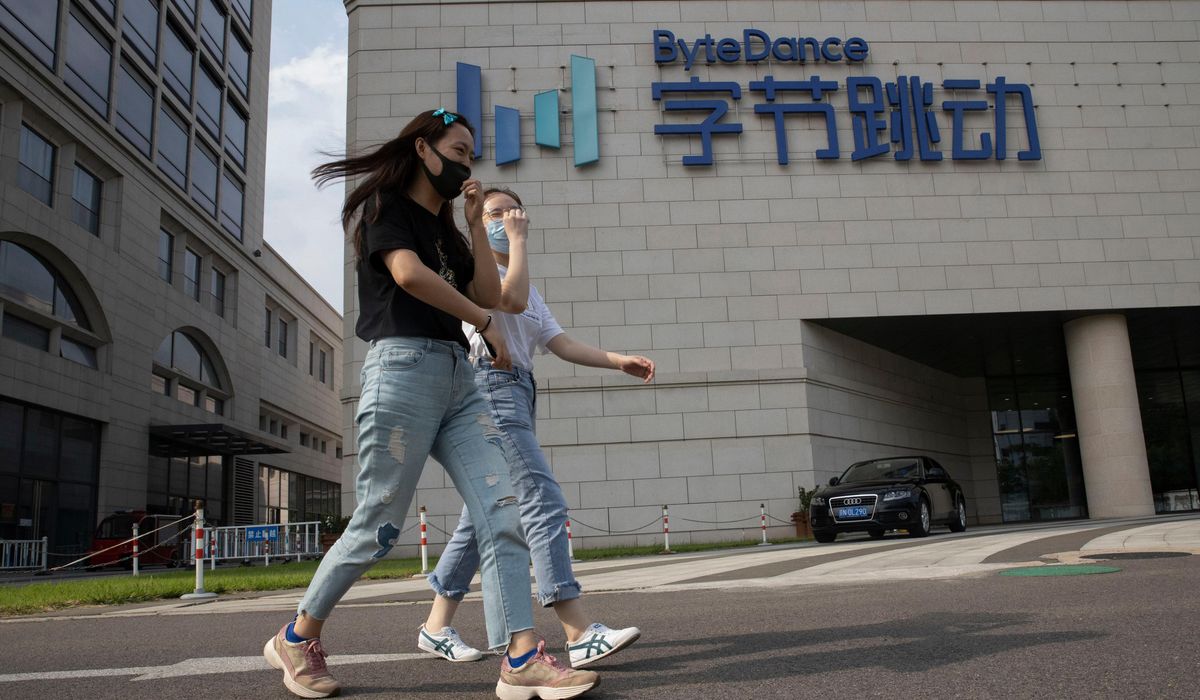
A new artificial intelligence video generator from Beijing-based ByteDance, the creator of TikTok, has kicked off a sharp backlash from Hollywood organizations that claim Seedance 2.0 “blatantly” violates creative and legal norms, sparking urgent questions about copyright, performer rights, and the limits of AI in visual storytelling.
Seedance 2.0 arrived with a lot of buzz, promising fast, high-quality video generation that could change how studios and creators prototype content. The tool’s arrival set off immediate concern among industry groups who believe it crosses a line when it comes to using existing films and performances as training material. That clash between hype and protection is now playing out publicly and will likely shape how these systems are used going forward.
Several Hollywood organizations have been vocal about their objections, describing the system as ignoring established rights around performance and intellectual property. They argue Seedance 2.0 undermines negotiated agreements that protect actors, writers, and other contributors whose work fuels the industry. Those groups say the generator “blatantly” violates norms and could erode revenue streams that support ongoing production and employment.
At the heart of the dispute is the opaque way many AI tools are trained, often on vast datasets pulled from online content with little transparency. Rights holders worry that videos, movies, and recorded performances could be mined to teach models to recreate likenesses, styles, or entire sequences without consent or compensation. That potential raises complex copyright and personality-right questions that courts and regulators have only begun to confront.
Beyond legal theory, creators and crew are looking at concrete economic effects. If studios or independent producers can generate realistic scenes without hiring performers, many jobs could be affected, from background actors to visual effects artists. The concern is not just about replacement but about undermining bargaining power and longstanding labor agreements that structure pay and credit.
Seedance 2.0 also presents a technical challenge: how to distinguish between original creative input and AI-generated output that borrows from prior works. Developers tout tools like this for speed and creative assistance, yet those same efficiencies can mask the origins of imagery and performance styles. That ambiguity complicates licensing, attribution, and the ability for creators to control how their work is reused.
Calls from industry bodies include demands for clearer disclosure about training sources, enforceable opt-outs for artists, and stronger safeguards like watermarking or usage logs that trace how generated footage was produced. Many advocates want mandatory licensing frameworks so companies cannot leverage others’ work without negotiation and payment. These proposals aim to preserve a market where rights are respected while still allowing technological progress.
Regulators and courts will likely play a bigger role as the debate continues, but for now the issue is also political and practical: international companies like Beijing-based ByteDance operate across borders, and legal outcomes in one country may not protect creators elsewhere. That global aspect increases pressure on platforms to adopt standards voluntarily, because a patchwork of rules could leave rights holders exposed and creators uncertain about enforcement.
Negotiations, litigation, and policy action seem inevitable, and stakeholders on both sides know the stakes are high. Innovators see tools like Seedance 2.0 as transformative for storytelling workflows, while unions and studios see potential harm to livelihoods and to the integrity of artistic creation. The next moves will shape whether such systems become collaborative aides under clear rules or engines of disruption that provoke stronger legal and contractual remedies.

