

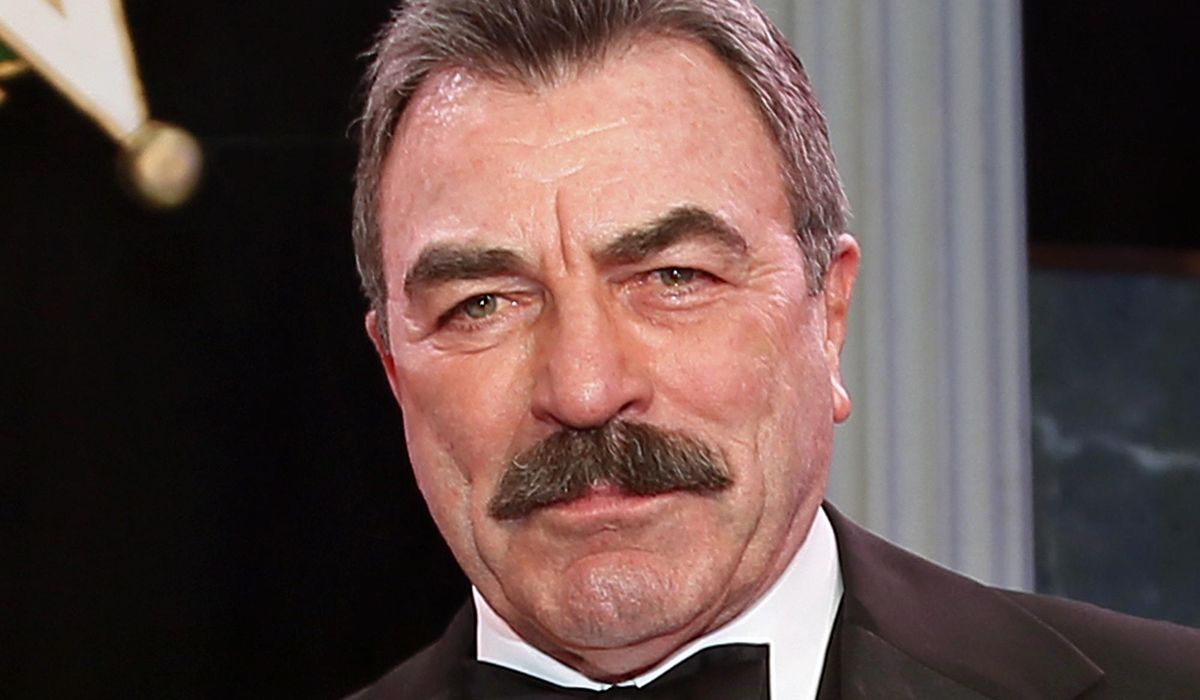
Tom Selleck has been a steady presence on screen for decades, known for clear delivery and a composed public face. He built a career around roles that resonate with broad audiences, and he has chosen a particular approach to how he handles politics in public life. That approach reflects a trade-off between personal expression and professional reach.
TOM SELLECK: “I stay out of the current political world. Why piss off half the country when you’re in the business of entertaining people?” That line cuts to the core of his thinking: keep the focus on craft and on the audience, not on divisive public debate. It’s a practical calculation about maintaining a connection with as many viewers as possible.
Actors often face pressure to weigh in on political matters, and responses run the gamut from outspoken activism to deliberate silence. Selleck’s choice sits with those who prioritize staying neutral so their art can land without a political filter. This stance is not about lacking conviction; it’s about choosing the arena in which to act.
There are benefits to that choice beyond simple reputation management. Staying apolitical in public can preserve opportunities across networks and studios that might otherwise shrink if an artist becomes closely tied to a partisan cause. For some performers, that neutrality supports a longer, more varied career.
Critics argue that public figures have a platform and a duty to speak up on important issues, especially when injustice or threat to civic institutions arises. Supporters of Selleck’s approach counter that expertise matters—acting is not governing, and expertise does not automatically follow celebrity. Each side sees a different kind of responsibility.
Audiences also vary widely in what they expect from entertainers. Some want stars to reflect their own values, while others prefer their actors to be companions to escape, not counselors on policy. That mismatch in expectations explains much of the heat when celebrities do take a stand.
For practical purposes, entertainers who avoid politics can remain relatable to a broader swath of people, including those with opposing viewpoints. That broader appeal can translate into steady ticket sales, syndication success, and recurring roles across genres. Selleck’s career illustrates how consistency and reliability can be central to longevity in show business.
On the other hand, choosing silence isn’t a neutral act in the eyes of everyone. In times of crisis, staying quiet can be read as complicity or indifference, and that perception can cost trust with some segments of the public. Even deliberate noninvolvement requires judgment about when silence becomes harmful.
There’s also a middle path many artists adopt: support issues privately or through targeted philanthropy rather than public political commentary. That approach allows them to act without turning broader projects into battlegrounds. It keeps the public persona uncluttered while still contributing to causes they care about.
Whatever path a performer chooses, the underlying tension is the same: balancing the rights of an individual to express personal beliefs with the realities of a business that depends on audience goodwill. Celebrities like Selleck show one way to navigate that tension—favoring craft and wide appeal over public political engagement.
It’s worth remembering that these decisions are personal and strategic, not universal rules. Different careers, audiences, and historical moments demand different choices, and the consequences can be unpredictable. What stays consistent is that entertainers must answer for how their choices affect both their work and their public standing.

