

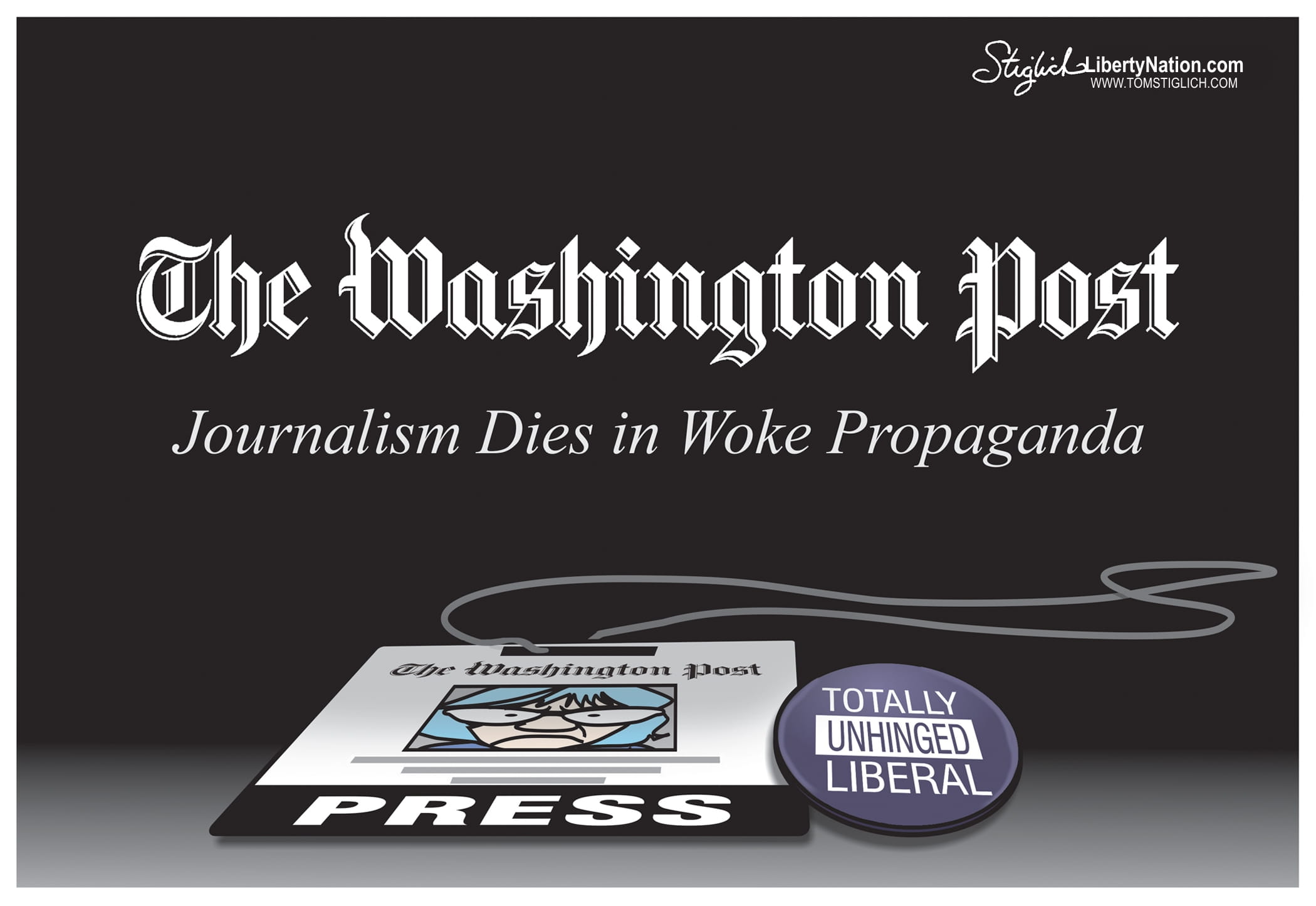
Short, sharp look at why conservative cartoons matter and how a daily dose of satire shapes political conversation
Conservative cartoons are a staple for many who want a quick, pointed take on politics and culture. They pack argument, wit, and critique into a single image, and they do so in a way that sticks in people’s heads long after a headline fades. Fun conservative cartoons daily.
Cartoons work because they simplify complex issues without softening the point. A well-drawn panel can expose contradictions, highlight hypocrisy, or make an argument about policy faster than paragraphs of analysis. From budget fights to cultural debates, cartoons translate big ideas into memorable visuals that voters actually share.
For Republicans, these cartoons are not just entertainment; they’re a communications tool. They give conservative voices a crisp, shareable message that competes with mainstream media narratives. When the press misses context or leans into partisan framing, a cartoon can cut through with humor and clarity that resonates with base voters and persuadable independents alike.
Daily production keeps the message current and relentless in a positive way. Consistency turns cartoonists into commentators who set the tone of the day for busy readers. Seeing the same perspective repeatedly builds familiarity and trust, which are powerful in politics where perception matters as much as policy.
Satire also builds community among readers who see the world the same way. Shared jokes and recurring characters create a sense of belonging without heavy-handed messaging. That social glue helps conservative outlets maintain loyalty, drive engagement, and amplify viewpoints across social platforms and group conversations.
Cartoons can be sharper and bolder than other forms of political expression because they operate in the space between humor and outrage. They can mock a poorly thought-out policy, ridicule inflated rhetoric, or lampoon media double standards—all while staying punchy. That edge is useful for energizing supporters and exposing opponents’ weak spots in a format that’s easy to consume.
Creators who do this daily learn to balance craft with commentary. Timing matters: the right gag right after a major event has more punch than a clever idea a week late. Cartoonists are tuned to news cycles, cultural moods, and the kinds of shorthand that stick in an audience’s memory, which makes daily cartoons a strategic asset, not filler.
Freedom of expression is central to this work, and conservatives rightly emphasize the need to protect it. Political cartoons have a long tradition in American discourse, and they remain a legitimate way to challenge authority and influence debate. The fight over who gets to satirize whom is fundamentally about who controls the narrative, and conservatives are rightly vigilant about keeping their voice loud and clear.
Not all cartoons land, and some cross lines that spark controversy. That’s part of the landscape; satire will always push boundaries. The smart approach is to aim for sharpness without sacrificing credibility—curb cheap shots that undercut the message and favor cleverness that strengthens it.
Daily conservative cartoons remain a compact, effective way to shape public opinion, rally supporters, and puncture opposing claims. They are quick to consume, easy to share, and capable of crystallizing complex debates into a single, hard-hitting image. For anyone tracking the political conversation, that kind of consistent, visible messaging matters.

