

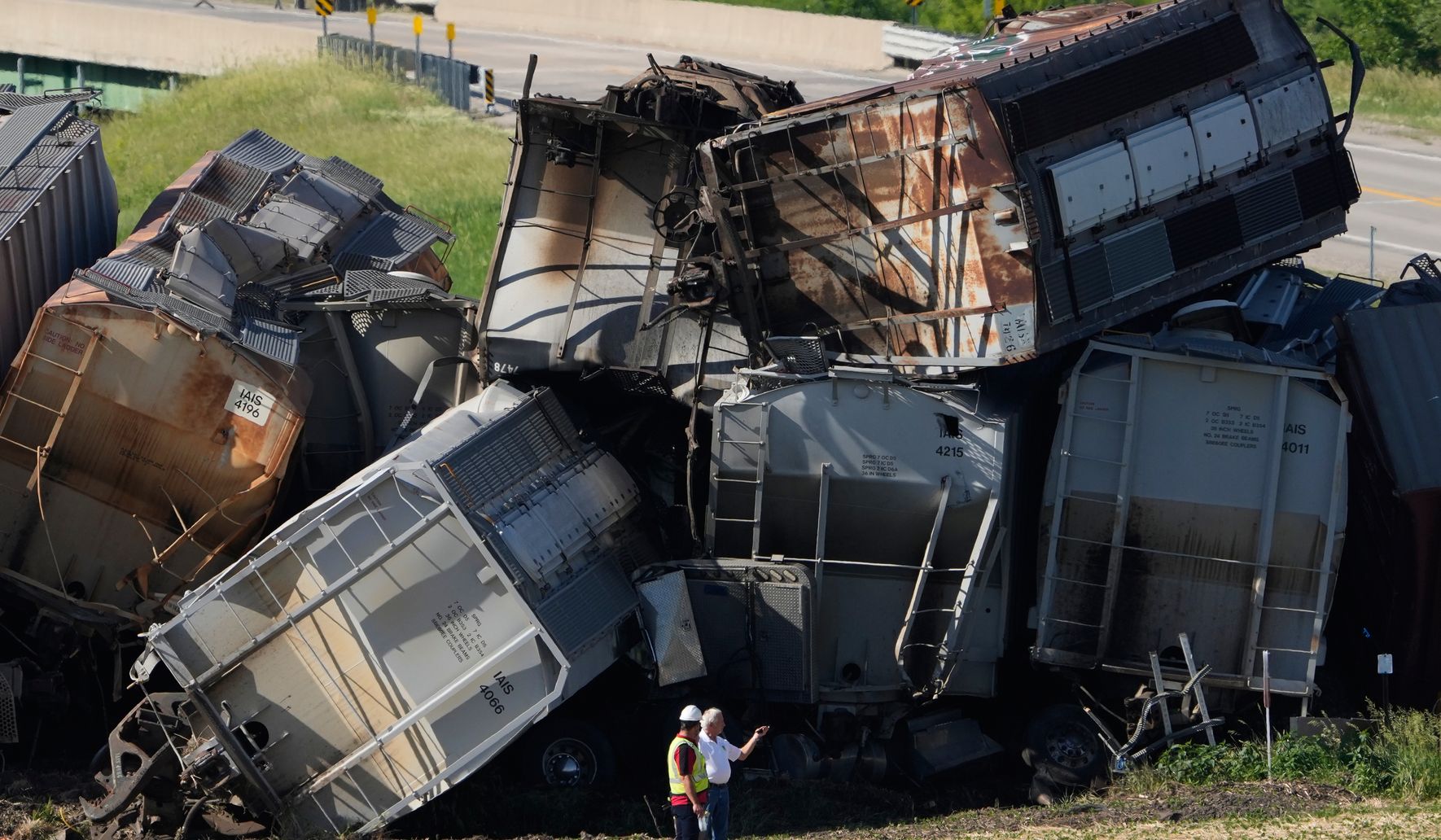
A train struck a semi-truck in eastern Iowa on Wednesday, killing one person and injuring another, authorities said.
The collision unfolded at a grade crossing in eastern Iowa and left a local community shaken, with emergency crews responding quickly to secure the scene and care for the injured. Officials confirmed one fatality and one person transported for treatment, and the area remained closed while investigators worked. Neighbors described a sudden, loud impact and the immediate arrival of multiple response units.
Witnesses reported seeing the semi-truck near the tracks moments before the crash, and several bystanders offered help until first responders arrived. Traffic was rerouted and local roads saw delays as crews cleared debris and documented the wreckage. The visible damage at the crossing underscored how fast a routine road-rail encounter can turn deadly.
Emergency crews prioritized life-saving measures and scene safety, isolating hazards like leaking fuel and unstable equipment before allowing investigators to begin their work. Medical personnel treated the injured on site before deciding on transport to a medical center for further care. Fire and rescue units also worked to secure the train and truck to prevent any secondary incidents.
Investigators will focus on the crossing itself, the timing of signals, the position of the truck, and the train’s speed and braking before impact, all standard elements in these inquiries. Collecting data from the locomotive’s event recorder, interviewing witnesses, and examining vehicle marks are routine steps to piece together what happened. Authorities typically withhold many details early on to avoid compromising the investigation.
Grade crossing incidents combine elements of highway and rail safety, and each crash prompts questions about visibility, signage, and driver behavior in the seconds before impact. Long-haul drivers, rail operators, and local officials often cite situational awareness as a critical factor in preventing collisions. A single misjudgment at a crossing can have irreversible consequences for drivers, passengers, and rail crews.
Communities alongside rail lines know the potential risks and also the economic role of freight movement, so tensions can run high after an accident that brings traffic disruption and public concern. Local leaders typically coordinate with rail companies to assess whether crossings need upgrades or if additional safety measures like gates or clearer signage are warranted. Those discussions tend to accelerate after an incident, even as formal findings are still pending.
For family members and neighbors, practical questions come first: who will need assistance, how long will road closures last, and what support will be available for those affected. Volunteer groups and local agencies often step in to help with short-term needs while authorities manage the technical and legal aspects of the aftermath. The human side of such events lasts long after the wreckage is cleared and the official reports are written.
While this crash will go through the standard investigative and reporting process, it also serves as a reminder that interactions between trucks and trains require caution and respect for the shared space at crossings. Authorities encourage drivers to approach crossings with reduced speed, to obey signals, and to avoid risky maneuvers when they see an approaching train. Preventing future tragedies relies on clear infrastructure, attentive operation, and prompt, coordinated emergency response when accidents do occur.

