

The Trump administration on Thursday announced additional steps to fight an alarming Ebola outbreak in Africa and prevent cases from reaching U.S. shores. This piece explains what those steps mean, how they fit into broader public health and border policy, and why decisive federal action matters to keep Americans safe. It lays out the practical priorities moving forward and the role of partners at home and abroad.
The Trump administration on Thursday announced additional steps to fight an alarming Ebola outbreak in Africa and prevent cases from reaching U.S. shores. Officials framed the measures as a mix of containment, screening, and support to affected countries. That approach aims to blunt the outbreak where it started and reduce pressure on domestic health systems.
At its core the plan combines faster detection with tougher travel safeguards and more aid to local response teams. Screening travelers, improving diagnostics, and prepositioning supplies are all part of stopping the virus before it crosses borders. From a Republican point of view this is a commonsense blend of public health and secure borders to protect our communities.
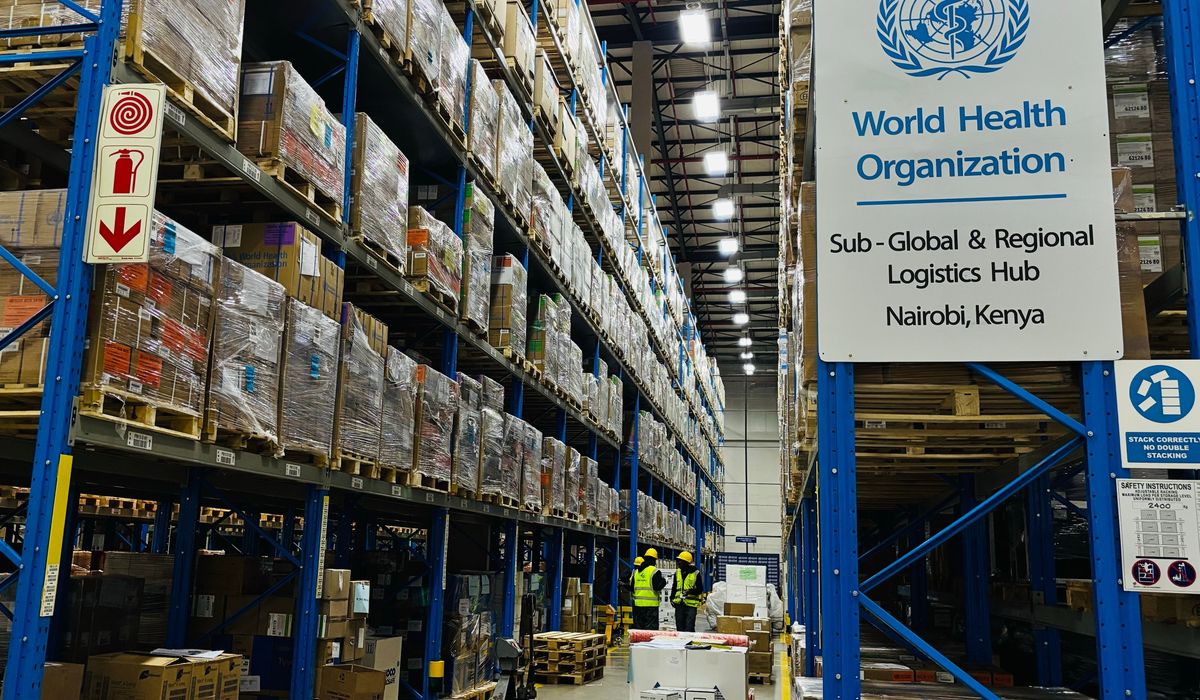
Federal agencies are being directed to coordinate more tightly with partners on the ground in Africa, including regional health authorities and international groups. Rapid response teams, lab support, and logistics help local clinics isolate cases and trace contacts. The goal is to remove any breeding ground for the virus so it never becomes a sustained risk for Americans.
Domestically the plan emphasizes readiness at ports of entry and in hospital systems. Screening protocols at airports and seaports are being sharpened to detect symptoms and flag high-risk travelers for further evaluation. Hospitals and public health departments are being urged to refresh their isolation procedures and testing capacity so they can act immediately if a suspected case appears.
There is also an emphasis on materiel and manpower. Stockpiling essential protective gear and rapidly deployable medical equipment reduces the chance that first responders are exposed. Trained teams who can be sent quickly to assist in the field make containment realistic instead of aspirational. Republicans favor ensuring those teams have clear missions, fast funding, and the operational authority to move without bureaucratic delay.
International coordination remains essential because outbreaks do not respect borders. Working with African partners to vaccinate, treat, and educate communities addresses the source of the threat. This administration’s moves aim to pair American resources with local leadership so solutions reflect conditions on the ground and build lasting capacity.
Public communication is another pillar of the response so the public stays informed without panic. Clear instructions on symptoms, when to seek care, and how travelers are screened prevent rumors and confusion. That transparency supports both public health goals and confidence in government actions.
Policy decisions now will shape how well the next several weeks and months go in containing this outbreak. Keeping screening strict, supporting on-the-ground response, and maintaining strong border protections are practical steps to keep cases out of the United States. If implemented steadily they reduce risk and protect American lives without unnecessary disruption to travel and trade.

