

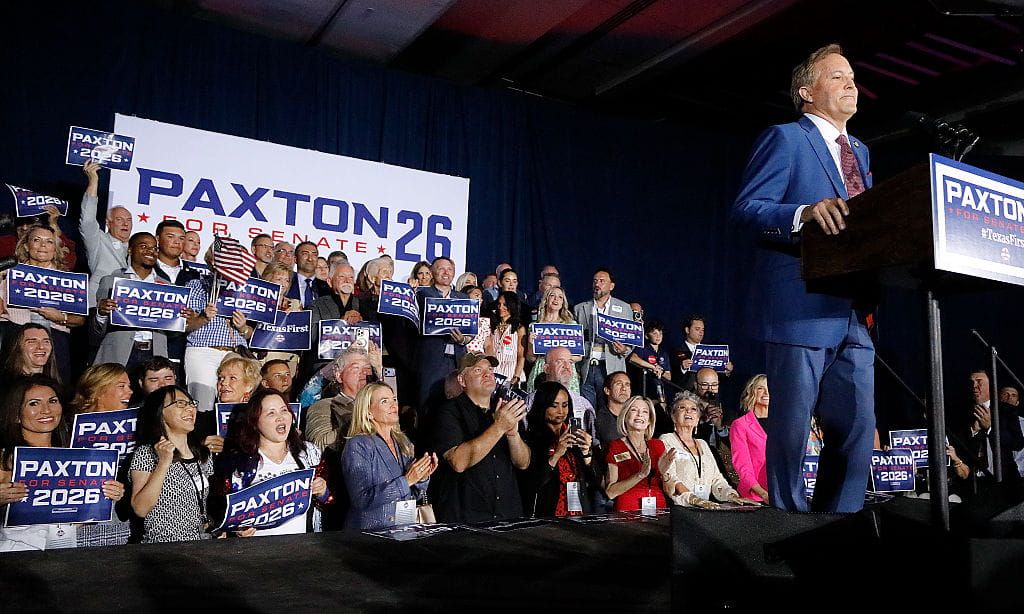
Texas voters delivered a clear message that night: the state’s politics are moving toward a more conservative, activist GOP that answers to voters rather than to the old establishment.
“President Trump notches another endorsement victory against the old guard.” That line captured the mood in Texas, where a high-profile win reshaped expectations about who calls the shots in key Republican contests. The result on May 27, 2026, didn’t come from a whisper campaign or elite consensus; it came from the ballot box and from activists energized by a direct, unapologetic conservative message.
The Texas outcome is not just a local flashpoint; it’s a practical demonstration of how endorsements and grassroots energy combine to push candidates who promise tangible conservative change. Voters rewarded a candidate willing to challenge entrenched interests and to stand for stricter border enforcement, judicial conservatism, and limited government. Those are the issues that moved turnout and determined the race.
Trump’s endorsement power has become a decisive force in Republican primaries, and that influence is reshaping party strategy across the country. Establishment figures who once assumed they could steer nominations now face a different calculus: alienate activists at your peril. The Texas result proves endorsements from the movement’s leader matter, and candidates who ignore that reality risk defeat.
For the national GOP, the shift is both a challenge and an advantage. It forces candidates to stake clearer positions on immigration, regulation, and national sovereignty, but it also energizes the base and simplifies messaging heading into tougher cycles. Fundraising follows momentum, and when voters smell authenticity, money and volunteers usually follow fast.
Policy-wise, expect state and federal priorities to tilt toward tougher immigration enforcement, aggressive litigation to protect conservative prerogatives, and an unapologetic defense of local control against federal overreach. That approach tests the old guard’s preference for incrementalism and abandons safe, tepid compromises that have frustrated rank-and-file conservatives. In Texas, those policy priorities resonated because they promise immediate, measurable results.
The establishment’s response was predictable: concern over temperament, governing style, and long-term electability. Those worries matter, but they no longer dominate every primary discussion the way they used to. Voters are weighing governance outcomes and cultural questions more heavily than abstract reassurance from party insiders, and that changes how candidates position themselves in debates and ads.
Down-ballot consequences are real and already visible in local races where activists take cues from high-profile victories. County parties, donor networks, and grassroots organizers recalibrate quickly when a movement candidate wins big. That creates a feedback loop: activist wins lead to more activist infrastructure, which produces more wins, especially in swing districts that respond to enthusiasm and turnout.
The broader calendar now looks different because of this shift, and party operatives will have to adapt to a landscape where insurgent conservatism is the baseline, not the exception. Campaigns will emphasize direct voter appeals, aggressive ground games, and clear stances that separate them from the Washington status quo. That’s the new arithmetic for Republicans who want to win in Texas and beyond.

