

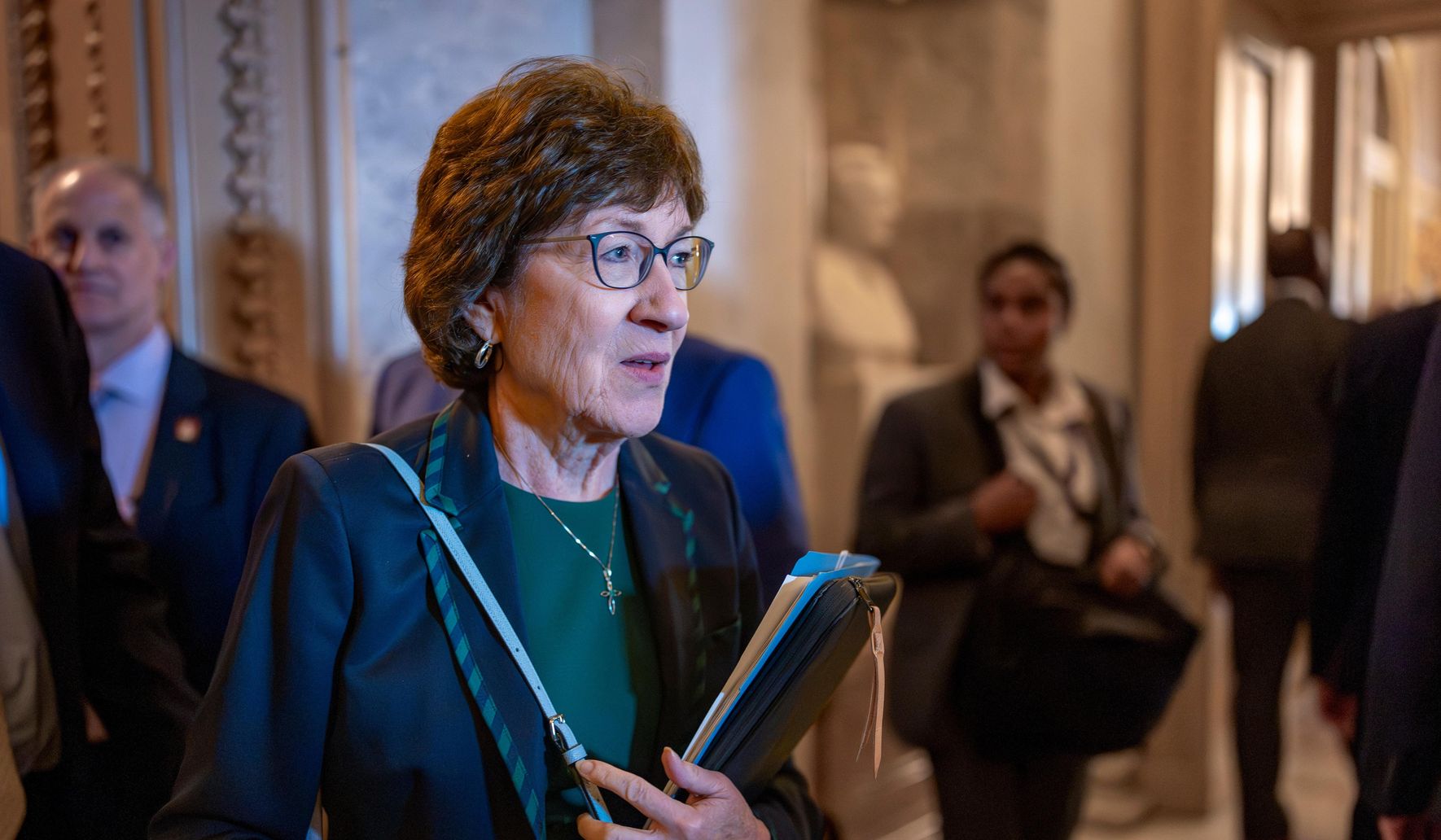
President Trump has endorsed 19 of the 22 Senate Republicans running for reelection in 2026, while withholding support from three incumbents who have opposed him, including Sen. Susan Collins of Maine.
The map for 2026 already looks different because of where endorsements landed. Backing 19 of 22 incumbents sends a clear signal about who counts in the current GOP coalition. That pattern matters for headlines and for donor checks alike.
Endorsements are shorthand in politics: they guide activists, boost fundraising, and shape primary fields. From a Republican perspective, rewarding loyalty makes strategic sense when the goal is to build a cohesive Senate caucus. Voters who prioritize alignment with conservative priorities will see these endorsements as useful cues.
Withholding support from three incumbents who opposed him, including Sen. Susan Collins of Maine, is equally telling. It separates the base-friendly wing from the more moderate or independent GOP senators. That split could determine not just primaries but how the party governs if it regains or keeps a majority.
For incumbents who win Trump’s nod, the endorsement can be a fast lane to small-dollar donations and volunteer troops. That energy matters in low-turnout primaries and close general elections. It also pressures challengers to make a clear case for why the party should move away from a Trump-aligned platform.
For the senators left out, the road gets tougher in practical ways. Fundraisers take cues from major endorsements and may quietly shift support to candidates with the national megaphone behind them. That doesn’t guarantee defeat, but it changes the calculus for both incumbents and their potential challengers.
In states where nationalizing the race helps Republican chances, Trump’s endorsement can translate into net gains. In swing or blue-leaning states, the impact is mixed and depends on candidate quality and local dynamics. The party still has to balance base enthusiasm with electability in competitive general election battlegrounds.
Primary dynamics are where the endorsement often counts most. A Trump-backed incumbent or challenger can clear the field by channeling donor and volunteer attention quickly. That means Republican voters who prefer a more traditional conservative might feel marginalized unless they organize early.
The internal discipline that comes from a centralized endorsement strategy has costs and benefits. It can reduce intra-party chaos and focus resources, but it also risks alienating voters who prefer independent-minded senators. From a Republican angle, the tradeoff is about whether a united message beats a broader tent in 2026.
Messaging will be crucial for candidates who did not receive a national endorsement. They must define why their independence serves voters rather than framing the move as a rebuke. Effective local campaigning can still neutralize national narratives if candidates offer clear, compelling reasons voters should stick with them.
Looking at the Senate math, every seat matters and endorsements are one tool among many. They won’t flip a Senate by themselves, but they tilt resources and attention in measurable ways. For Republicans aiming to translate momentum into actual seats, endorsements are a pragmatic lever to use — and a warning to senators who stray from the party base.
The next year will clarify how decisive these moves become at the ballot box. Some incumbents without the endorsement may survive by leaning into their records and local brands. Others could find themselves dealing with competitive primaries or bruising general election fights where the national party’s posture matters more than ever.

