

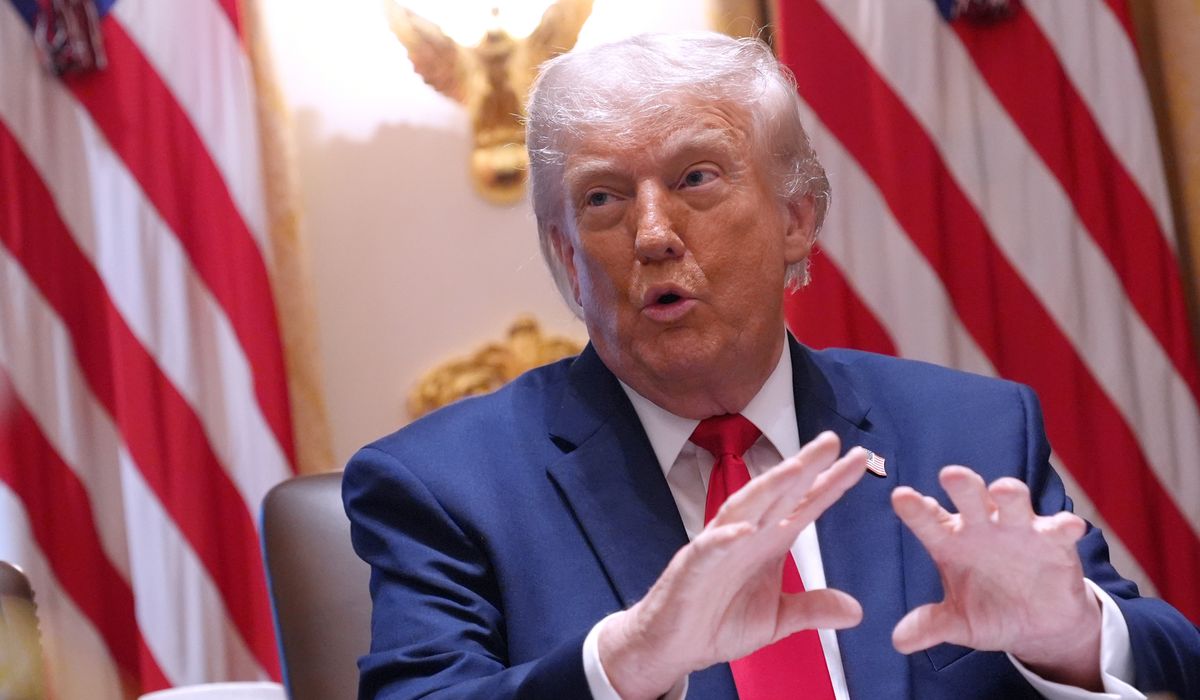
President Trump said Monday that Iran peace talks will “work out well in the end” and complained that critics are undermining the negotiating position and making the process harder.
President Trump’s take on the Iran talks stuck to a familiar thread: confidence in the outcome paired with frustration at public dissent. He said Monday that the discussions will “work out well in the end,” while also saying that critics have complicated the effort and weakened leverage. That mix of optimism and complaint frames how his team approaches high-stakes diplomacy.
From a Republican perspective, negotiation is partly theater and partly leverage, and public commentary from opponents can shift the balance. When allies or rivals hear mixed messages, they can exploit the uncertainty to press for softer terms. The president’s gripe about critics is therefore not just personal, it is strategic: keep negotiating posture firm and consistent to maximize results.
There is a long history of negotiations where any sign of internal division becomes a tactical liability. Negotiators need the ability to project resolve, and sudden second-guessing from commentators or politicians can undercut that projection. That is why officials often ask for a quiet period to let talks proceed without pressure campaigns from inside the political arena.
Supporters say the president’s blunt approach aims to win concrete concessions rather than symbolic agreements that collapse later. Hard bargaining can yield tighter inspection protocols, longer timelines for nuclear development, or more verifiable limits on sensitive programs. Republicans tend to favor outcomes that include strong verification and enforceable consequences for violations.
Critics, especially those in the media and among political opponents, argue that public pressure brings transparency and accountability. That is a valid point, but it does not change the fact that premature leaks and public grandstanding can reduce bargaining room. The balance between oversight and operational security is a recurring tension whenever national security talks are underway.
On the diplomatic front, Iran itself watches for signs of discord in the negotiating side. If adversaries sense a split, they can press harder, hold out for better terms, or drag out talks to erode international resolve. Keeping negotiating posture credible is therefore as much about the other side’s perception as it is about domestic politics.
There are practical tools to protect the process without shutting down oversight, such as limited briefing schedules, classified updates for key lawmakers, and carefully staged public statements. Those measures let negotiators preserve leverage while still informing necessary stakeholders. The goal is to avoid needless leaks that reduce bargaining power before key concessions can be secured.
Republicans typically emphasize a results-first mentality: tough on concessions, clear about red lines, and ready to walk away if talks fail. That posture is meant to produce a stronger agreement that can be enforced and sustained over time. The president’s insistence that the talks will “work out well in the end” reflects confidence that firm negotiating posture will bring substantive, verifiable outcomes.
At the same time, political actors who prioritize immediate political points over long-term strategy risk sabotaging the very outcomes they claim to want. Public criticism timed to influence the process often appears clever in the moment but counterproductive in the context of sensitive discussions. The takeaway, from this viewpoint, is that disciplined messaging supports the negotiation and helps preserve the chance of a durable agreement.
Ultimately, the effectiveness of any diplomatic effort hinges on both tactics and unity, and the president’s comments highlight that reality. Strong negotiators seek to control the narrative enough to maintain leverage while allowing scrutiny where it is necessary and constructive. In this case, the administration’s insistence on a favorable resolution, combined with frustration at internal pushback, sets the tone for how the talks will proceed.

