

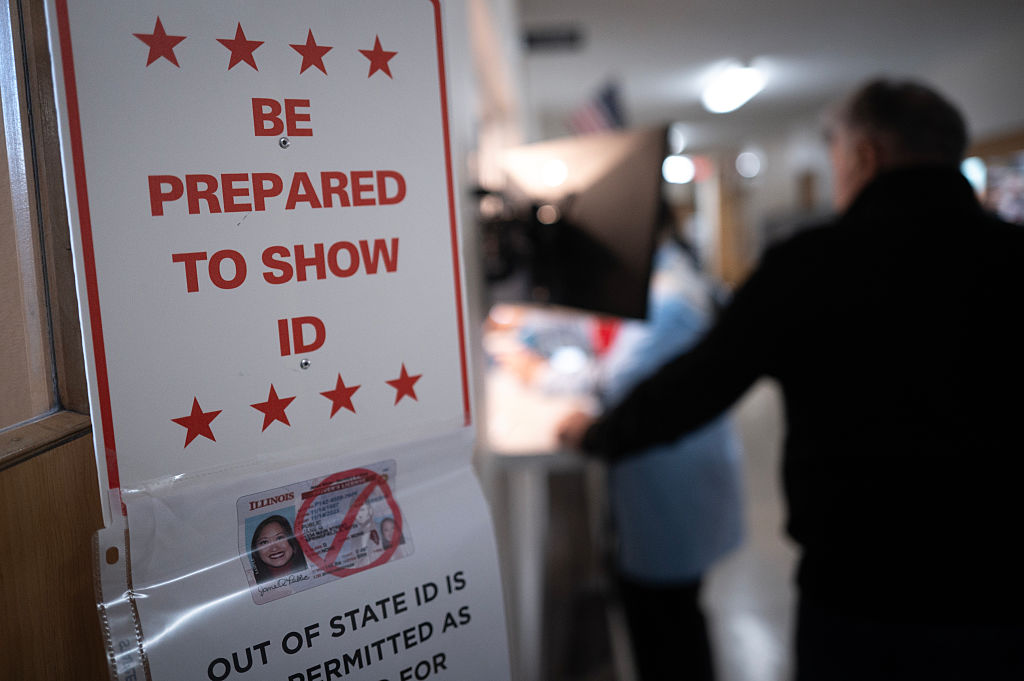
President Donald Trump’s second term has a clear pattern: he pushes political opponents into adopting positions they once opposed, and that strategy is shaping debates over voter ID and election integrity in ways that matter to everyday voters.
President Donald Trump has mastered many an art in his five years in the White House, and his knack for forcing opponents to change course is on full display again. What looks like chaos from the outside is often a disciplined push to get adversaries to endorse common-sense policies. That approach is now colliding with the voter ID debate, and it is exposing the true fault lines in how Americans view elections.
For years, some political leaders resisted voter ID as unnecessary or discriminatory, arguing it would keep certain groups from the ballot box. Trump flipped the script by treating voter ID as a straightforward safeguard, not a partisan weapon. The result has been awkward moments for critics who find themselves defending positions the public increasingly distrusts.
Voter ID has a simple appeal: it ties a ballot to an actual person, reduces the chance of fraud, and builds confidence that votes are legitimate. Opponents often frame it as suppression, but that framing struggles when most people talk to their friends and family and say they expect voters to show identification. That tension has pushed some of Trump’s opponents into awkward acceptances of procedures they once dismissed.
Some of the maneuvering is legislative and some is rhetorical, but both matter. The administration and its allies have pushed measures that force a reexamination of long-standing practices in election administration. Even proposals with niche names — like “The SAVE […]” — end up dragging reluctant critics toward basic reforms they previously labeled extreme.
Republicans argue voter ID is not about excluding voters, it is about preserving the integrity of elections so results are accepted by everyone. When winners or losers believe the process was fair, social peace follows; when suspicions fester, trust erodes. That is why conservative messaging focuses on making elections both secure and simple for legitimate voters.
Critics counter that some ID rules are designed to trip up the poor, elderly, and young first-time voters. Those concerns deserve scrutiny, and implementing ID policies should include practical fixes like free IDs, mobile offices, and wide public information. But the fix should not be to reject identification outright; it should be to make ID access universal and easy.
The political upside for Republicans is obvious: standing for verified ballots and transparency plays well with voters who want elections they can trust. The challenge is to push reforms without appearing to gerry-rig procedures for advantage. That’s why clear rules, bipartisan oversight, and consistent standards are important to sell the idea to skeptics.
Trump’s forceful style narrows the room for dodge-and-duck politics. When he presses an issue, alternatives that once seemed safe suddenly look weak. That pressure forces both parties to take concrete stances, and it forces voters to choose between accountability and euphemisms that paper over election vulnerabilities.
The debate is also shaping local practices. State and county officials who once treated voter ID as optional are now considering codified protocols and uniform training for poll workers. Uniform processes reduce confusion at polling places, and clarity makes it harder to allege fraud when rules are followed and enforced consistently.
Some media and advocacy groups frame this as a culture war, but at its core the fight is practical: how do we count votes so everyone believes the result? Conservatives argue that trust comes from transparency and identity verification. Progressives argue that access matters and worry about disproportionate burdens. Both sides can agree on a common goal — an accessible election that produces results citizens accept — even if they disagree on the path.
Policy details will decide whether reforms become durable or remain flashpoints. If ID laws include easy, free access to identification and clear exemptions for exceptional cases, they can boost turnout while tightening integrity. If they are implemented clumsily, they give ammunition to opponents and undermine the claim that reforms are about fairness.
Where this goes depends on political choices and public pressure. Trump’s ability to push adversaries into uncomfortable positions is only the start — the next step is translating that pressure into systems that voters see as legitimate. The practical work of implementation will determine whether voter ID evolves into a sensible baseline or continues to be a partisan wedge.

