

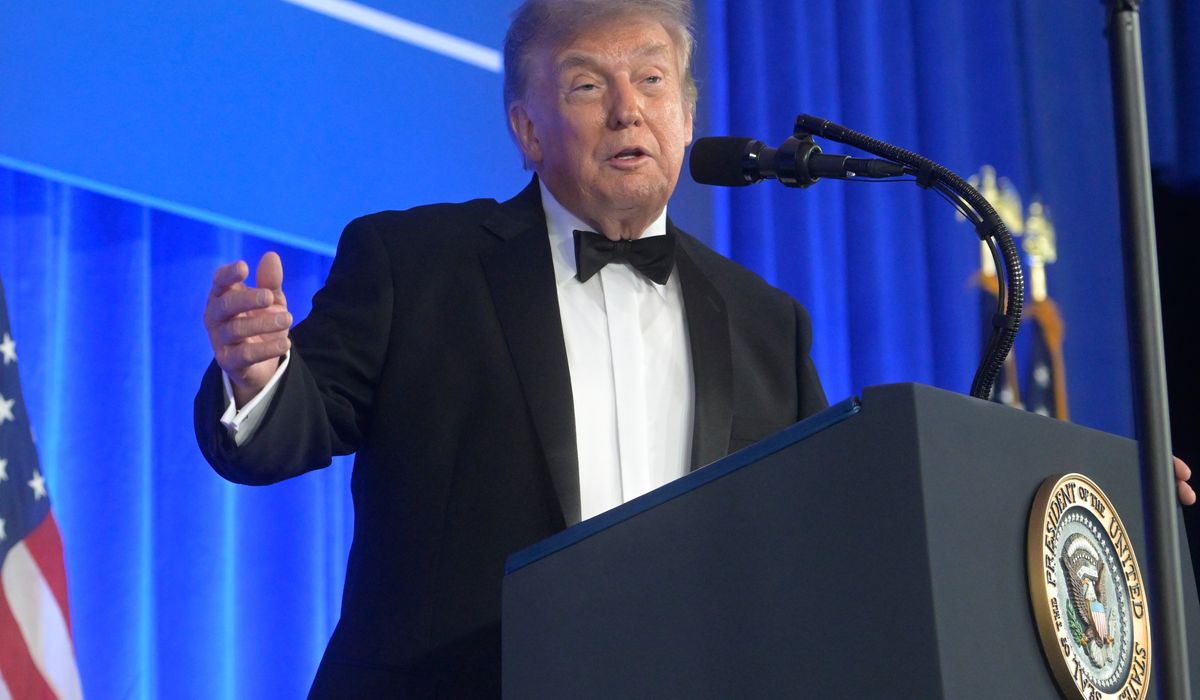
President Trump returned to the rescheduled White House Correspondents’ Association dinner Friday night, delivering a rambling, hour-long speech that praised some journalists, took potshots at others, and blended jokes with pointed critiques of the press.
He opened with a blunt, conversational tone that immediately set the mood: this was not a typical, cautious evening. The hour-long address moved between compliments and barbs, keeping the room off-balance and the cameras busy. Supporters saw a president who was confident and unapologetic about challenging press narratives.
Throughout the speech he praised a number of reporters for tough coverage that he framed as fair and necessary. He contrasted that with harsher critiques aimed at outlets he described as biased, using humor to underline his point. The effect was part showmanship, part policy message, and part political theater aimed at his base.
His critics called elements of the speech rambling, and he leaned into that description by letting conversations wander and jokes run long. That wandering style allowed him to mix personal anecdotes with policy references without pausing for careful phrasing. For Republican listeners it read as authenticity rather than disorganization.
Policy remarks threaded through the jokes, with references to accomplishments on the economy and national security framed as evidence of results over headlines. He framed media skepticism as a test of which outlets were reporting facts and which were chasing narratives. By turning that debate into punchlines, he controlled the room while reminding attendees of a political argument he’s long made.
The tone shifted when he addressed press accountability, where he used pointed sarcasm to call out perceived double standards. Rather than delivering dry policy lectures, he transformed critiques into memorable zingers that landed with supporters. That approach underscored a broader Republican stance: be direct, call out inconsistencies, and don’t be shy about confronting powerful institutions.
There were lighter, almost self-deprecating moments sprinkled in, which softened some of the harder shots aimed at reporters and networks. Those moments helped the speech avoid feeling like a one-note attack and allowed a wider range of reactions in the room. Still, the central thread remained steady—challenge the press, celebrate achievements, and make the audience laugh while doing it.
Media reaction was predictably mixed, with some outlets focusing on the jabs and others on the policy boasts. For conservative viewers, the coverage itself became further proof of the divide he highlighted during the speech. He used that divide as a closing theme: the idea that public opinion and media narratives can be at odds, and he urged listeners to judge results rather than headlines.
In the end, the dinner functioned as both entertainment and political theater, a unique setting where humor and headline-making critiques met in one extended performance. He left the stage having reinforced familiar themes for his supporters while provoking fresh takes from critics. The rescheduled event will likely be remembered for its mix of levity, confrontations, and the unmistakable presence of a president comfortable on a well-lit stage.

