

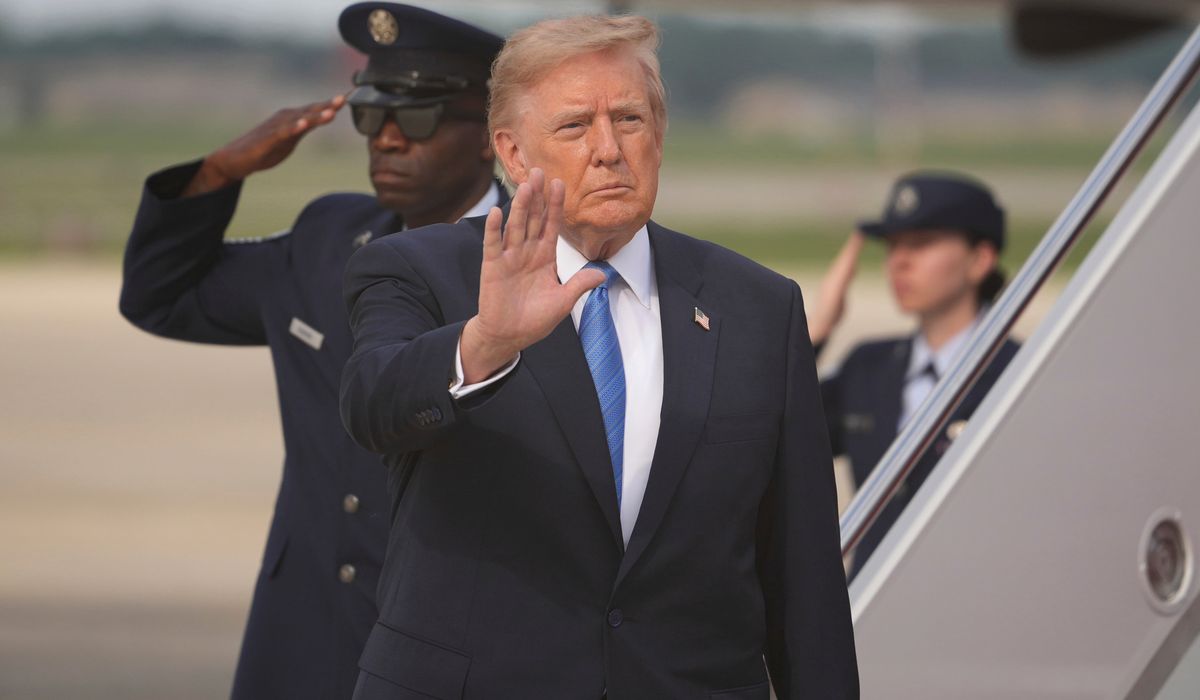
President Trump announced a deal giving the U.S. control over Venezuela’s 65 billion barrel oil reserve, a move framed as a bold step to secure American energy and strategic advantage.
“President Donald Trump on Friday said the U.S. has entered an agreement with Venezuela to take control of 65 billion barrels of the South American country’s oil reserves.” That line lays out the central claim and the staggering scale involved. Sixty-five billion barrels is a headline number that reshapes how people think about global oil supply and leverage. From a Republican viewpoint this kind of deal sounds like reclaiming American strength in energy and geopolitics.
The deal, as described, would put a massive strategic asset under U.S. control, and supporters will point to immediate benefits like increased energy security and leverage over global markets. There is a clear argument that bringing such a resource under American influence reduces dependence on adversarial regimes and hostile sources. Republicans tend to favor using American power in ways that secure resources and protect national interests. Skeptics will demand details about governance, oversight, and how control is actually transferred.
Questions about the legal and logistical framework will dominate the conversation now that the announcement exists in the public domain. How contracts are written, which agencies manage the resource, and what checks and balances are in place will shape whether this becomes a lasting advantage or a short-lived headline. Congress will likely ask for briefings and approvals that test the political will behind the move. The practicalities matter just as much as the rhetoric for any long-term success.
There are real operational issues to resolve, from securing production facilities to ensuring the workforce and infrastructure are maintained or rebuilt. Venezuela’s oil industry has suffered from years of underinvestment and management problems, and turning a headline into barrels in tankers will take time and expertise. Private sector partnerships will probably play a role, and Republicans typically push for efficient public-private structures over sprawling government control. The timeline for ramping production matters for markets and for political credibility.
Sanctions, international law, and diplomacy are unavoidable parts of this story even if the announcement framed the outcome as a straightforward transfer of control. Any move involving Venezuela touches allies, regional neighbors, and multilateral institutions, and it will draw scrutiny from courts and foreign governments. Republicans often argue that decisive action can reset the terms of engagement on the world stage, but they also know that clear legal footing prevents costly international disputes. Expect a battle over narrative and legal interpretation.
The economic upside is the easiest sell to the American public: more accessible oil supplies can lower prices and strengthen domestic energy industries. GOP messaging will emphasize jobs, reduced import dependence, and energy dominance as tangible wins that voters can understand. That message resonates especially in states tied to energy and manufacturing. Yet the economic case needs to be backed by transparent accounting and independent audits to avoid future controversy.
Political opponents will raise alarms about sovereignty, the rights of Venezuelans, and the potential for unintended consequences in a fragile region. Those critiques matter and require answers that go beyond talking points. Republicans advocating for this path will argue that the alternative is leaving the resource to hostile actors or corrupt intermediaries. The debate will center on whether U.S. stewardship advances both American interests and humanitarian outcomes for Venezuelans.
Operational security and oversight will be key to preventing corruption and ensuring the resource is managed responsibly. Mechanisms for transparency and reporting must be built into any agreement to withstand political and legal challenges. Republicans often push for strong accountability frameworks tied to results and consequences for mismanagement. The effectiveness of those safeguards will determine whether the announcement becomes a model or a cautionary tale.
Ultimately, the announcement signals a broader strategic posture that prioritizes energy leverage as a tool of foreign policy and national strength. For Republicans, reclaiming or securing energy resources is not simply about economics; it is about power, deterrence, and protecting American interests abroad. The coming weeks should clarify the structures, legal bases, and checks that will turn the headline into a workable policy with real consequences for markets and security.

