

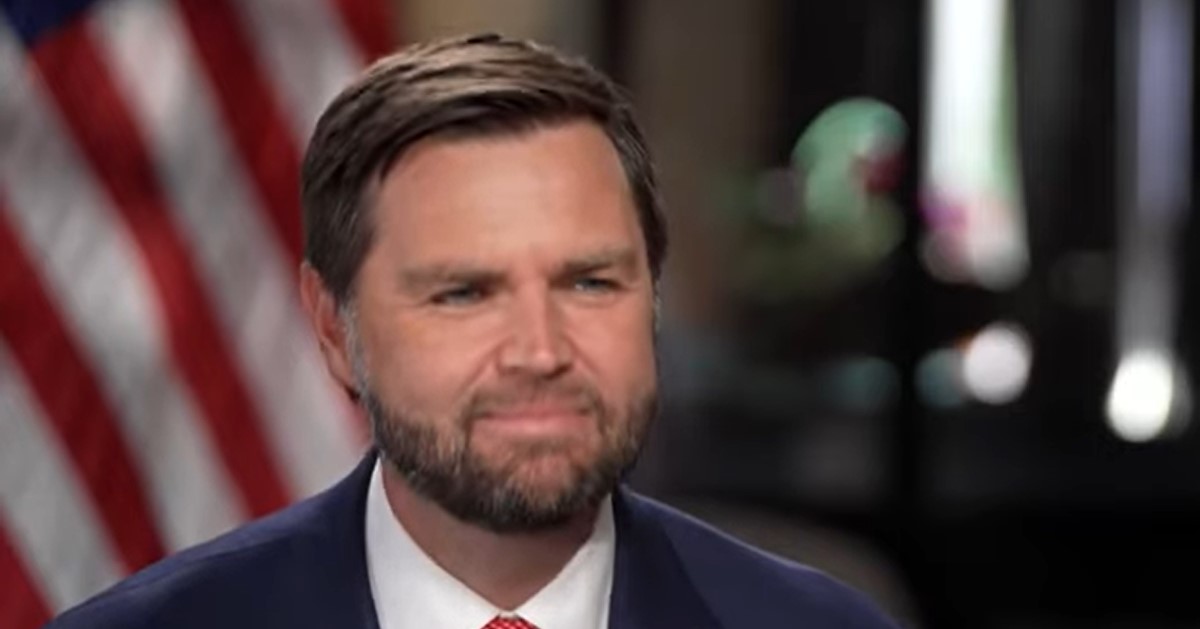
I’ll lay out the scene: President Trump floated the idea of a third term and then praised a potential ticket of Vice President J.D. Vance and Secretary of State Marco Rubio as “unstoppable.” That moment, captured and shared widely, set off fresh talk about 2028 ambitions while Vance publicly downplayed any immediate plans. Polling out of New Hampshire already shows the vice president riding strong support among GOP primary voters. The mix of Trump praise, Vance’s caution, and early polling is shaping a narrative Republicans will be watching closely.
Trump has long hinted at the possibility of another run, but his recent comments focused attention on the next generation of GOP leaders. In a striking line he said of a Vance-Rubio pairing that “I’m not sure if anybody would run against those two” and framed them as a combination that would be extremely competitive. That kind of endorsement from the top matters in Republican politics and changes how donors and activists start to think about the next cycle.
ABC News captured the exchange and it spread quickly across social platforms. — ABC News (@ABC) The clip underscored how quickly a few words from Trump can shift the conversation inside the party and beyond.
This isn’t the first time the president has signaled confidence in his vice president’s prospects. USA Today quoted Trump as telling reporters that his vice president is “doing a great job, and he would probably be favored at this point” to get the GOP’s nomination. Those are not casual words; they telegraph a level of institutional backing that matters on the campaign trail and in the primaries.
Vance, for his part, has pushed back on the idea of an immediate White House bid and tried to keep the focus on governing. “If we do a good job in 2025 and 2026, then we can talk about the politics in 2027,” he told Fox News host Lara Trump during an on-air conversation. He added, “I really think the American people are so fed up with folks who are already running for the next job, seven months into the current one,” signaling a desire to avoid premature campaigning that distracts from policy.
That pragmatic tone continued when Vance emphasized respect for competition and the grassroots. “There are a lot of great people,” he said of Republican figures, and then made an explicit pledge about fairness: “If I do end up running, it’s not going to be given to me—either on the Republican side or on the national side.” Those words are aimed at calming concerns about coronation and appealing to voters who prize merit over patronage.
Despite Vance’s caution, independent polling shows a clear head start for him in key early states. A Saint Anselm College survey taken between August 26 and August 27 put Vance at 56% support among New Hampshire Republican primary voters, with no other GOP candidate in double digits. That number, if it holds, would give him a significant structural advantage heading into the next phase of the nomination fight.
The same poll placed Florida Gov. Ron DeSantis a distant second at 8%, underscoring that Vance’s lead is not just narrow momentum but a commanding edge in that state. For Republicans focused on winning back the White House, a candidate with commanding early-state numbers reshapes strategy and resources. Donors, operatives, and local party leaders pay attention to those gaps and adjust quickly.
Between Trump’s public praise, Vance’s steadying messages, and the early polling, the GOP is facing a classic strategic choice: capitalize on momentum and unify early or let the field sort itself out with competitive primaries. The next two years will test whether elected leaders can balance governing priorities with the inevitable politics of positioning for 2028.

