

The Trump administration has been ordered by two federal judges to tap a USDA contingency fund to keep parts of the Supplemental Nutrition Assistance Program running as money for benefits nears exhaustion, and President Trump has asked the courts to clarify how the government can “legally fund” SNAP while the slowdown caused by a month-long shutdown leaves appropriations unresolved.
Judges and the contingency fund. With funds for the food stamp program set to run out on Saturday, two Democrat-appointed federal judges directed the administration to use a special USDA emergency reserve to cover part of the shortfall for the roughly 42 million SNAP recipients. The judges’ rulings came despite the USDA’s insistence that law limits the contingency fund’s use to situations that supplement existing appropriations, which currently do not exist because of the ongoing shutdown. The court orders created an immediate legal clash over whether the department can reallocate emergency money when Congress has not passed appropriations.
Administration legal concerns. The Department of Agriculture has argued it is legally prohibited from spending the emergency contingency funds except to augment appropriations already provided by Congress, making the judges’ directive a contested move. The USDA’s position frames this as a statutory boundary rather than a policy choice, and the department has publicly blamed Senate Democrats for failing to pass stopgap funding. That blame centers on the timing of payments and the political fight that has left benefits in limbo ahead of the November 1 payment date.
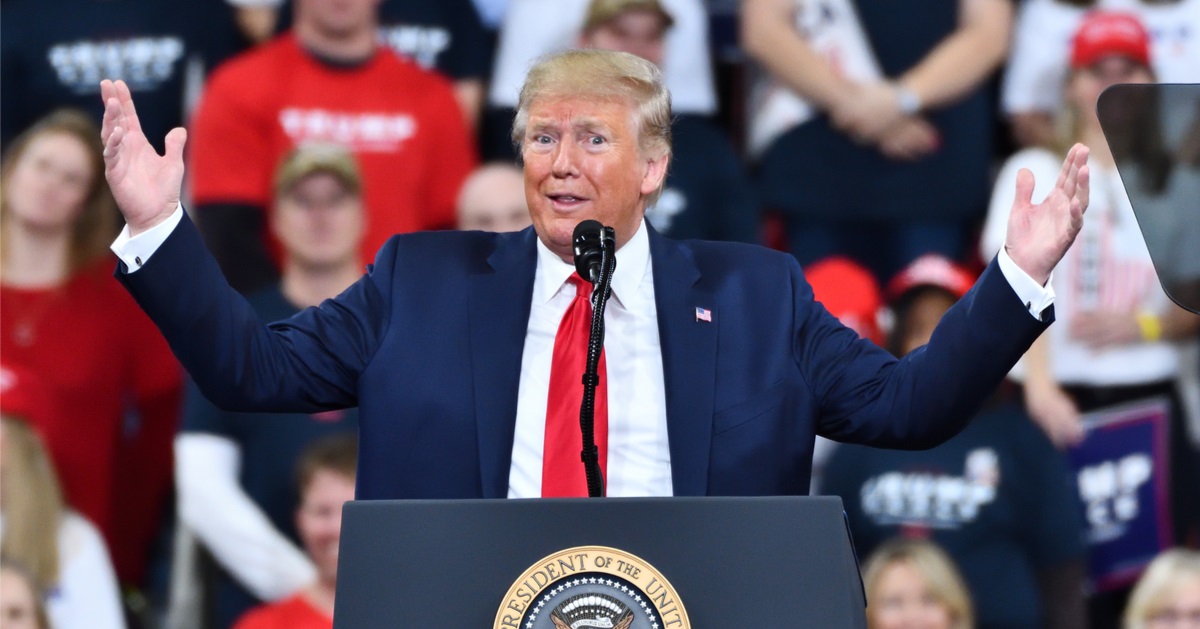
President Trump’s reaction. In a Truth Social post, President Trump wrote, “Our Government lawyers do not think we have the legal authority to pay SNAP with certain monies we have available, and now two Courts have issued conflicting opinions on what we can and cannot do.” He followed with, “I do NOT want Americans to go hungry just because the Radical Democrats refuse to do the right thing and REOPEN THE GOVERNMENT,” and said he instructed lawyers to seek judicial guidance. The president framed the issue as a choice driven by Democratic obstruction, while promising to move quickly if the courts provide a legal path.
Funding versus authority. Trump added, “If we are given the appropriate legal direction by the Court, it will BE MY HONOR to provide the funding, just like I did with Military and Law Enforcement Pay,” tying his willingness to act to a clear judicial green light. He also pointed out the practical delays states would face even if funds were cleared, noting that paperwork and distribution would still slow delivery after any legal fix. The White House stance is that the executive wants to help but must operate within the law unless the courts say otherwise.
Political blame and the shutdown. The USDA has been blunt about who it holds responsible, saying, “Senate Democrats have now voted 13 times to not fund the food stamp program, also known as the Supplemental Nutrition Assistance Program (SNAP).” That statement frames repeated Senate votes as deliberate obstruction, and the department warns that the program’s reserve has run dry ahead of the monthly payment cycle. Officials argue this situation is a direct consequence of lawmakers refusing to pass short-term funding measures.
Harsh rhetoric from the department. The USDA continued, “Bottom line, the well has run dry. At this time, there will be no benefits issued November 01.” The release then escalated the stakes with, “We are approaching an inflection point for Senate Democrats,” and added, “They can continue to hold out for healthcare for illegal aliens and gender mutilation procedures, or reopen the government so mothers, babies, and the most vulnerable among us can receive critical nutrition assistance.” That language placed political responsibility squarely on Senate Democrats and tied the funding stalemate to broader cultural and policy fights.
Legal filings and the timeline. Court dockets had shown no new filings as of Friday evening, leaving uncertainty about when government lawyers would formally ask for clarification from the judges who ordered the use of the contingency fund. The lack of immediate docket activity meant delays could stretch beyond the payment deadline, increasing pressure on both legal teams and lawmakers. Meanwhile, millions of beneficiaries face the prospect of missed assistance unless a quick legal or legislative resolution arrives.
What’s at stake. The dispute is not just procedural; it affects monthly benefits for an estimated 42 million Americans and shows how partisan gridlock can ripple into basic programs. The president’s public push to get court guidance reflects a strategy to shift responsibility and to act if courts agree the funds can lawfully be used. For now, the program’s future hangs between judicial interpretation, statutory limits, and a Senate that has repeatedly declined short-term funding bills during this shutdown.

