

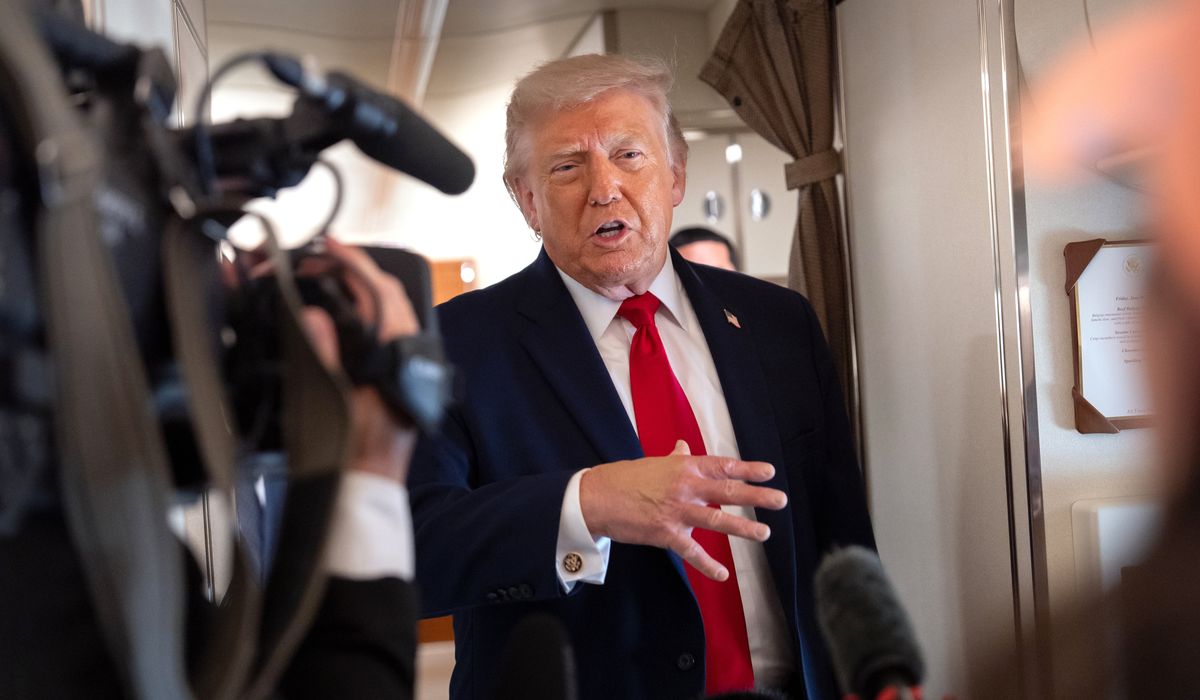
President Trump publicly told Iran and Israel to “immediately stop” attacking each other on Monday, after both countries exchanged their first military strikes since a ceasefire began in early April, a tense moment that pushed the region back into the headlines.
The message was short and sharp: “immediately stop.” That directness reflects a leader trying to prevent escalation while keeping U.S. interests front and center. The strikes marked the first military exchange since the ceasefire took effect in early April, and the timing on Monday made it impossible for Washington to look away.
This is the kind of moment where clear, decisive statements matter. From a Republican standpoint, firmness is not the same as weakness; it’s how you manage risks and deter further miscalculation. Saying stop is a check against chaos, but words have to be backed by credible capability and resolve.
The basic facts are simple and stark: two adversaries traded blows, the ceasefire was breached, and a very public plea arrived from the American presidency. That sequence raises obvious questions about the durability of the ceasefire and whether diplomatic channels are holding. It also raises questions about how the U.S. will support allies and counter bad actors in the region.
Support for Israel remains a core pillar of conservative foreign policy, grounded in shared values and strategic necessity. When Israel’s security is threatened, many Republicans expect firm American backing and measures to ensure deterrence holds. At the same time, Iran’s regional behavior demands consequences, not just statements, to prevent repeated escalations.
Calling for an end to the attacks is the first step; ensuring it sticks requires credible deterrence and smart diplomacy. That means aligning public warnings with practical actions that make aggression unattractive. The goal is to get both sides back to a place where a ceasefire can actually function, not just exist on paper.
Monday’s exchange also reminds us that ceasefires are fragile without enforcement and honest broker engagement. If a ceasefire can be undone so quickly, it invites a cycle of retaliation that risks dragging in others. A Republican approach favors backing partners with the tools and intelligence they need to maintain security and stability.
Americans prefer stability and low-risk engagement overseas, but that preference only holds if deterrence is credible. When deterrence fails, the costs rise and the choices become harder. Keeping the threshold for conflict high requires both public clarity and private planning.
The president’s direct order to “immediately stop” was a public signal meant to halt momentum toward a wider clash. It was aimed at cooling things down in real time and giving diplomats breathing room. Whether it succeeds depends on follow-through from allies and the perception of American resolve.
Ultimately, moments like this test leadership and strategy. Republicans argue that clear posture, strong alliances, and predictable consequences reduce the chance of repeated flare-ups. If words matter, then backing them with capability and clear priorities is what keeps short-term crises from becoming long-term wars.

