

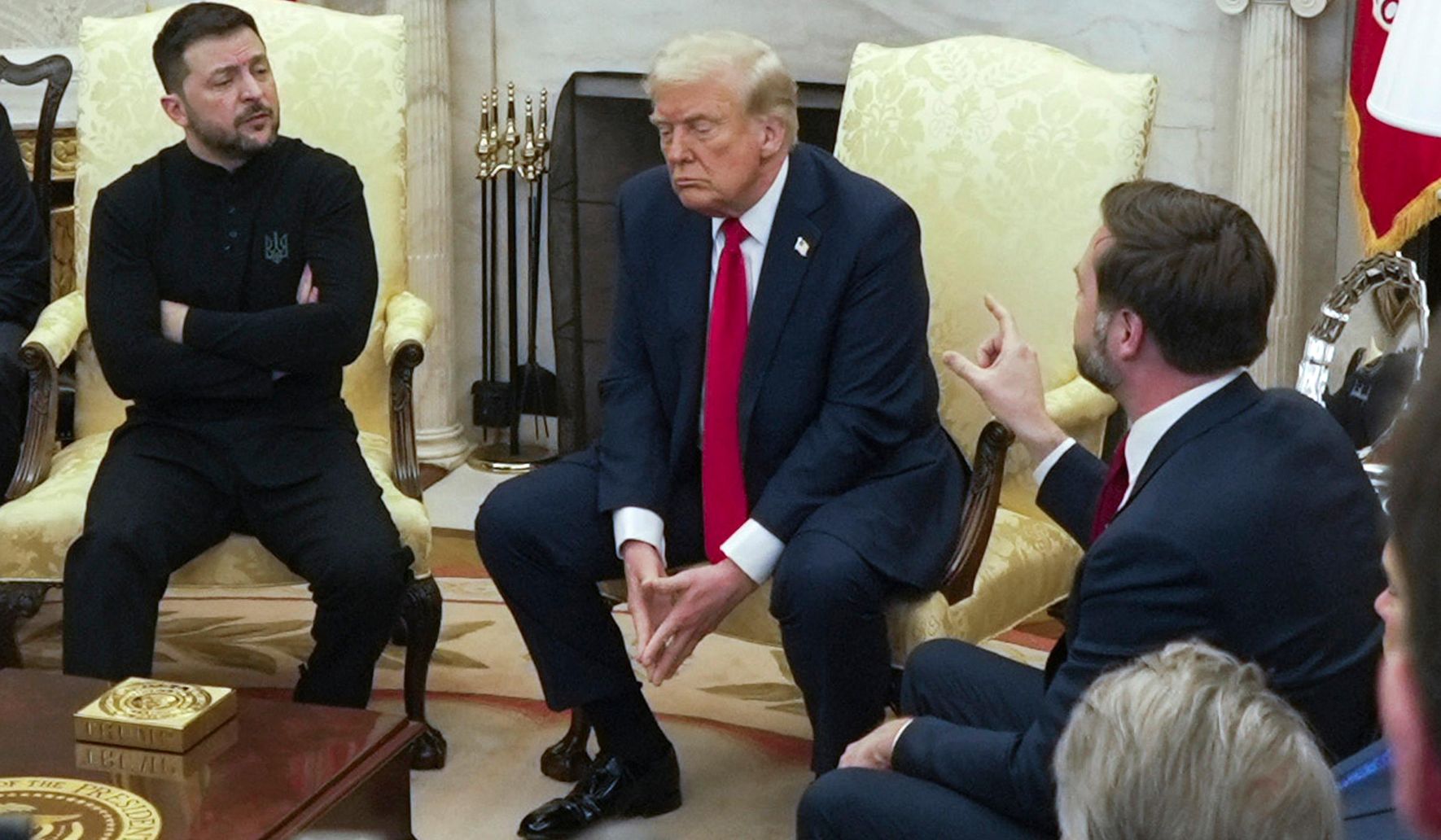
President Trump said the U.S. peace plan to end the Russia-Ukraine war is not his final offer. This piece explains what that stance means, how it shapes negotiations, and how Republicans view U.S. strategy moving forward.
President Trump’s comment signals a posture of negotiation rather than capitulation, and it frames the peace plan as a starting point. Republicans see this as sensible: show strength, put a concrete proposal on the table, and be ready to adjust terms if necessary. That approach aims to protect American interests while pushing for a durable settlement that serves long-term stability.
Putting a plan forward gives the U.S. leverage, even if the proposal is not final. By presenting terms, the administration forces other parties to respond publicly and clarifies what the United States is willing to accept and what it will not. That transparency helps allies and opponents alike understand Washington’s red lines and bargaining chips.
A non-final offer also keeps options open for follow-up diplomacy and measured pressure. Republicans who favor tough negotiating tactics argue that revealing a willingness to walk away can extract better concessions. At the same time, having a proposal on the table prevents the United States from being painted as passive or indecisive in global conflicts.
Critics will call any initial plan imperfect, and they are right to scrutinize the details. But in real-world bargaining, the first offer is usually the beginning of a back-and-forth that leads to a result both sides can live with. The key for Republican strategists is making sure the opening terms prioritize American security and allied commitments.
Domestically, presenting a plan lets leaders explain to voters what the U.S. seeks to accomplish. That helps counter accusations that Washington lacks strategy or that it is merely reacting to events. Republicans emphasize clear objectives: end active combat, secure borders and energy flows, and prevent the conflict from dragging on and costing American lives or resources unnecessarily.
On the international stage, a proposal forces other capitals to position themselves publicly, which is useful in building pressure. Allies who support a settlement must decide whether they back the U.S. outline or push for tougher terms. That process can create a coalition capable of enforcing any agreement and discouraging spoilers.
There is also a financial and military angle that Republicans will underscore. Any ceasefire or settlement should include verifiable guarantees and accountability measures so funds and supplies are not diverted to rebuild aggression. A sensible agreement balances humanitarian relief with security protocols that make renewed offense costly and unlikely.
Trump’s remark that the plan is not final suggests a readiness to negotiate from strength rather than concede from weakness. That posture appeals to voters who want American leadership that is assertive and pragmatic. It also signals to adversaries that the United States intends to safeguard its interests and those of its partners while remaining open to realistic solutions.
Long-term success depends on diplomacy tied to enforceable mechanisms, congressional oversight, and consistent engagement with NATO and regional partners. Republicans will push for clarity on enforcement and for timelines that prevent an open-ended commitment without measurable results. The goal is a stable peace that reduces the risk of renewed large-scale fighting while protecting Western strategic interests.

