

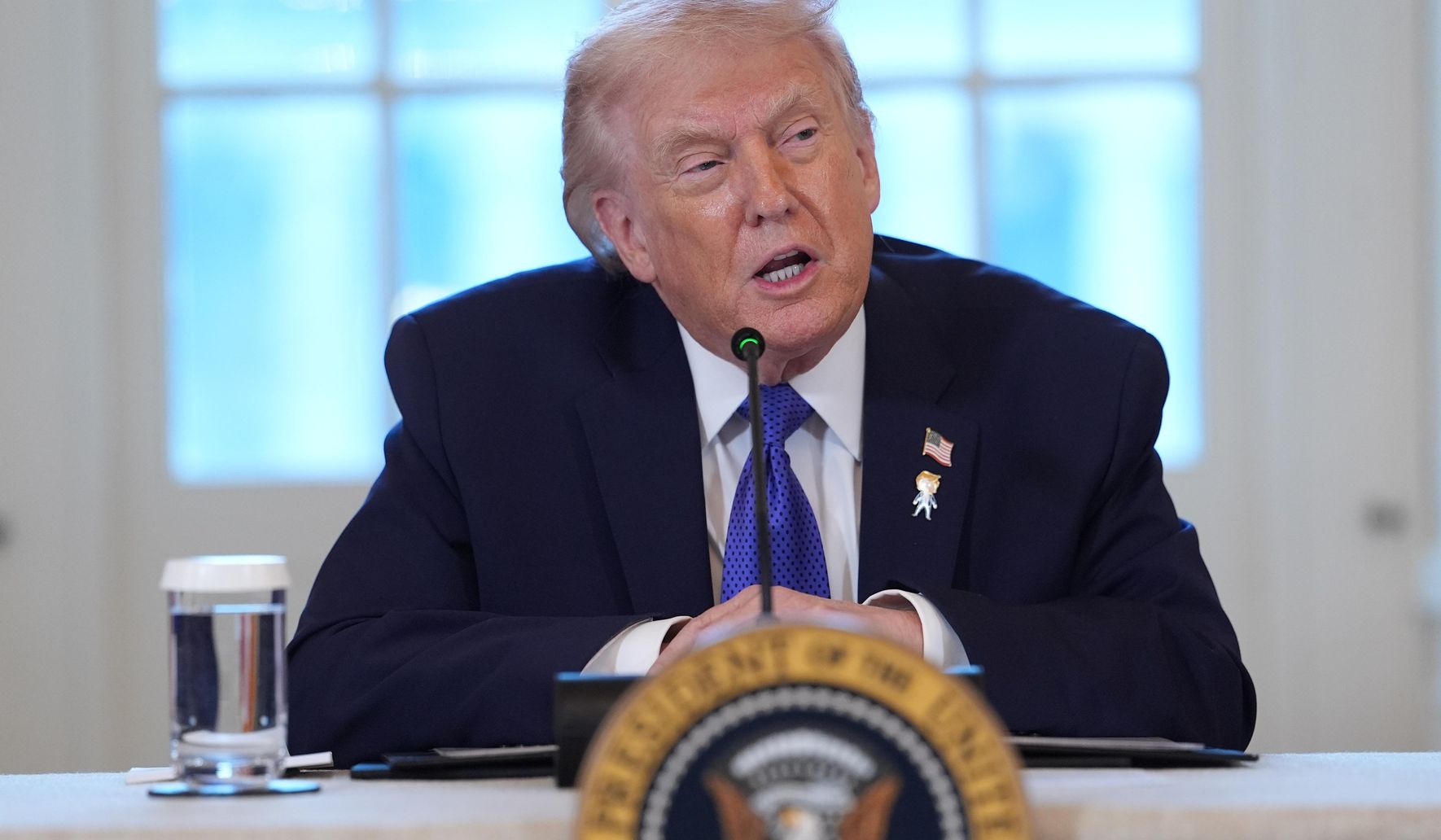
President Donald Trump on Friday called on oil executives to rush back into Venezuela as the White House tries to quickly secure $100 billion in investments to fix the country’s neglected infrastructure, and the proposal sets up a market-driven push that mixes energy strategy with geopolitics.
The White House move is bold and unapologetically pro-business, asking private energy companies to consider re-entering a country long crippled by bad governance. The pitch leans on the idea that free capital, not endless aid, is the fastest way to repair refineries, pipelines and ports that have languished for years. That kind of reasoning plays to conservative strengths: trust the private sector to restore value while protecting American interests.
Those who support the idea see a twofer: revive Venezuela’s oil output and lock in energy supplies that could ease global markets. Getting private operators back to work would inject technology, management and cash into assets that are currently wasting away. For Republicans, the goal is straightforward—promote American energy leadership while squeezing the benefits away from hostile actors who have supported instability.
The $100 billion figure is headline-grabbing and practical politics at the same time, representing the scale needed for repairs, upgrades and new investment across refining, logistics and field operations. It is not a blank check, and conservative policymakers would insist on strict terms to protect investors and taxpayers. Any financial or legal framework would need to be built so companies can insure and recover their investments without rewarding corruption or undermining sanctions policy.
Sanctions remain a key lever, and conservatives argue they can be used smartly to compel reforms before any large-scale capital flows. The idea is to condition access and permits on verifiable changes in governance, transparency and property protections. That preserves leverage: if Caracas meets benchmarks, investment proceeds; if not, penalties snap back and companies are protected from being entangled in legal or reputational fallout.
Critically, Republican thinking emphasizes clear rules that attract global capital while shielding American firms from political risk. That includes guarantees against expropriation, clear dispute-resolution paths and a role for private insurance or multilateral backstops without turning into permanent subsidies. Investors need certainty, and certainty comes from consistent policy tied to outcomes, not open-ended diplomacy.
There are geopolitical benefits beyond immediate production gains: drawing Venezuelan energy back into the Western market weakens the strategic foothold that rivals like Russia and China have built by offering credit and hardware with few strings attached. A market-led recovery, guided by American legal standards and contractors, would reassert influence while avoiding the pitfalls of heavy-handed nation building. That aligns with conservative priorities: use American strength and know-how to shape outcomes without endless foreign commitments.
Practical hurdles are real and will require careful navigation. Many facilities are badly degraded, and human capital has fled the country so quickly that skilled labor will need to be replaced or retrained. Contracts must be watertight, and any deal structure should include exit clauses and assurances that U.S. legal remedies can be enforced. Republicans push for those protections because free enterprise works best when the rules are predictable and rights are enforceable.
Political opponents will rightly question engagement with a regime responsible for massive human suffering, and that concern forces a disciplined approach. Supporters counter that a responsible pathway exists: tie investment to clear, monitored reforms that return control to legitimate institutions and help stabilize populations. The central point from a conservative angle is simple—leverage markets to restore capacity, but do it under a framework that defends values, protects investors and advances American strategic interests.

