

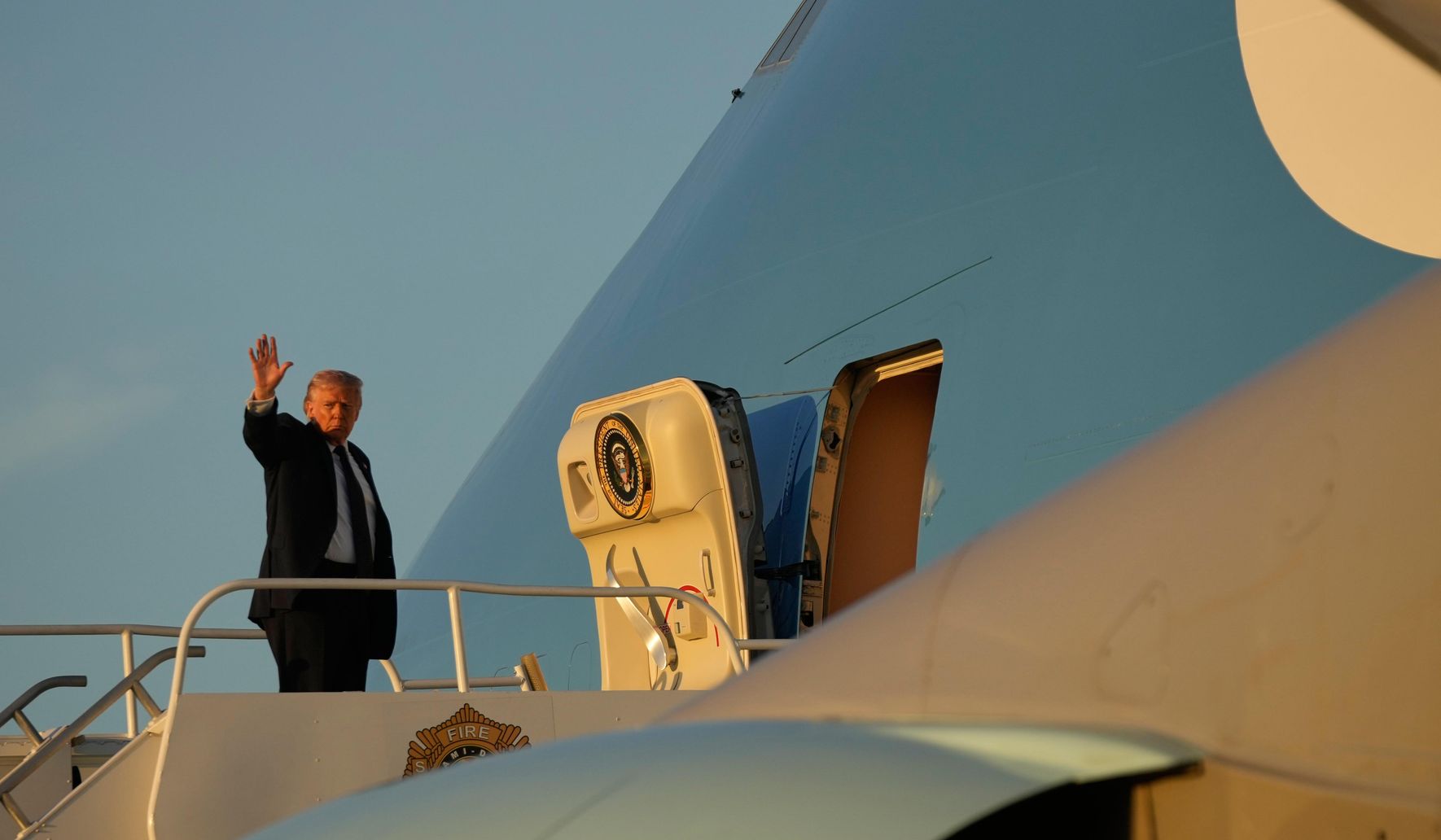
President Trump will visit Ohio and Kentucky on Wednesday to argue that his policies can steady an economy already feeling shock waves from the war on Iran and to press his advantage in a hard-fought congressional contest.
The trip to Ohio and Kentucky is being framed as a proof point for the argument that steady leadership and pro-growth policies deliver results when the global picture gets shaky. Supporters see it as a necessary defense of middle-class livelihoods threatened by external turmoil. The focus will be on jobs, energy, and economic calm rather than partisan back-and-forth.
On the stump, the pitch will be direct: policies that cut red tape, boost domestic energy, and prioritize American businesses create resilience. That case lands differently in industrial Midwest states where factories and supply chains still matter to voters. For many here, the promise of stability trumps abstract economic theory.
The war on Iran has sent ripples through commodity markets and freight routes, and those ripples are felt in shop floors and grocery bills. The messaging will highlight how predictable tax and trade policies can blunt those shocks so working families do not bear the worst of global tensions. Framing international conflict as a stress test for domestic policy helps sharpen the choice voters face at the ballot box.
Republican strategists view these stops as more than photo ops; they are opportunities to contrast approaches. The argument is that strong national security and a competitive economic agenda go hand in hand. That line appeals to voters who want both a secure country and an economy that delivers paychecks and pensions.
Local issues will get airtime alongside national themes, because Ohio and Kentucky voters care about roads, schools, and manufacturing revival. Campaign events will emphasize reclaiming supply chains, expanding apprenticeships, and cutting bureaucratic hurdles that slow down projects. The goal is straightforward: make federal policy feel useful in daily life.
Expect a steady drumbeat about energy independence and how domestic production buffers price shocks tied to foreign crises. That talking point connects with blue-collar families who rely on affordable energy for commute and home heating. It also allows for a broader claim that economic sovereignty protects ordinary Americans from distant conflicts.
On the political front, the campaign will frame this as a defensive push to protect gains in Congress and to flip or hold critical seats. Messaging will be tailored to show a contrast with opponents who, according to the campaign, would impose new regulations and tax burdens that slow recovery. The narrative is aimed at persuadable voters who prioritize practical outcomes over partisan labels.
Behind the scenes, rallies and appearances will be coordinated to maximize local media and grassroots energy. Volunteers and surrogates will emphasize turnout plans that target communities hit hardest by recent economic shocks. The broader play is to turn concern about the global situation into support for an economic agenda that promises stability and growth.
Whether the trip changes momentum will depend on two things: how voters read policy promises amid headline news, and how effectively the campaign ties national strategy to everyday concerns. The week’s appearances are designed to make that connection vivid and immediate. For supporters, the claim is simple: steady policies, steady economy—especially when the world gets turbulent.

