

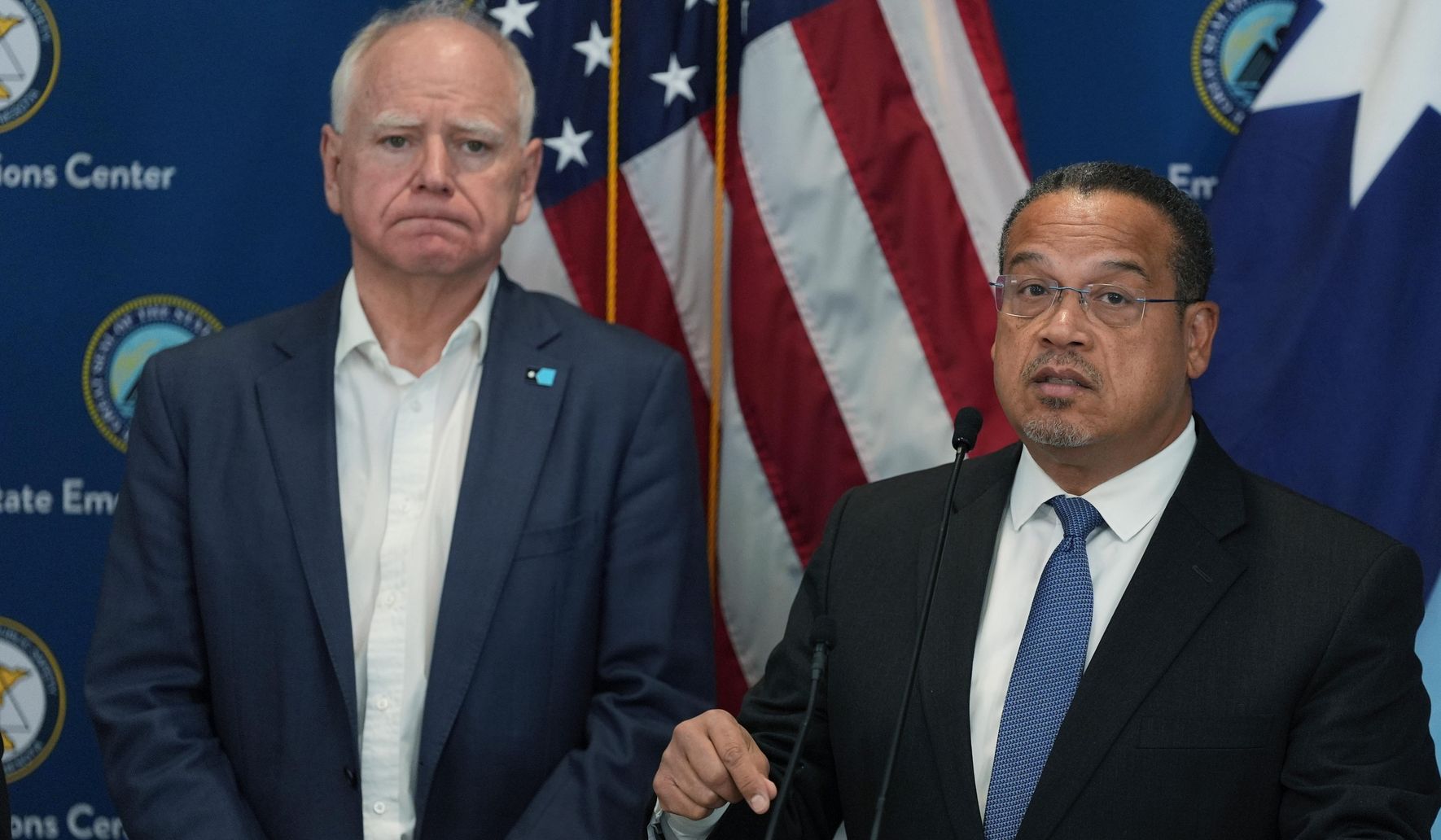
President Trump called Minnesota Gov. Tim Walz on Monday and suggested the men involved could find a way to ease tensions after the shooting deaths of two protesters by federal agents, opening a path toward federal and state cooperation amid a volatile situation.
The phone call between President Trump and Governor Walz landed in a moment of raw tension in Minnesota. Officials on both sides were under pressure to act quickly while questions about what happened were still coming into focus. The president signaled that a calmer course was possible if leaders worked together and kept the public informed.
Republicans are framing the exchange as a necessary federal nudge to restore order and prevent further violence. From that perspective, federal involvement is not an intrusion but a backstop when local authorities face unrest they cannot contain alone. The goal, they say, should be public safety and respect for the rule of law.
Critics of local handling argue that delays and mixed messages made a bad situation worse, and the call was a reminder that politics matters during crises. Supporters of stronger federal coordination point to the need for clear command and consistent messaging. They want investigations to be fast, transparent, and focused on facts rather than politics.
People on the ground are anxious and demanding answers about why two protesters were killed by federal agents and how similar tragedies will be prevented. That urgency pushed the federal government to engage directly with the governor. Both sides now face the challenge of calming protesters while preserving lawful protest and preventing opportunistic violence.
The Republican view insists investigations must be thorough but also timely, to avoid a vacuum of information that fuels rumors and unrest. Transparency about procedures and responsibility helps rebuild trust, they say, so investigators should share findings as they become available. At the same time, leaders must be careful not to inflame passions with partisan rhetoric.
Law enforcement officers and federal agents need clear rules of engagement and oversight that protect civilians and officers alike. Republicans tend to stress support for the men and women who put themselves between chaos and the community, arguing for resources and training rather than blanket condemnation. They also want the legal process respected for anyone accused of wrongdoing.
Political leaders on both sides will be judged by how they manage the aftermath and prevent a repeat. For Republicans, the test is whether federal intervention can stabilize the situation without trampling civil liberties or provoking more unrest. Messaging matters; calm, direct communication helps reduce fear and misperception.
The conversation between the president and the governor shows federal and state officials can talk without surrendering responsibilities. That kind of coordination is often messy but it can be effective if both parties pursue clarity over posturing. Republicans expect that practical problem solving will carry the day if officials prioritize safety and constitutional order.
What happens next depends on the pace and honesty of the investigations into the shootings and on leaders’ willingness to enforce the law fairly. Republicans argue that demanding accountability and backing law enforcement are not mutually exclusive goals. If authorities show competence and evenhandedness, some of the immediate heat around the incident could dissipate.
Meanwhile, communities need leaders who can listen without giving in to chaos, and who will treat protesters with respect while protecting property and lives. Republicans urge measured enforcement paired with reforms where warranted, believing stability and liberty can coexist. The phone call was a first step, and many will be watching to see if it leads to clearer action and fewer tragic outcomes.

