

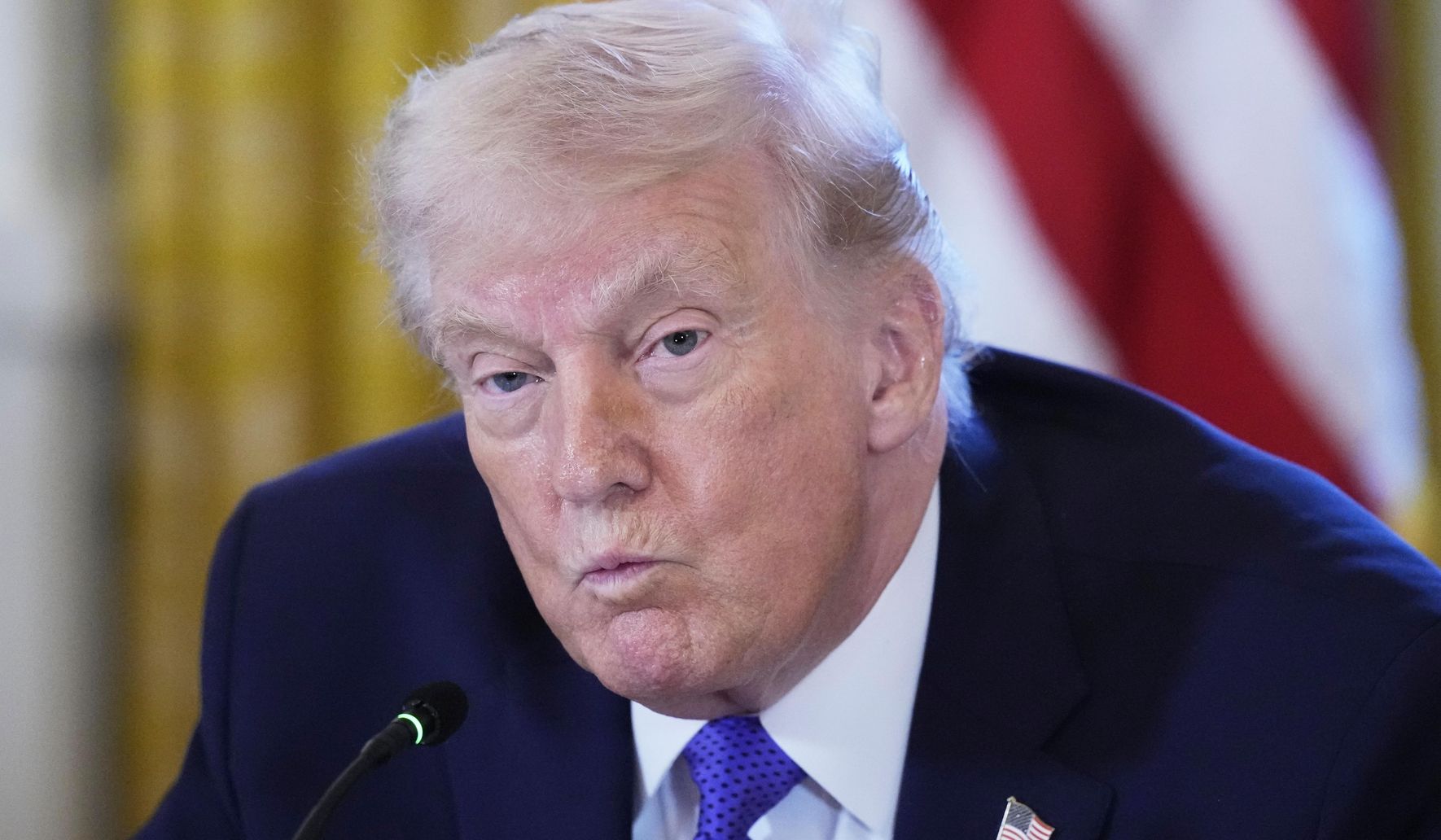
President Trump issued another Sunday warning to Cuba as Venezuela’s close ally faces possible unrest after the removal of Nicolas Maduro, signaling a tougher U.S. posture and concern about regional stability.
President Trump on Sunday fired off another warning to the government of Cuba as the close ally of Venezuela braces for potential widespread unrest after Nicolas Maduro was deposed. The message underlines a Republican demand for firmness when U.S. interests and regional order are at stake. Washington sees Cuba not as a neutral bystander but as an active supporter of Caracas, and the administration is signaling it will respond if Havana escalates its involvement.
Cuba’s long-standing military and intelligence ties with Venezuela have been a flashpoint for policymakers who worry about outside interference. Republican officials argue that those ties helped sustain Maduro’s grip and that removing him opens a window to press Havana to change course. The current approach mixes public warnings with private pressure, aiming to cut off the tools Havana used to support authoritarian rule in Caracas.
Trump’s message was short and forceful, reflecting a broader GOP view that the United States must use every lever available to deter hostile actors in the Western Hemisphere. That includes sanctions, diplomatic isolation, and targeted actions against personnel linked to repression. Republicans prefer clear, visible pressure over ambiguous signals, believing clarity reduces miscalculation and prevents crises from widening.
On the ground, Venezuelans and regional neighbors are watching for signs of wider unrest. Large population movements or violent clashes could trigger a humanitarian emergency that spills across borders, straining countries already managing limited resources. Republican officials will push regional partners to coordinate on security, migration controls, and humanitarian assistance while keeping pressure on those who backed the previous regime.
Economic levers remain central to the U.S. playbook. Sanctions aimed at the Venezuelan leadership and their supporters have been a consistent tool, and those measures can be expanded to target Cuban entities tied to Caracas. The aim is to raise the cost of interference without engaging in open conflict, though Republican leaders emphasize they will not hesitate to act decisively if American security or regional stability is threatened.
Intelligence assessments cited by policymakers point to a sizable Cuban presence in Venezuela’s security and military apparatus, which Republicans view as direct interference in another nation’s sovereignty. Those assessments, combined with Cuba’s historical footprint across Latin America, make the situation in Venezuela particularly sensitive. The U.S. strategy now focuses on disentangling those ties while supporting a transition that restores democratic governance.
Humanitarian channels are also part of the response, even as political pressure ramps up. The Republican view recognizes that political change must be accompanied by help for civilians who suffer most during instability. Coordinated aid, vetted through international and regional partners, aims to reduce chaos and undercut the conditions that extremist or criminal groups exploit.
Diplomacy remains active alongside the warnings and penalties. U.S. officials are pressing allies in the hemisphere to present a unified front, stressing that a mix of pressure and practical support offers the best chance to stabilize the situation. Republicans argue that a clear, consistent policy puts the U.S. in a stronger position to lock in gains and prevent a return to authoritarian control backed by foreign patrons.
The unfolding situation will test Washington’s ability to move quickly and smartly. Trump’s Sunday warning to Cuba is part of a larger Republican insistence on holding hostile states accountable and protecting U.S. influence in the Americas. How Havana responds could determine whether the crisis is contained or escalates into a broader regional confrontation.

