

Turkey will host a meeting next week with foreign ministers from several Muslim countries to assess the Gaza ceasefire and consider next steps. This article explains what the meeting means, the stakes for the region, likely Republican concerns, and the practical questions any durable ceasefire must answer. We walk through the diplomatic context, the risks that come with a second stage, and the balance between humanitarian needs and Israel’s security. The goal is a clear, direct look at why this matters now and what to watch for in the days ahead.
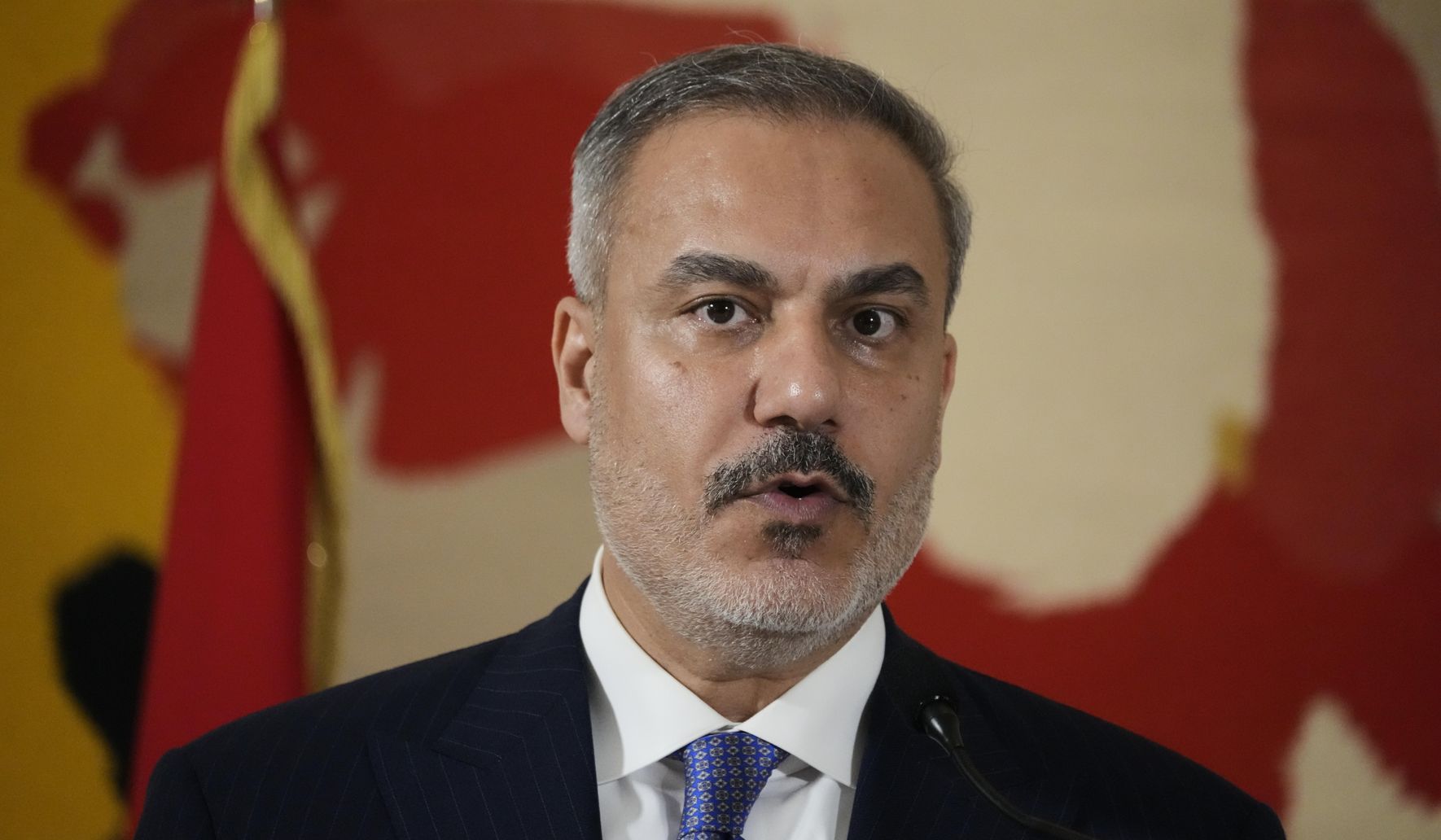
Turkey will host a meeting next week with the foreign ministers of some Muslim countries to discuss the state of the Gaza ceasefire and how to proceed to the second stage, Turkish Foreign Minister Hak
The meeting’s basic fact is simple: ministers will convene to review a ceasefire and talk about a “second stage.” For Republicans, the question is not whether diplomacy happens, but whether it supports lasting security for civilians and Israel’s right to self-defense. Any diplomatic push that sidelines those priorities risks prolonging the cycle of violence rather than ending it.
Diplomacy must answer hard political and military questions before a new phase moves forward. Who enforces disarmament of militant groups inside Gaza, and how will safe zones and border controls be verified? Without clear, credible mechanisms to prevent rearmament, a “second stage” can become a pause rather than a solution.
Humanitarian concerns rightly drive urgency: civilians need water, food, and medical care immediately. That urgency must be met without creating safe haven for terrorists or hampering legitimate defensive operations. Republicans stress that aid corridors and civilian protections should be accompanied by strict monitoring to prevent supplies from being diverted to militant groups.
Turkey’s role as convener will draw scrutiny from multiple angles. Ankara portrays itself as a regional mediator, but we must be candid about its political posture and relationships across the region. Diplomacy led by countries with clear partisan ties to one side requires strong transparency and independent verification to earn international trust.
A useful exercise for any responsible negotiator is to set measurable benchmarks for the “second stage.” Benchmarks should include verifiable demilitarization steps, timelines for prisoner exchanges if relevant, and international oversight of reconstruction aid. Vague promises and open-ended commitments rarely protect civilians or secure long-term peace.
Republicans will look for American clarity: we should back humanitarian relief while insisting that Israel retain the tools it needs to prevent future attacks. That means making aid conditional on transparent distribution and ensuring that security measures are not hollowed out by political deals. Support for humanitarian work must go hand in hand with a realistic security framework.
Regional dynamics complicate any plan. Different Muslim countries have different priorities, constituencies, and relationships with militant groups and Western powers. A “second stage” that satisfies one capital may alienate another, and those divisions can be exploited by spoilers. Negotiations must therefore be resilient to outside pressures and include enforceable consequences for violations.
Finally, accountability must be central. Any deal that moves beyond a ceasefire needs verification teams, clear reporting, and immediate consequences for breaches. Republicans favor practical, enforceable measures over symbolic statements. If the meeting in Turkey produces a real roadmap grounded in verification, it could help; if it produces only rhetoric, the region will likely return to conflict.

