

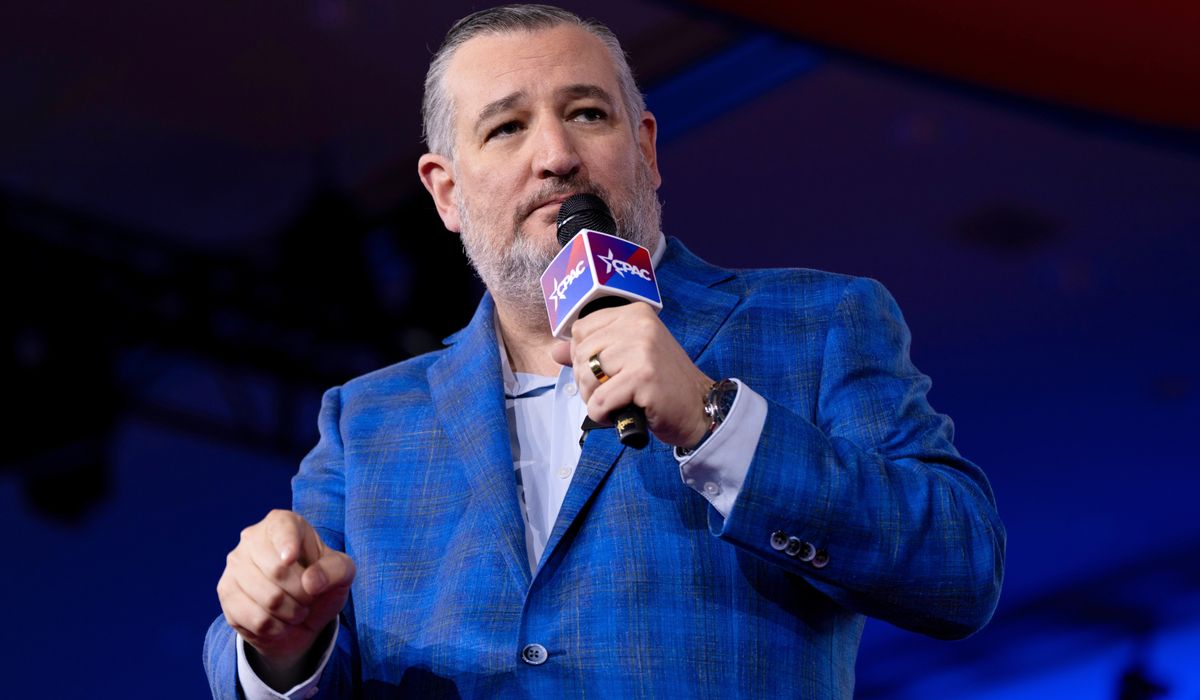
Two key senators involved in a long-simmering debate over fixing college sports will introduce a bipartisan bill designed to break a congressional logjam that would regulate payments to players, limit
Two key senators are taking a step aimed at clearing a stalled Congress so lawmakers can set consistent rules for college athletics. The proposal is bipartisan, which signals a willingness to find common ground on a messy mix of legal and economic issues. At its core, the move seeks clarity on how student-athletes can be paid while avoiding chaos for schools, conferences, and fans.
The debate has been simmering for years as state laws, court decisions, and market forces collided with long-standing NCAA rules. Suddenly, colleges face a patchwork of policies that let some athletes monetize their name while others see fewer options. That mismatch has left programs scrambling and student-athletes without uniform protections nationwide.
A federal bill aims to stop the arms race and give everyone a level playing field, but details matter. Conservatives want rules that protect the integrity of college sports and defend academic missions from being swallowed by pro-style buying and selling. At the same time, supporters say federal standards can prevent the richest programs from setting the only rules that matter.
Republican voices on the Hill emphasize two priorities: fairness and restraint. Fairness means preventing wealthy boosters and conferences from dominating recruitment with deep pockets, while restraint means avoiding heavy-handed federal micromanagement that stifles local control. The argument is that a targeted federal framework can reduce litigation and create predictable rules without wrecking the college model.
For student-athletes, predictability matters more than slogans. When rules shift state by state, athletes who transfer, graduate, or seek endorsements face uncertainty that affects both their education and earning potential. A single, sensible federal standard can protect their rights and preserve opportunities for those who don’t land at elite programs.
College presidents and athletic directors have been loud about the need for clarity, often arguing that the current tug-of-war hurts smaller schools most. Programs with limited budgets struggle to compete against conferences and institutions with massive media deals and booster networks. Lawmakers pushing this bill say it’s as much about protecting the broad ecosystem of college sports as it is about athletes themselves.
There are real legal questions packed into any federal solution, especially around antitrust law and the role of the NCAA. Conservatives want to see a framework that respects private organizations and state authority while preventing anti-competitive behavior. The goal is to balance a free market for endorsements with guardrails that stop the biggest players from buying a permanent competitive advantage.
Implementing a workable bill will be messy and political, but the alternative is continued chaos. Courts, state legislatures, and private suits will keep rewriting the rules if Congress stays sidelined. A bipartisan bill that focuses on clear limits and practical enforcement could bring stability back to a system fans still love.
That stability would benefit taxpayers too, who underwrite many public universities and expect fiscal responsibility from athletics departments. When rules are murky, budgets expand to chase competitive parity, and that pressure often lands on students and state coffers. A clear federal framework could help rein in excessive spending while protecting legitimate opportunities for athletes.
This debate is about preserving a uniquely American tradition while adapting to modern realities. Republicans supporting measured federal action argue that leadership in Washington can stop destructive bidding wars without erasing the character of college sports. The coming bill is a first attempt to turn gridlock into a workable, long-term solution that respects athletes, institutions, and fans alike.

