

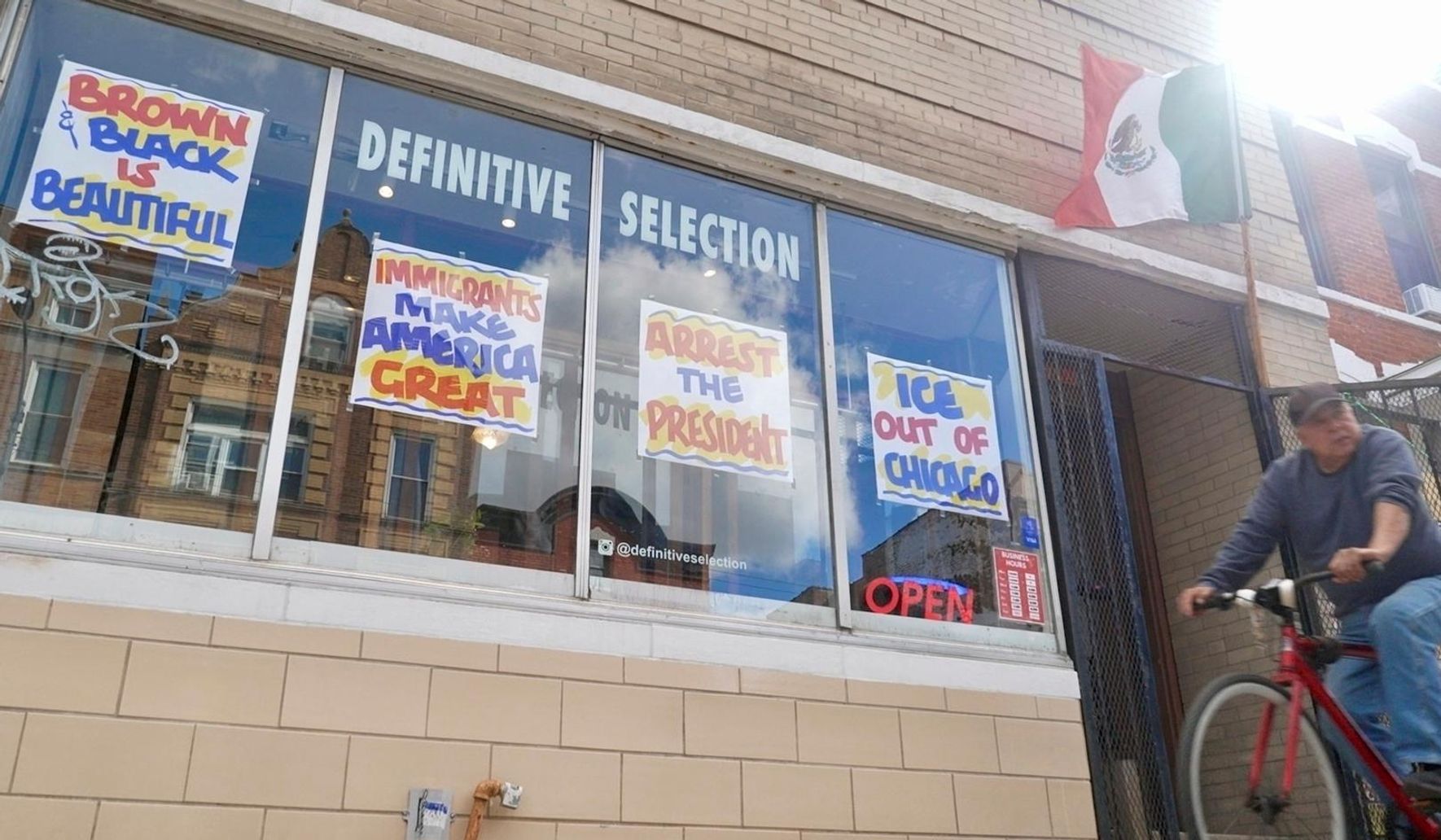
As the first year of President Donald Trump’s second term wraps up, two new Pew Research Center polls suggest Hispanic adults are growing more dissatisfied with his administration’s performance.
The polls show a shift in sentiment among Hispanic adults that Republicans should take seriously. This is not just about numbers on a page; it signals a need to understand why voters are pulling back and what the party must do to reconnect.
Republicans can read these results in two ways: as a warning sign or as an opportunity. If we treat it as a warning, the answer is straightforward—listen to real concerns, not just talking points, and respond with policies that improve everyday life.
One driver of frustration is pocketbook issues. Hispanic families, like others, notice rising costs, housing pressures, and the cost of education and healthcare, and they judge leaders by whether those pressures ease.
Another factor is perception on immigration and border security. Many Hispanic voters want orderly, fair rules that prioritize safety and opportunity, and they react sharply when rhetoric or enforcement feels chaotic or inconsistent.
Trump’s base values strong borders and strict immigration control, but that stance must be paired with compassionate messaging that speaks to family and faith. Political wins can disappear if outreach sounds like it ignores everyday struggles and cultural priorities.
On jobs and the economy, Republicans have a clear story: lower taxes, deregulation, and market-friendly policies boost hiring and small business growth. But translating high-level economic gains into visible improvements in neighborhoods and for working families requires focused programs and honest communication.
Conservative policies that expand school choice, support small business owners, and cut bureaucratic red tape speak directly to many Hispanic families. These are tangible offers that, when presented plainly, can rebuild trust faster than defensive explanations about polls.
Messaging matters as much as policy. Voters respond to clarity and respect more than spin or lectures. A straightforward Republican message about opportunity, public safety, and family values will reach more Hispanic voters than confrontational debates over labels.
Local leadership also plays a big role. National headlines move opinions, but community-level Republicans who show up at schools, churches, and small business meetings build credibility one conversation at a time. That ground game can blunt negative national trends.
Party leaders should also stop assuming monolithic loyalty and start treating Hispanic voters as a diverse electorate with varied priorities. Faith, the military, entrepreneurship, and tight-knit family ties resonate differently across communities, and policy must reflect that variety.
Polling swings are not destiny; they are a snapshot in time and a call to action. If Republicans respond by sharpening policy, improving outreach, and delivering results, these numbers can move back in our favor before the next cycle.
Finally, the tone of the conversation needs adjusting. Strong policy without condescension wins more votes than victory laps. Respectful, clear communication about how Republican ideas make life better will do more to change minds than attacks on pollsters or opponents.

