

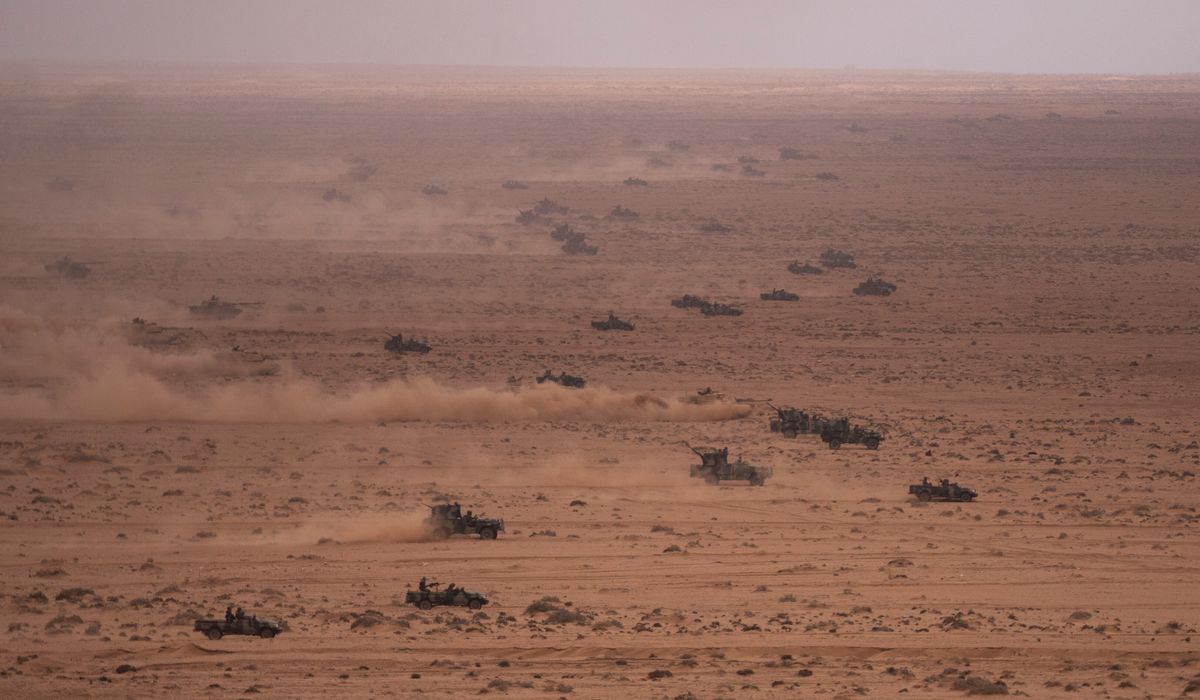
Two U.S. soldiers fell from a cliff near the Cap Draa Training Area outside Tan-Tan, Morocco, on May 2 while off duty, and a Moroccan military search team recovered the remains of one of the soldiers.
The incident happened during an off-duty recreational hike near the Cap Draa Training Area outside Tan-Tan, Morocco, on May 2. Local authorities and military responders were alerted after the soldiers failed to return from their hike. Details remain limited as investigations and notifications continue.
The terrain around Cap Draa is rugged and remote, with steep cliffs and unstable paths that can turn a short hike into a dangerous situation. Off-duty activities in training regions are common, but they carry risks that are often underestimated. Military units usually brief service members on hazards, yet accidents still occur when terrain and conditions are unforgiving.
Reports indicate a Moroccan military search team conducted the initial recovery operations and found the remains of one of the soldiers. Search-and-rescue efforts can be complicated by limited daylight, rough access, and the need for specialized equipment. Coordination between host-nation forces and U.S. personnel is critical in these scenarios to ensure timely recovery and investigation.
When service members are involved in accidents overseas, the Department of Defense follows established protocols for investigation and next-of-kin notification. These procedures aim to provide accurate information while respecting privacy and the needs of grieving families. Public updates are often limited until authorities have confirmed identities and cause of death.
Beyond the immediate human toll, incidents like this prompt inquiries into safety practices and off-duty risk management. Commanders review whether guidance given to personnel was adequate and whether additional precautions are necessary. Training areas often require clear boundaries and communication about safe recreational options to prevent similar tragedies.
Local search teams and military investigators typically document the scene, gather witness statements, and assess environmental factors that may have contributed. Weather, footwear, trail markings, and signage are all factors that investigators consider when reconstructing what happened. Findings can lead to changes in policy, increased signage, or restrictions on certain activities in hazardous zones.
Cooperation between U.S. forces and Moroccan authorities is standard in joint training and presence missions, and this cooperation includes emergency response and investigative support. Sharing resources and local expertise can speed recovery and help clarify circumstances. Such partnerships also underline the importance of clear communication about safe conduct off base.
Family members of service members hurt in overseas incidents typically receive support through military casualty assistance offices and counseling services. Units provide support networks to fellow service members and affected families during notification and recovery periods. These resources aim to manage logistics, provide guidance, and offer emotional support after a sudden loss.
Safety reminders for anyone visiting remote military training areas include staying on known paths, informing someone of expected return times, carrying communication devices, and avoiding risky terrain when conditions are uncertain. Even experienced hikers can be caught off guard by hidden hazards, especially near cliffs and steep drop-offs. Awareness, planning, and adherence to guidance can reduce the chance of accidents in challenging environments.

