

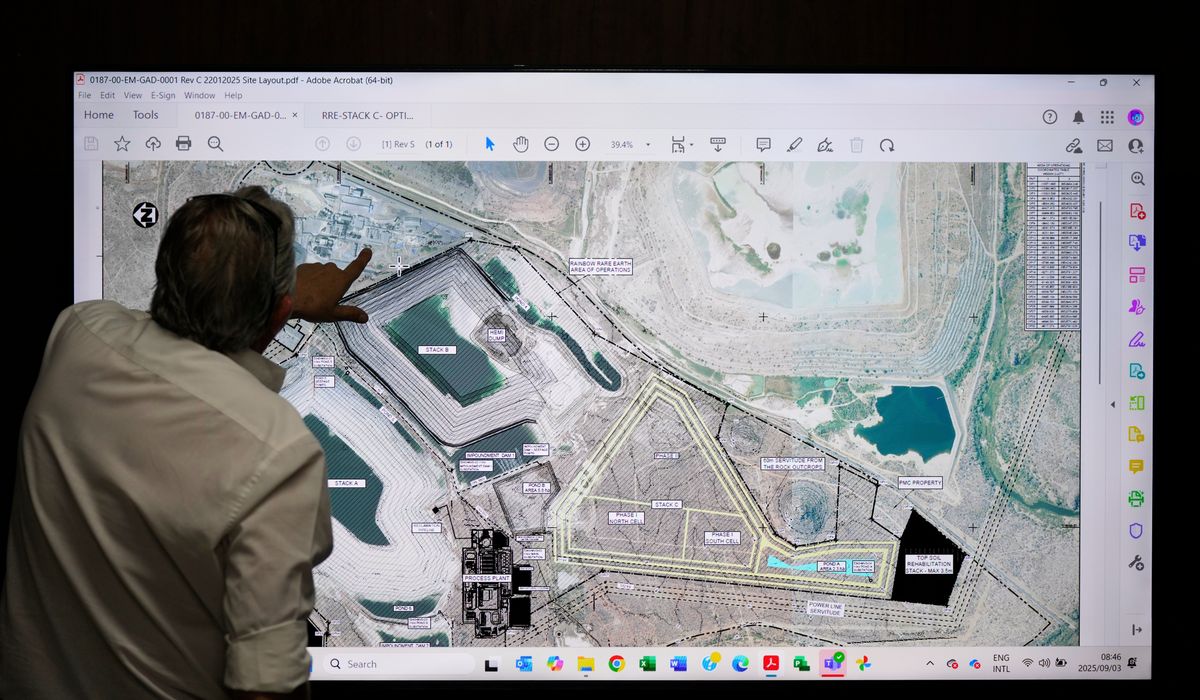
A proposed U.S.-backed investment in a South African rare-earth project is being treated as a practical point of cooperation even as Washington and Pretoria spar over Israel, refugee policy and other diplomatic tensions.
This investment idea has caught attention because rare earths are vital for modern defense, clean energy and advanced electronics, and the United States wants reliable supplies outside of China. Republicans see this as straight-forward national security work: secure supply chains, reduce dependence on strategic competitors, and partner with allies or like-minded states when it makes sense. At the same time, the arrangement tests how hard-nosed the U.S. will be about other policy disagreements with South Africa.
Rare-earth minerals are not a political abstract; they are a strategic asset that powers everything from jet engines to guidance systems and renewable infrastructure. Supporting a project in South Africa would be a practical move to diversify sources and build capacity in friendly or at least non-hostile countries. From a Republican view, strategic economic investments are part of a larger toolkit—trade, investment and leverage to protect American interests and to push back against hostile actors like China.
Washington’s posture is inevitably mixed when a partner nation takes positions that clash with American policies, including on Israel and migration. Republicans tend to argue that such disagreements should not automatically rule out cooperation that strengthens U.S. security. The case of rare earths illustrates that you can press political and human-rights concerns while still advancing clear, tangible U.S. strategic priorities.
There are practical steps that make this kind of cooperation smarter and safer. Any investment should include robust oversight, clear export controls, and enforceable terms that prevent Beijing from gaining easy access through third parties. Those safeguards protect American taxpayers and industry while keeping the strategic value of the project in U.S. hands or subject to allied governance standards.
Accountability also matters. If the U.S. invests public money or offers guarantees, the deal needs performance milestones, transparency on ownership and operations, and straightforward remedies when partners veer from agreed commitments. Republicans typically favor tough, measurable conditions rather than open-ended subsidies or vague promises, because that approach delivers results and minimizes political risk back home.
At the same time, it is important to understand the diplomatic leverage this investment provides. When the United States is in a stronger economic position relative to partners, it gains more room to press on issues like security cooperation and international norms. That leverage should be used deliberately: reward constructive policies, make clear consequences for hostile actions, and never allow strategic cooperation to be a blank check.
Finally, the rare-earth opportunity highlights a bigger lesson for U.S. foreign policy. Economic and strategic interests often intersect, and Republicans argue we should treat those intersections as tools, not contradictions. Partner selectively where it strengthens American security, insist on accountability, and use economic engagement to advance broader policy goals rather than to paper over serious disagreements.

