

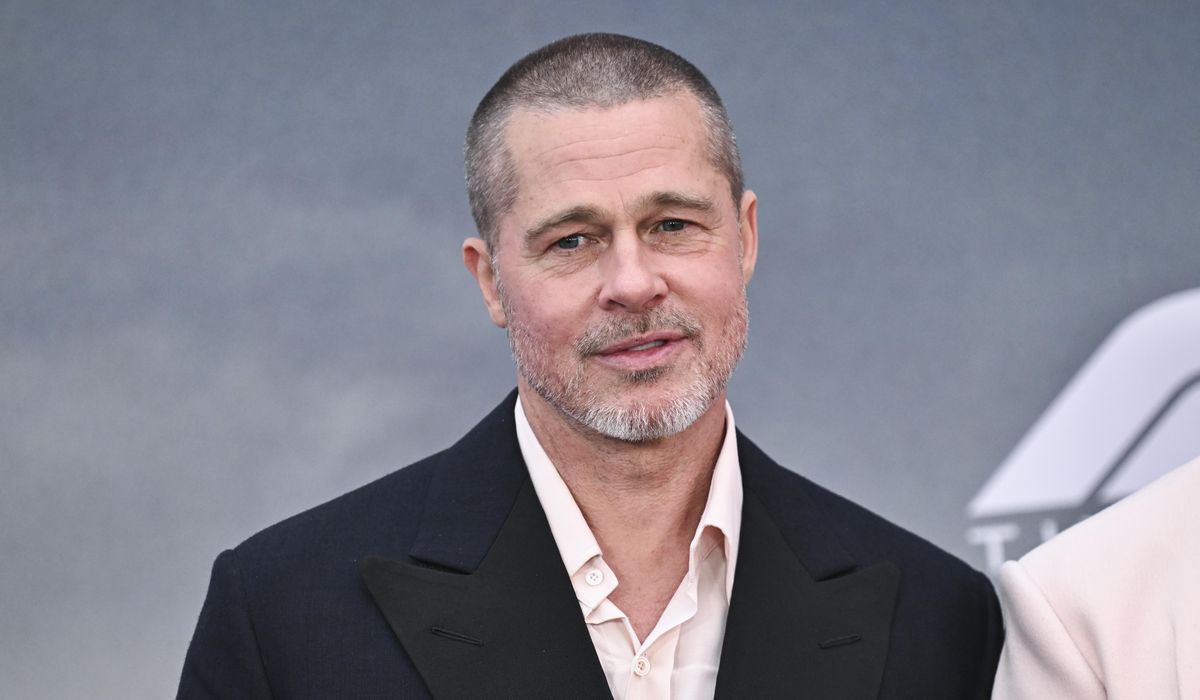
Brad Pitt has said he is no longer sober after seven years and offered a short, candid line about how he manages drinking while staying professional.
Brad Pitt’s recent comment that he is “no longer sober after seven years” landed with a blunt, personal tone that left little room for spin. He followed that by saying, exactly, “I can have a few. But I can’t have a lot. I have to be professional about it.” That line is short and specific, and it sets the frame for how he describes his relationship with alcohol now.
The remark underlines a shift from strict abstinence to a controlled approach, and it raises a few obvious questions about how public figures manage private choices. For someone as recognizable as Pitt, even a simple statement becomes a public moment. Fans, critics, and media outlets tend to read intention and consequence into every phrase, which complicates how a person can talk about personal change.
Pitt’s emphasis on being “professional” points to his consideration of work obligations and public appearances. Actors juggle long shooting schedules, publicity events, and the need to stay reliable on set. Saying he can’t have “a lot” suggests he’s aware of the boundaries that his career requires and is trying to communicate that balance.
Celebrity sobriety stories often become shorthand for larger cultural conversations about addiction, recovery, and personal responsibility. When a high-profile actor shifts the language he uses, it changes how people talk about those topics. Some will see his move as pragmatic and honest, while others may see it as risky or backsliding; both reactions reflect broader beliefs about recovery.
There’s also a practical side to this kind of statement: public figures frequently calibrate how much they reveal to protect relationships and reputation. A clear, concise quote like his gives a snapshot without oversharing. At the same time, it invites interpretation, because people want to know what “a few” means and how long that approach will last.
Beyond the headline, the real test for any public figure is consistency — how words match actions over time. Colleagues, collaborators, and the industry watch patterns more than single lines. If Pitt maintains a steady, professional presence in the years ahead, that will shape how this moment is remembered.
Conversations around drinking and recovery are rarely just about the person speaking; they ripple into conversations about support systems and resources. Some fans will look to this moment for lessons or cautionary notes, and others will treat it as a private decision that has public consequences. Either way, the exchange adds another layer to the ongoing cultural conversation about substance use and accountability.
For the public, there’s a tension between curiosity and respect for privacy: we want clarity from people we admire, but we also benefit from letting them manage their own lives. Pitt’s line is lean, offering both information and distance. It keeps the narrative tight enough to be reported accurately while leaving room for interpretation.
Ultimately, this kind of candid remark from a well-known actor stands as a reminder that personal change doesn’t always follow neat narratives. People shift approaches, test boundaries, and make adjustments based on what their lives demand. Whatever the next chapter brings, that brief, exact quote will remain the clear, public snapshot of how Brad Pitt described his position at this particular moment.

