

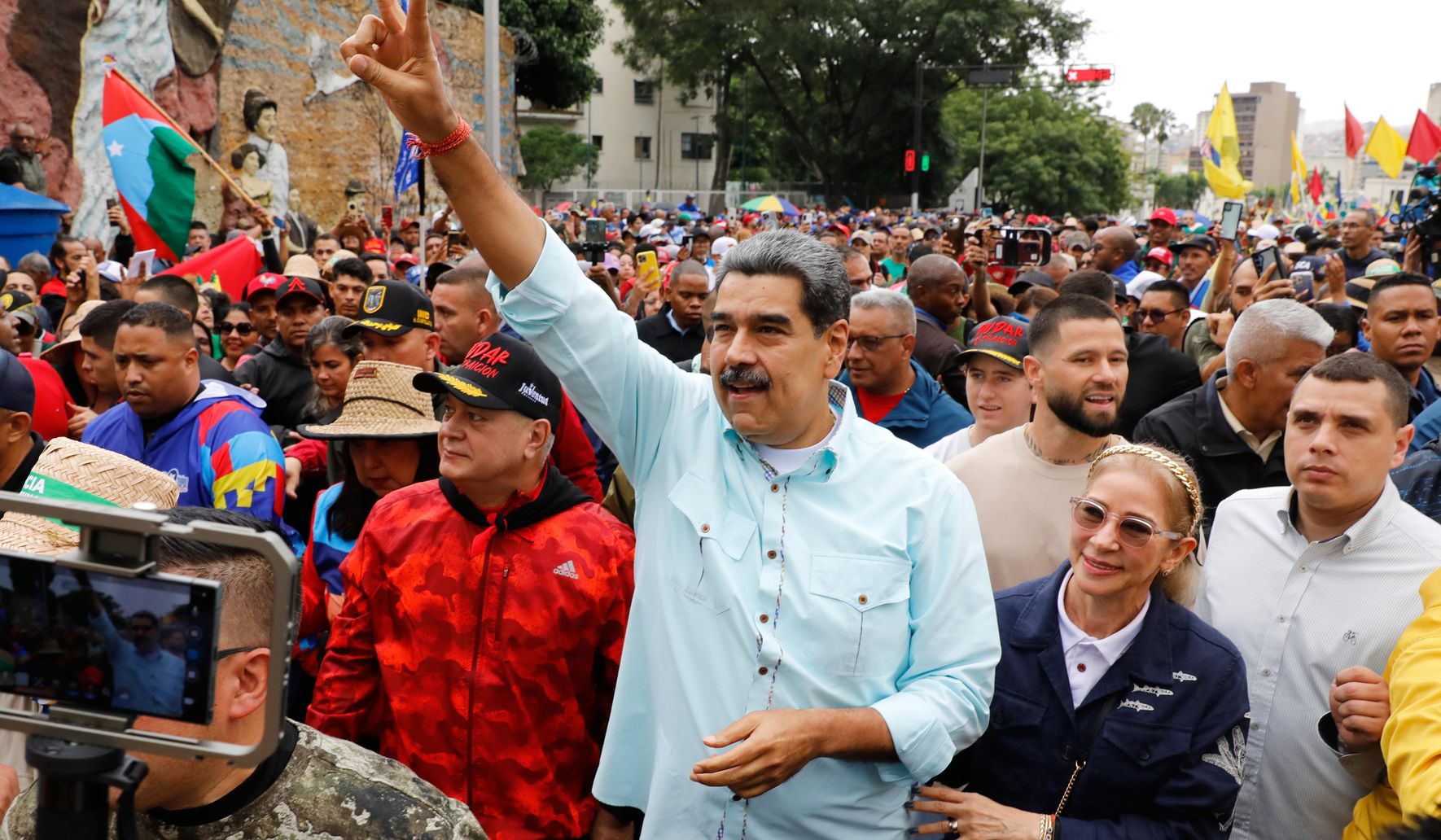
U.S. forces intercepted another vessel off the coast of Venezuela as President Trump ratchets up pressure on President Nicolas Maduro, reinforcing U.S. enforcement actions and signaling tougher posture toward the Maduro regime.
The latest interdiction came as part of a broader push to hold the Maduro government accountable and to disrupt activities that undermine regional stability. U.S. forces stopped another vessel off the coast of Venezuela as President Trump ramps up pressure on Venezuelan President Nicolas Maduro. That short, blunt fact frames a larger effort to use American maritime power where diplomacy and sanctions have met resistance.
The operation shows a willingness to act where international rules and U.S. policy intersect, especially when democratic backsliding and illicit activity are involved. From a Republican perspective, firmness at sea reflects sound national security policy and deterrence in practice. It is also a signal to allies and adversaries that American commitments will be backed by capability and resolve.
This type of action sits alongside economic measures and diplomatic moves designed to squeeze corrupt networks and prevent illicit shipments from sustaining an authoritarian regime. The administration’s approach puts enforcement ahead of empty rhetoric, prioritizing tangible results. That mix of pressure is meant to create real incentives for political change in Caracas.
Stopping a vessel near Venezuela is not just a one-off patrol detail; it’s a message about control of strategic waterways and the enforcement of international norms. Republican thinking favors asserting control where legal grounds exist and where threats to U.S. interests arise. Maintaining freedom of navigation and choking off illicit flows go hand in hand.
At the same time, the move is calibrated to avoid needless escalation while denying Maduro the benefits of smuggling and illicit commerce. The goal is to disrupt the regime’s networks rather than provoke a wider conflict. That restraint aligns with a conservative preference for measured, effective use of military assets.
Domestically, this enforcement speaks to voters who want leaders to act decisively against threats and corruption abroad. Republicans argue that weak responses invite further aggression and that clear enforcement of policy preserves American credibility. Actions at sea make the consequences of illicit behavior visible and immediate.
Regionally, partners are watching to see if Washington will back its words with action, and how sustained pressure might change calculations in Caracas. This is the kind of leadership that reassures friendly governments and deters hostile actors. Strong, targeted measures can amplify diplomatic levers and isolate bad actors without large-scale occupation or nation building.
Humanitarian concerns are part of the calculus, too, because disorder and illicit economies often worsen suffering for ordinary Venezuelans. Republicans emphasize that pressure on a corrupt regime is also pressure in support of citizens seeking restored freedoms and economic recovery. Enforcements at sea are one piece of a broader strategy to create space for positive change on the ground.
The announcement and the interception underline the administration’s focus on practical results over mere statements. Effective policy combines legal authority, intelligence, and operational capability to make enforcement credible. That credibility is essential if the U.S. intends to shape outcomes without sacrificing security.
Military operations like these rely on clear rules of engagement and coordination with international partners when possible. Republican viewpoints favor strong interagency cooperation and robust oversight to ensure missions align with national objectives. That discipline helps prevent mission creep while keeping pressure where it counts.
Public messaging around the interception will shape perceptions, domestically and abroad, about American seriousness and strategic intent. Republicans want those messages to be plain and unambiguous: violating sanctions and enabling oppression will have consequences. Demonstrations of willpower at sea are concrete proof that words will be backed by action.
Ultimately, stopping another vessel off Venezuela’s coast under President Trump’s watch reinforces a posture of accountability and deterrence toward the Maduro government. It underscores the administration’s judgment that pressure, when applied consistently and lawfully, can help change bad behavior. For those who value firm, results-oriented leadership, such enforcement is both necessary and welcome.

