

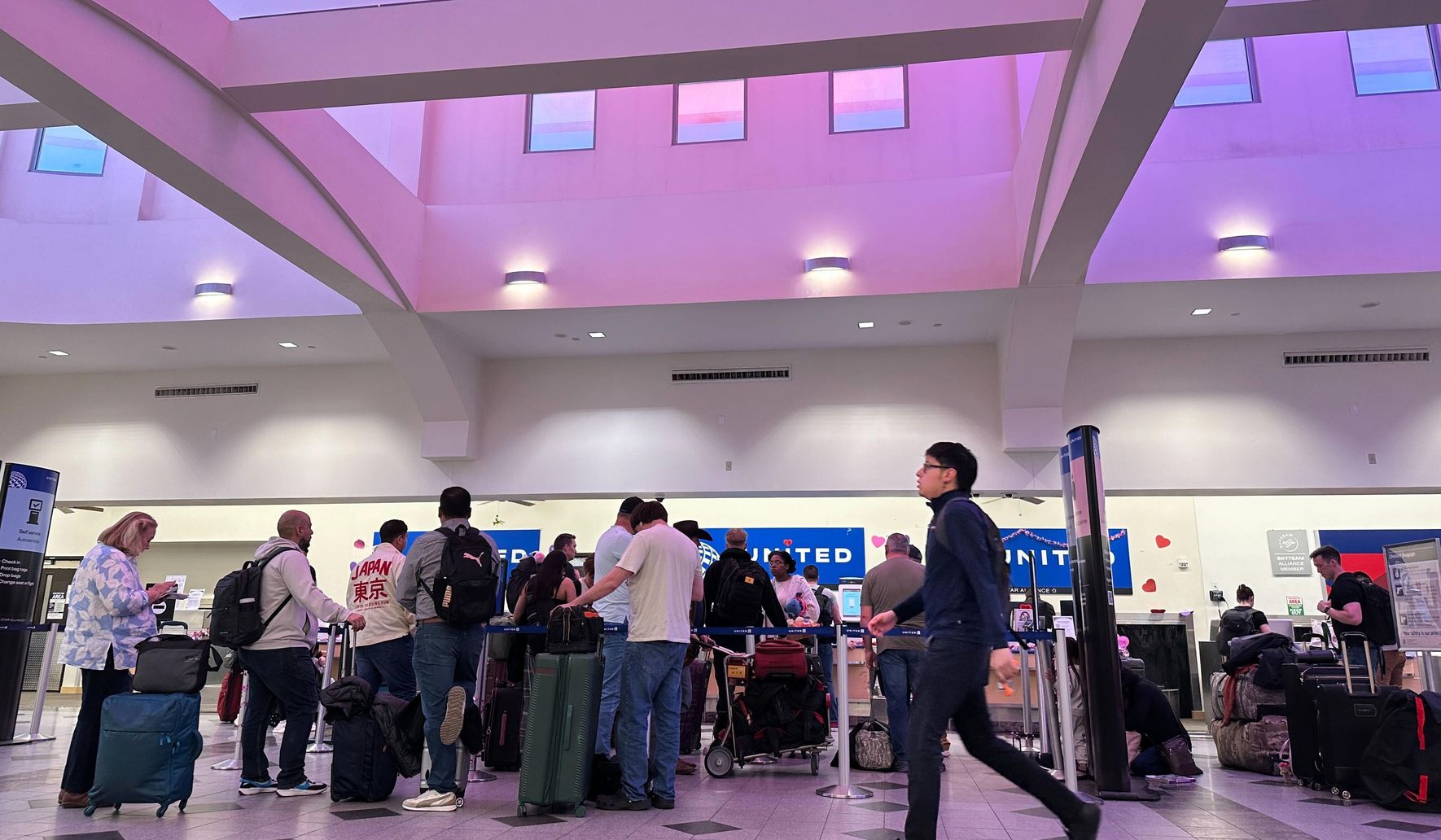
The U.S. military used a laser on Thursday to shoot down a Customs and Border Protection drone, members of Congress said, and the Federal Aviation Administration reacted by closing additional airspace, grounding flights and sparking sharp questions about coordination, oversight and the impact on civil aviation.
Members of Congress say the military deployed a laser Thursday that destroyed a drone operated by Customs and Border Protection, touching off immediate disruption to nearby flight operations. The Federal Aviation Administration moved to close more airspace in response, a step that stalled scheduled flights and added confusion for airlines and travelers. Officials have offered limited details publicly, leaving lawmakers and local leaders demanding clearer explanations.
The FAA’s decision to restrict airspace is standard procedure when an airborne hazard is suspected, but the scope and timing of the closures surprised many regional operators. Airlines faced cancellations and diversions while airports scrambled to reroute arrivals and departures, creating cascading delays. Passenger complaints and operational headaches mounted as the situation unfolded without a full public timeline of events.
Republican members of Congress pushed quickly for answers, framing the incident as both an operational breakdown and a question of accountability. They said the military and civilian agencies should have clearer protocols so a federal asset and a Department of Homeland Security vehicle are not operating at cross-purposes. For lawmakers focused on border security, the episode raised hard questions about who has authority in contested airspaces and how to avoid future interruptions to mission-critical surveillance.
Customs and Border Protection relies on aerial drones to monitor remote stretches of the border, track illegal crossings and support interdiction efforts, so taking one out of commission has immediate operational consequences. Republicans argue that degrading CBP capabilities, even temporarily, hands an opening to smugglers and traffickers who exploit gaps in surveillance. At the same time, they acknowledge that the safety of civilian air traffic must remain a top priority, underscoring the need for better interagency planning.
Lasers and directed-energy systems are increasingly part of military toolkits for countering unmanned aircraft, and their use near civilian flight paths demands strict controls. Military planners must coordinate with the FAA and local air-traffic managers to ensure any defensive action does not endanger commercial or general aviation. The optics of a military engagement against a domestic law-enforcement drone are politically charged, and Republicans insist transparency is essential to maintain public trust.
Beyond immediate disruption, the episode exposes gaps in notification procedures and the legal framework that governs joint operations over U.S. soil. Republican officials called for classified and unclassified briefings so members of Congress can assess whether rules of engagement and interagency agreements were followed. They want clear lines of command so that decisions with civilian impacts are traceable and accountable to elected leaders and the public.
Local leaders and airport managers are pressing regulators for detailed after-action reports to understand how the FAA determined the need for expanded closures and what data triggered that judgment. Military officials, meanwhile, have signaled they will review the engagement to make sure future operations limit collateral effects on the flying public. Lawmakers say those reviews should be swift, thorough and shared with Congress to prevent repeats and to restore confidence in both border security missions and aviation safety systems.

