

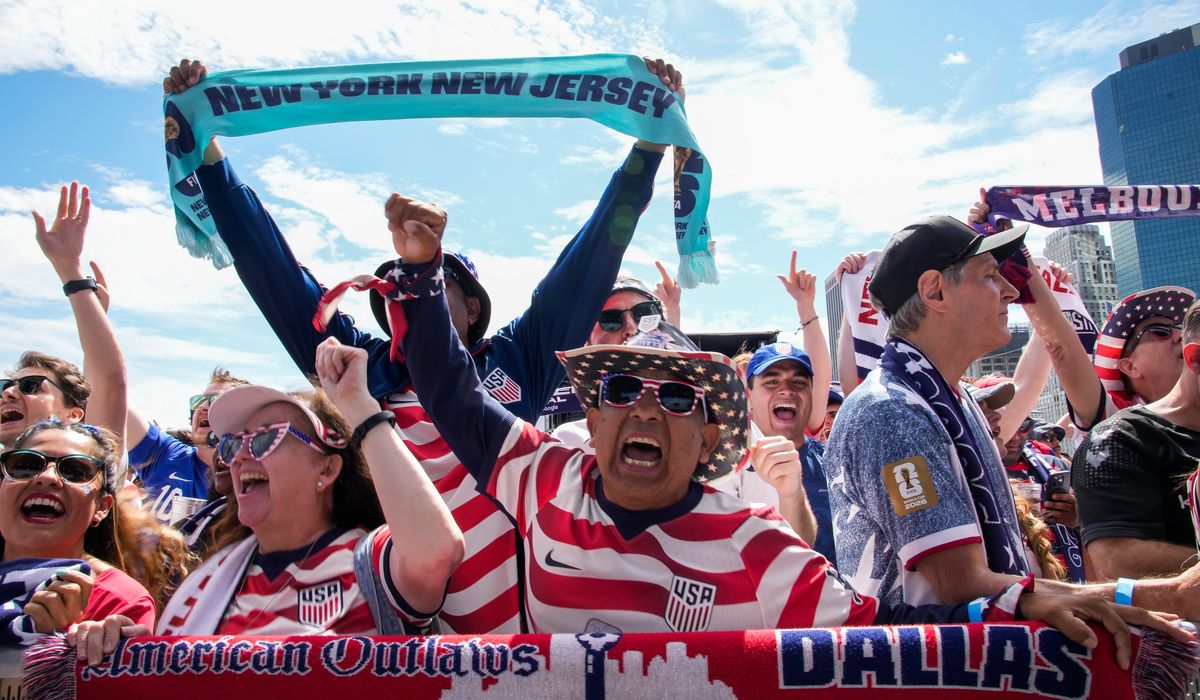
Uber plans to run shuttle services for fans traveling to World Cup matches in several U.S. host cities, aiming to ease stadium access and connect key neighborhoods during the tournament.
During the 2026 World Cup that kicks off on June 11, Uber will be offering shuttles from games in the Boston, Dallas, Miami and New York City areas. The move puts a familiar mobility brand into a role more like event transit than a standard ride-hail option. For fans who want a simpler way to get to and from matches, a dedicated shuttle network can reduce uncertainty and the hassle of finding parking.
The shuttle effort is designed to link stadiums with major transit hubs and fan zones so people can travel in groups rather than rely on single-driver trips. That can help stadiums manage traffic flow and make arrivals and departures smoother on match days. Organizers and local authorities often welcome predictable, scheduled services that reduce roadside congestion around venues.
Riders should expect a mix of benefits and trade-offs compared with regular ride-hailing: shuttles can be cheaper per rider but might run on a fixed schedule or route. They also tend to favor high-demand corridors rather than door-to-door pickups, so planning ahead matters. Fans who need last-mile service or flexible drop-offs may still use other Uber products or local taxis.
Accessibility and crowd control are clear considerations for any large-event transit plan, and shuttles usually have to meet local rules for staging, pickup zones, and ADA compliance. For people with mobility needs, it’s important to confirm vehicle accessibility and any reservation requirements before game day. Stadium security lines and local ordinances can affect where shuttles load and unload, so patience and a little pre-event research go a long way.
Payment and app integration are a likely convenience: many shuttle programs are coordinated through existing mobility apps to keep booking familiar and to provide live updates. That makes it easier to see arrival estimates and manage group tickets in one place. Still, fans should budget extra time for arrivals and departures since queues and thorough security checks can add minutes that aren’t obvious on a map.
Hosting multiple matches across cities increases demand spikes, so shuttle availability will probably be busiest just before and immediately after games. Traveling fans should consider earlier departures or later returns to avoid the heaviest crowds. For groups heading to the same match, booking a shuttle together can simplify logistics and cut overall costs compared with separate ride-hailing trips.
Local transit agencies and event planners often coordinate with private mobility providers to keep service running smoothly, and good communication helps everyone. Fans should watch official stadium communications for designated pickup points and any recommended arrival windows. With a bit of planning, shuttle services can be a practical way to focus on the match instead of parking headaches or long walks from distant lots.

